Shopping Cart
CloseNo products in the cart.
Filter
close
How to Prevent and Reduce Acid Reflux Pain: Comprehensive Guide
Author: ItHurts.com
A Comprehensive Talk on Beating Acid Reflux Pain
Understanding the Basics:
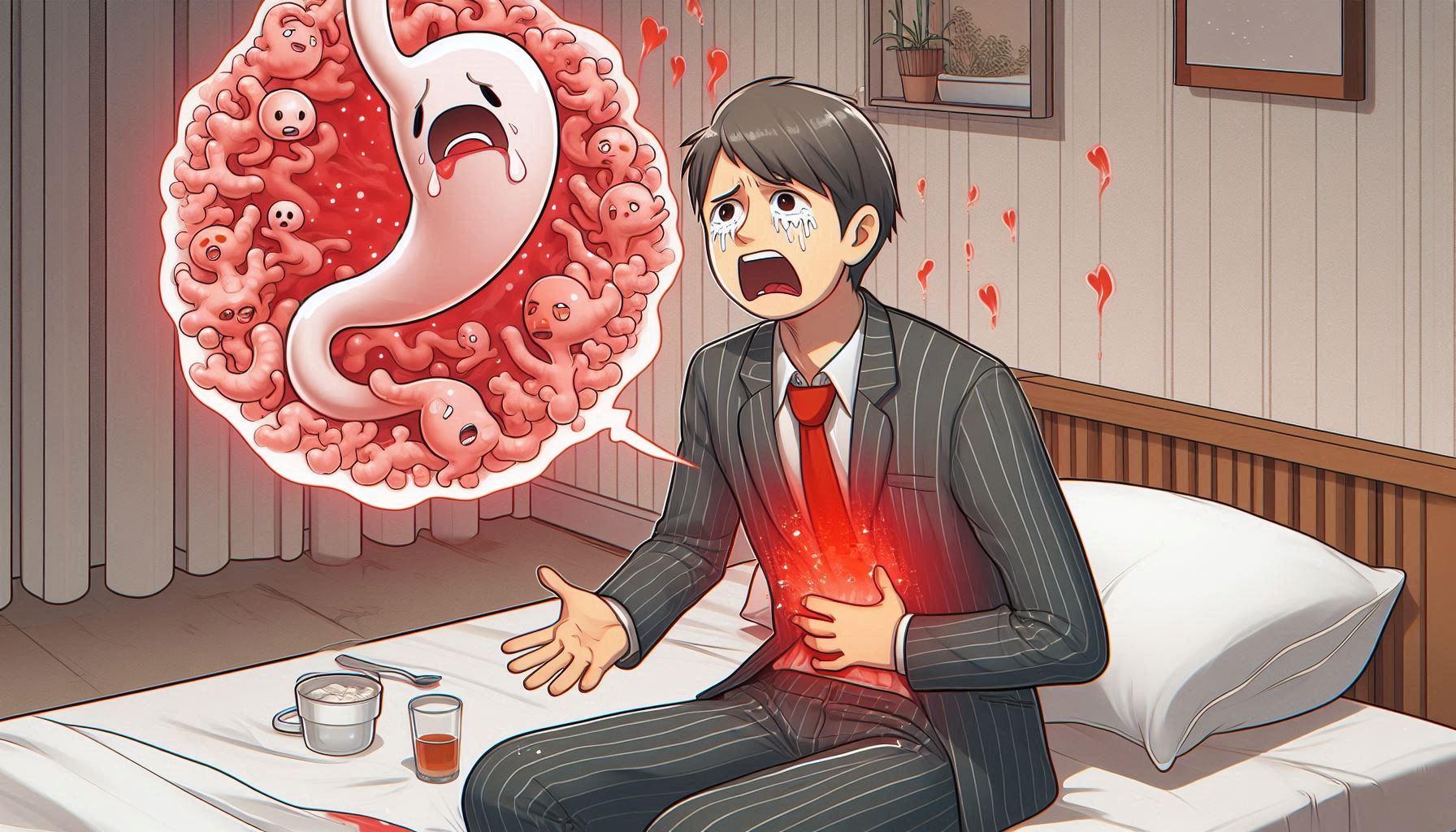
Acid reflux, also known as gastroesophageal reflux disease (GERD) when chronic, is a condition that affects millions worldwide. Characterized by a burning sensation in the chest, it can significantly impact one’s quality of life. This guide will delve into acid reflux pain in detail, exploring its causes, presentations, treatments, and preventive measures.
Description of Acid Reflux Pain
Acid reflux pain can manifest in various forms, often depending on the severity of the condition. Below are its key characteristics:
– Heartburn: A burning sensation in the chest, typically behind the breastbone, often worsened by lying down or bending over.
– Regurgitation: The sensation of stomach acid or undigested food rising into the throat or mouth.
– Chest Pain: Sharp or squeezing pain, sometimes mistaken for heart-related issues.
– Throat Pain: Soreness, irritation, or a lump-like sensation in the throat.
– Abdominal Discomfort: Pain or bloating in the upper abdomen.
The intensity can range from mild discomfort to severe pain disrupting daily life, with the location typically centered around the chest, throat, or upper abdomen
Causes of Acid Reflux Pain
The primary cause of acid reflux is the backflow of stomach acid into the esophagus, which can be triggered by:
– Dietary Choices: Fatty, spicy, or acidic foods, caffeine, and alcohol.
– Lifestyle Factors: Smoking, overeating, or lying down soon after meals.
– Obesity: Increased abdominal pressure can push stomach contents upward.
– Hiatal Hernia: A condition where part of the stomach moves above the diaphragm, weakening the esophageal sphincter.
– Medications: Certain drugs, such as NSAIDs or blood pressure medications, can relax the lower esophageal sphincter (LES).
Underlying Reasons for Acid Reflux Pain
Physiological Factors
- Weak Lower Esophageal Sphincter (LES): The LES acts as a barrier to prevent stomach acid from moving into the esophagus. When weakened, acid reflux occurs.
- Excess Stomach Acid: Overproduction of stomach acid can exacerbate the condition.
- Delayed Gastric Emptying: Slow digestion increases the risk of acid moving upward.
Anatomical Factors
- Esophageal Sensitivity: Chronic exposure to acid can inflame the esophageal lining, making it more sensitive to pain.
- Hiatal Hernia: Alters the position and pressure dynamics of the stomach and esophagus.
Presentation of Acid Reflux Pain
Acid reflux pain typically presents itself after meals, especially large or fatty ones, or when lying down. Common symptoms include:
– Burning pain in the chest or throat.
– Sour or bitter taste in the mouth.
– Discomfort that worsens after eating or during the night.
– Chronic cough, hoarseness, or a sensation of a lump in the throat.
Symptoms often overlap with other conditions, necessitating medical consultation for an accurate diagnosis.
Treatment and Relief for Existing Pain
Relief strategies for acid reflux range from lifestyle adjustments to medical treatments. Below are effective approaches:
Lifestyle Adjustments
– Avoid Trigger Foods: Identify and eliminate foods that worsen symptoms.
– Eat Smaller Meals: Reduces pressure on the LES.
– Elevate the Head of Your Bed: Sleeping on an incline prevents acid from traveling upward.
– Quit Smoking: Smoking weakens the LES and increases acid production.
– Wear Loose Clothing: Tight garments around the waist can exacerbate symptoms.
Home Remedies
– Baking Soda Solution: A teaspoon of baking soda in water can neutralize stomach acid temporarily.
– Ginger Tea: Known for its anti-inflammatory properties.
– Chamomile Tea: Soothes the digestive tract.
Medical Treatments
– Antacids: Provide quick, short-term relief by neutralizing acid.
– H2 Blockers: Reduce acid production (e.g., ranitidine, famotidine).
– Proton Pump Inhibitors (PPIs): Long-term acid suppression (e.g., omeprazole, esomeprazole).
– Surgery: In severe cases, procedures like fundoplication may be recommended.
Actionable Steps for Preventing Acid Reflux Pain
Dietary Changes
- Adopt a GERD-Friendly Diet: Focus on lean proteins, whole grains, and non-citrus fruits.
- Limit Trigger Foods: Reduce intake of caffeine, alcohol, chocolate, and fried foods.
- Avoid Late-Night Eating: Finish meals at least three hours before bedtime.
Lifestyle Modifications
- Maintain a Healthy Weight: Reduces abdominal pressure.
- Practice Good Posture: Sitting upright during and after meals prevents acid reflux.
- Stress Management: Techniques like yoga, meditation, and deep breathing can reduce stress-related reflux.
Ergonomic Adjustments
– Use an Adjustable Bed Frame: Elevating the upper body during sleep minimizes acid reflux.
– Choose the Right Pillow: Special wedge pillows for acid reflux can help.
Regular Exercise
– Incorporate low-impact activities like walking, swimming, or cycling, as they support digestion without straining the abdomen.
Scientific Research on Acid Reflux Pain
– A 2018 study in *JAMA Internal Medicine* highlighted that **PPIs** significantly reduce acid reflux symptoms but should be used under medical supervision due to potential long-term risks like kidney issues.[1]
– Research published in *The American Journal of Gastroenterology* suggests that **dietary modifications**, such as the Mediterranean diet, can reduce acid reflux symptoms as effectively as medication.[2]
– Studies have also shown the importance of **weight management**, as even modest weight loss can improve GERD symptoms significantly.[3]

Conclusion
Acid reflux pain, while uncomfortable, is manageable and preventable with the right strategies. Key takeaways include:
– Understanding the triggers and physiological causes of acid reflux is crucial.
– Relief can be found through dietary adjustments, lifestyle changes, and medical treatments.
– Preventing acid reflux pain involves proactive measures, such as weight management, posture improvement, and ergonomic adjustments.
By implementing these strategies, you can take control of acid reflux, ensuring it doesn’t disrupt your quality of life. If symptoms persist, consult a healthcare professional for a tailored treatment plan.
ItHurts.com is your ally in your endeavor to live pain-free. We offer guidance, resources, and community support to address chronic pain, emotional stress, and physical discomfort. Discover insightful articles, product reviews, recommendations and shared experiences to empower your journey to better health. Remember, if it hurts, we can help!
**Reference**
- Katz, P. O., Gerson, L. B., & Vela, M. F. (2018). Guidelines for the Diagnosis and Management of Gastroesophageal Reflux Disease. *JAMA Internal Medicine.*
- Zalvan, C. H., et al. (2017). Comparison of a Plant-Based Diet and PPI Therapy for Laryngopharyngeal Reflux. *The American Journal of Gastroenterology.*
- El-Serag, H. B., et al. (2014). Obesity and Risk of Gastroesophageal Reflux Disease and Its Complications. *The American Journal of Gastroenterology.*
Take charge of your health today and minimize the discomfort of acid reflux. Small changes can lead to significant relief, helping you live a more comfortable and fulfilling life.
Related Products
No posts found!
Related Blogs
No posts found!