Shopping Cart
CloseNo products in the cart.
Filter
close
Battling the Ache: Understanding and Recovering from Degenerative and Inflammatory Joint Diseases
Author: ItHurts.com
A Comprehensive Talk on Beating Joint Diseases
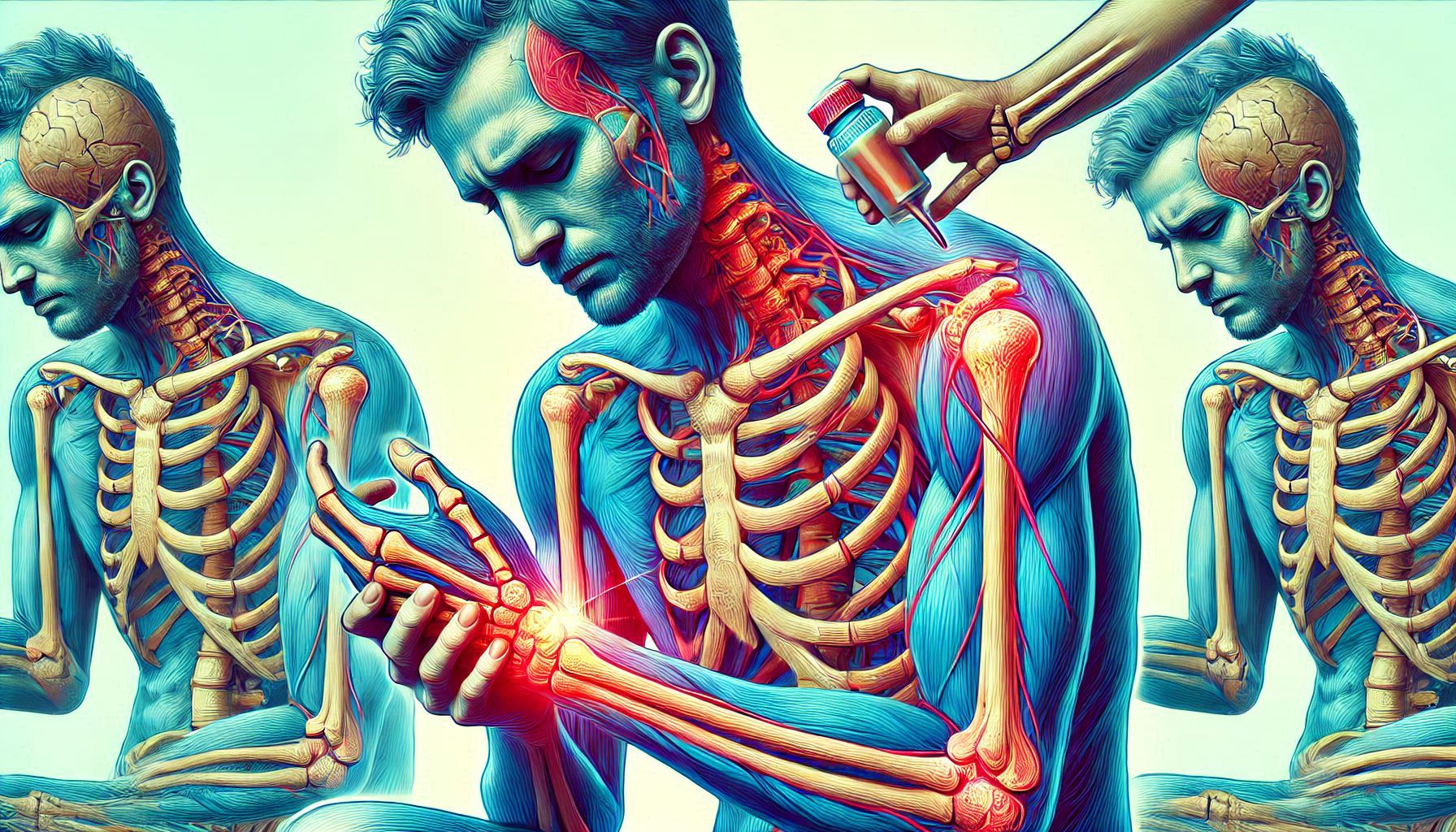
Understanding the Basics:
Joint pain affects millions of people worldwide, making even the simplest tasks feel insurmountable. For many, this pain stems from degenerative or inflammatory joint diseases, which wear down cartilage, inflame tissues, and reduce mobility. Conditions like osteoarthritis, rheumatoid arthritis, and gout are more than medical terms—they are daily battles that require a nuanced understanding and tailored recovery strategies.
The Basics: Degenerative vs. Inflammatory Joint Diseases
Inflammatory Joint Diseases :
Inflammatory joint diseases involve autoimmune or systemic inflammation, leading to joint pain, swelling, and tissue damage. Rheumatoid arthritis (RA), psoriatic arthritis, and gout fall into this category.
– Common Causes:
– Autoimmune responses
– Genetic predisposition
– Environmental triggers (e.g., infections or smoking)
– Symptoms:
– Persistent joint inflammation
– Redness, warmth, and swelling in joints
– Morning stiffness lasting longer than 30 minutes
– Fatigue and systemic symptoms, such as fever
- Degenerative Joint Diseases:
Degenerative joint diseases, such as osteoarthritis (OA), result from the wear-and-tear of cartilage over time. Cartilage cushions the ends of bones in a joint, allowing smooth, pain-free movement. When it deteriorates, bones rub against each other, causing pain, stiffness, and swelling.
– Common Causes:
– Aging
– Joint overuse or repetitive stress
– Obesity (adds extra pressure on joints)
– Genetic predisposition
– Symptoms:
– Gradual onset of joint pain
– Stiffness, especially in the morning or after inactivity
– Limited range of motion
– Bone spurs
Diagnosis: How to Identify Joint Diseases
Accurate diagnosis is critical for effective treatment. Medical professionals may use:
- Physical Examination: Identifying swelling, tenderness, and range of motion limitations.
- Imaging Tests: X-rays, MRI, or CT scans to assess joint damage or inflammation.
- Blood Tests: Detecting markers like rheumatoid factor (RF) or uric acid levels.
- Synovial Fluid Analysis: Analyzing joint fluid for signs of inflammation or infection.
Treatment Options for Joint Diseases
- Conservative Management
- Physical Therapy:
– Exercises to strengthen muscles around joints, improve flexibility, and reduce stiffness.
– Techniques like hydrotherapy (water exercises) are especially effective.
- Medications:
– For Degenerative Diseases:
– Acetaminophen or NSAIDs (ibuprofen, naproxen) for pain relief.
– Corticosteroid injections for severe pain.
– For Inflammatory Diseases:
– Disease-modifying antirheumatic drugs (DMARDs), such as methotrexate.
– Biologic agents like TNF inhibitors.
– Colchicine for gout.
- Weight Management:
– Losing even a small amount of weight can significantly reduce joint strain, especially in weight-bearing joints like hips and knees.
- Assistive Devices:
– Braces, canes, or orthotics to support joints and reduce pain during movement.
Surgical Options
When conservative methods fail, surgery may be necessary:
– Arthroscopy: Minimally invasive procedure to repair joint damage.
– Joint Replacement: For severe cases, such as advanced osteoarthritis, replacing damaged joints with prosthetics (e.g., hip or knee replacement) restores mobility.
– Fusion Surgery: In cases of severe inflammatory arthritis, fusing bones together may alleviate pain.
Lifestyle Adjustments for Recovery
- Nutrition: Healing from Within
A well-balanced diet can play a significant role in managing joint diseases.
- Anti-Inflammatory Foods:
– Omega-3-rich fish (salmon, mackerel)
– Fruits and vegetables high in antioxidants (berries, spinach)
– Nuts and seeds (walnuts, flaxseeds)
- Foods to Avoid:
– Processed foods high in sugar and trans fats
– Excessive alcohol and red meats (especially for gout patients)
- Supplements:
– Glucosamine and chondroitin may support cartilage health.
– Vitamin D and calcium for bone strength.
2. Stay Active (But Gently!)
Low-impact exercises help maintain joint flexibility without adding stress.
– Recommended activities: swimming, yoga, and tai chi.
– Avoid high-impact sports like running or jumping, which may worsen joint damage.
3. Manage Stress
Chronic stress can exacerbate inflammation, especially in autoimmune diseases. Techniques such as mindfulness meditation, deep breathing, and regular sleep routines are helpful
Recovery and Long-Term Management
Recovery from joint diseases is not linear. It requires ongoing commitment to managing symptoms and maintaining joint health.
- Monitor Progress:
– Keep a pain diary to track triggers and improvements.
– Regular follow-ups with your doctor ensure that treatment is on the right track.
- Build a Support Network:
– Joining support groups can provide emotional encouragement and practical advice.
– Family and friends can assist with daily activities during flare-ups.
- Adapt Your Environment:
– Make your home joint-friendly by using ergonomic furniture, grab bars, and anti-slip mats.
Breakthrough Therapies on the Horizon
The field of joint disease treatment is rapidly evolving, offering hope to millions:
– Stem Cell Therapy:
– Promising results in regenerating cartilage and reducing inflammation.
– Gene Therapy:
– Targets defective genes responsible for autoimmune responses.
– Wearable Technology:
– Devices that monitor joint strain and guide physical therapy exercises.
Key Takeaways
Degenerative and inflammatory joint diseases, while different in origin, share a common goal: the need for symptom relief and quality of life improvement. Here’s how you can take charge:
- Understand the nature of your joint condition and seek proper diagnosis.
- Embrace a multidisciplinary approach, combining medication, physical therapy, and lifestyle changes.
- Stay proactive—track progress, eat well, stay active, and seek support.
Living with joint disease is a challenge, but with the right strategies, recovery is achievable. You have the power to reclaim your mobility and comfort, one step at a time.

Conclusion
Call to Action: Regain Control Today
Don’t let joint pain dictate your life. Consult your doctor, adopt healthy habits, and explore tailored recovery plans that work for you. Together, you can overcome the challenges of joint diseases and move toward a pain-free future.
ItHurts.com is your ally in your endeavor to live pain-free. We offer guidance, resources, and community support to address chronic pain, emotional stress, and physical discomfort. Discover insightful articles, product reviews, recommendations and shared experiences to empower your journey to better health. Remember, if it hurts, we can help!
Related Products
No posts found!
Related Blogs
No posts found!