Shopping Cart
CloseNo products in the cart.
Filter
close
Breaking Down Bunions: Causes, Symptoms, and How to Find Relief
Author: ItHurts.com
A Comprehensive Talk on Breaking Down Bunions
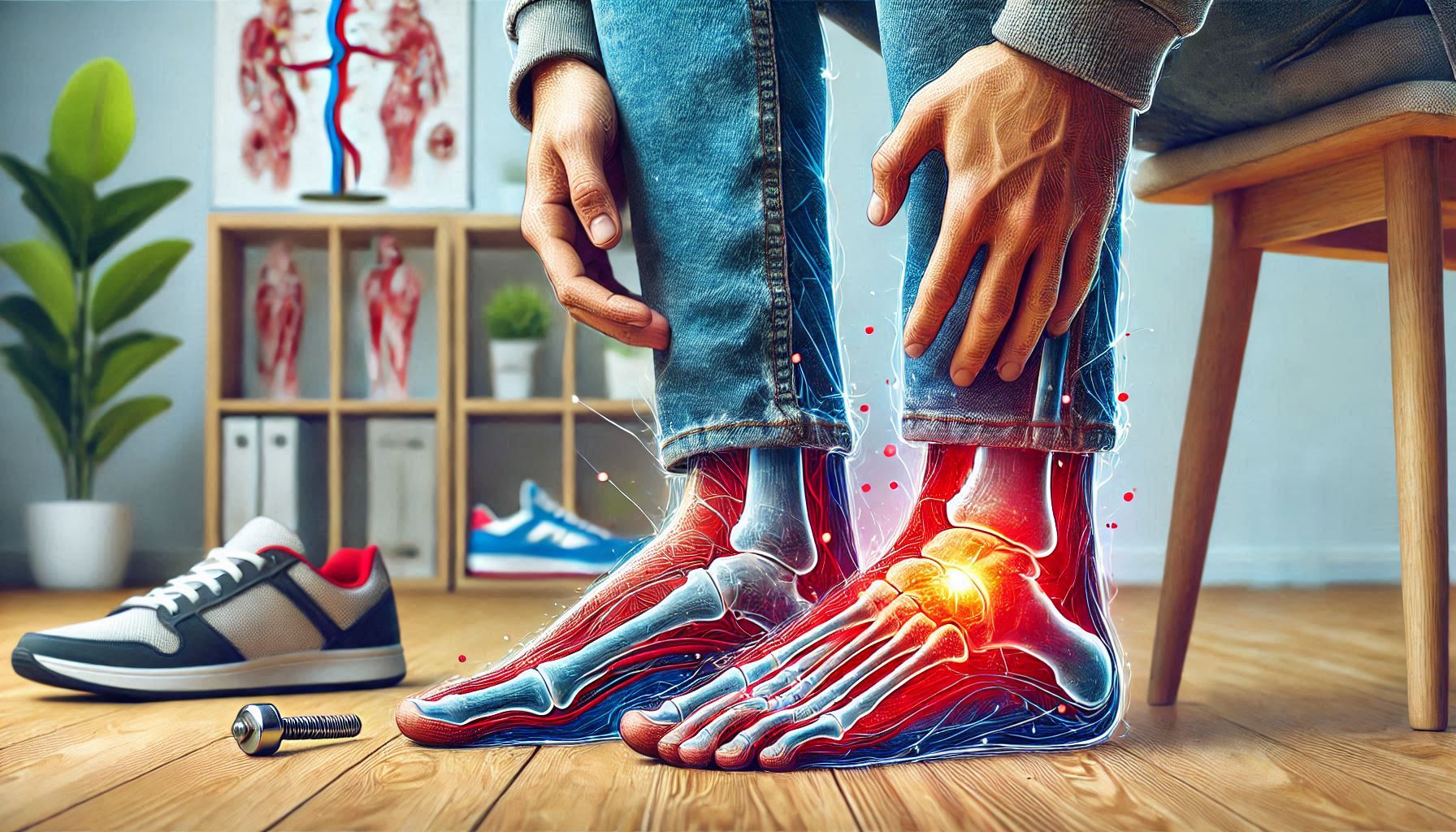
Understanding the Basics:
Bunions are a common foot problem that can lead to discomfort, pain, and limitations in daily activities. Whether you’ve noticed a slight bump forming on your foot or have dealt with bunions for years, understanding their symptoms, causes, and treatment options is essential for finding relief. In this article, we’ll break down everything you need to know about bunions, from their development to effective treatment options.
What Are Bunions?
A bunion, medically known as **hallux valgus**, is a bony bump that forms on the joint at the base of your big toe. This joint, called the metatarsophalangeal (MTP) joint, gradually shifts out of alignment, causing the big toe to lean toward the other toes. Over time, this misalignment leads to the characteristic bump and can cause pain, swelling, and difficulty wearing certain shoes.
While bunions most commonly affect the big toe, a similar condition, called a **bunionette** or **tailor’s bunion**, can occur on the outside of the foot near the pinky toe.
Symptoms of Bunions
Bunions can range from mild to severe, and symptoms may vary depending on the stage of the condition. Common symptoms include:
- Visible Bump
The most recognizable sign of a bunion is a bulging bump on the outside of the base of the big toe. In advanced cases, this bump may appear red or swollen.
- Pain and Tenderness
Many people experience pain or tenderness in the joint, particularly after walking or wearing tight-fitting shoes.
- Swelling and Inflammation
The affected joint often becomes swollen, inflamed, and red, especially after prolonged activity.
- Limited Range of Motion
As the bunion progresses, the joint’s range of motion may decrease, making it difficult to move the toe.
- Calluses and Corns
The misalignment of the toes can lead to rubbing against footwear, resulting in painful calluses or corns.
- Changes in Gait
Severe bunions can alter the way you walk, as your body tries to compensate for the discomfort and imbalance.
What Causes Bunions?
Bunions are the result of a combination of genetic, environmental, and biomechanical factors. Some of the most common causes include:
- Genetics
If bunions run in your family, you may have inherited a foot structure that predisposes you to develop them, such as flat feet or overly flexible joints.
- Footwear Choices
Tight, narrow, or high-heeled shoes can exacerbate pressure on the toes and contribute to bunion formation. Shoes that squeeze the toes into unnatural positions are particularly problematic.
- Foot Structure and Biomechanics
Abnormal foot mechanics, such as overpronation (rolling the foot inward while walking), can increase stress on the MTP joint.
- Arthritis
Conditions like rheumatoid arthritis, which affect joint health and alignment, can increase the likelihood of bunions.
- Injuries
Trauma to the foot or toe joint may lead to misalignment and the eventual development of a bunion.
- Occupation or Activity
Jobs or activities that require prolonged standing, walking, or wearing restrictive footwear can increase the risk of bunions.
Conservative Treatments
For mild to moderate bunions, non-surgical treatments are often effective in relieving symptoms:
- Proper Footwear
Choose shoes with a wide toe box, low heels, and good arch support. Avoid tight, narrow, or high-heeled shoes.
- Padding and Taping
Protective pads can cushion the bunion and reduce friction. Taping the foot can also help align the toes and reduce stress on the joint.
- Orthotics
Custom orthotic devices or shoe inserts can improve foot alignment and reduce pressure on the bunion.
- Pain Relief
Over-the-counter pain relievers, such as ibuprofen or acetaminophen, can help manage inflammation and discomfort.
- Ice Therapy
Applying ice packs to the bunion can reduce swelling and provide temporary relief.
- Physical Therapy
Stretching and strengthening exercises can improve foot mechanics and alleviate pressure on the MTP joint.
Diagnosing Bunions
If you suspect you have a bunion, it’s important to consult a healthcare provider, such as a podiatrist, for an accurate diagnosis. During the evaluation, the doctor will:
- Examine Your Foot
They’ll assess the size and position of the bunion, as well as check for redness, swelling, or tenderness.
- Review Your Medical History
This includes discussing symptoms, family history, and any prior injuries or conditions affecting your feet.
- Take X-Rays
X-rays provide a detailed view of the foot’s bone alignment and can reveal the severity of the bunion and any associated damage.
Stages of Bunions
Bunions progress through several stages, and understanding these can help guide treatment:
- Mild Bunions
A small bump begins to form, but pain is minimal, and mobility is unaffected.
- Moderate Bunions
The bump grows larger, and pain becomes noticeable, especially during activity. Toe misalignment may be visible.
- Severe Bunions
The big toe is significantly misaligned, overlapping or pushing into adjacent toes. Pain is persistent, and daily activities may become difficult.
Surgical Treatments
For severe or persistent bunions that don’t respond to conservative measures, surgery may be necessary. Common surgical procedures include:
- Bunionectomy :
This involves removing the bony bump and realigning the joint. It’s typically performed on mild to moderate bunions.
- Osteotomy :
In this procedure, the surgeon cuts and realigns the bones to correct the bunion deformity.
- Arthrodesis :
This involves fusing the joint to stabilize the toe. It’s often reserved for severe bunions or those caused by arthritis.
- Lapidus Procedure :
This surgery stabilizes the first metatarsal bone and corrects the structural deformity contributing to the bunion.
Preventing Bunions
While some risk factors, such as genetics, can’t be controlled, there are steps you can take to minimize your risk of developing bunions:
- Wear Comfortable Shoes
Opt for footwear that fits well and provides adequate support. Avoid narrow or pointed-toe shoes.
- Maintain a Healthy Weight
Excess weight can increase stress on the feet, contributing to bunion formation.
- Strengthen Your Feet
Regularly perform foot exercises to improve flexibility and strengthen supporting muscles.
- Listen to Your Feet
If you notice discomfort or swelling, address the issue early by modifying your footwear or consulting a healthcare provider.
Living with Bunions
For many people, bunions are a manageable condition. By adopting healthy habits, using supportive footwear, and seeking professional care when necessary, you can reduce pain and maintain an active lifestyle.
If you’re considering surgery, it’s important to discuss the potential risks, benefits, and recovery time with your doctor. While surgery can be highly effective, it’s typically reserved for severe cases.

Conclusion
Bunions can significantly impact your quality of life, but they don’t have to define it. Whether you’re just noticing the first signs of a bunion or have been living with one for years, there are many treatment options available. By understanding the causes and symptoms and seeking the appropriate care, you can take control of your foot health.
If you suspect you have a bunion, consult a podiatrist to create a personalized treatment plan. Don’t wait—early intervention can make all the difference in preventing the progression of this common condition.
ItHurts.com is your ally in your endeavor to live pain-free. We offer guidance, resources, and community support to address chronic pain, emotional stress, and physical discomfort. Discover insightful articles, product reviews, recommendations and shared experiences to empower your journey to better health. Remember, if it hurts, we can help!
Related Products
No posts found!
Related Blogs
No posts found!