Shopping Cart
CloseNo products in the cart.
Filter
close
Hip Pointers: The Painful Blow and How to Bounce Back Stronger
Author: ItHurts.com
A Comprehensive Talk on Painful Hip Pointers
Understanding the Basics:
A sudden, sharp pain around your hip after a collision or fall can leave you wincing and wondering what went wrong. If you’ve experienced this, you might be dealing with a **hip pointer**—a common injury among athletes and active individuals. While not life-threatening, a hip pointer can be incredibly painful and disruptive, making even simple activities like walking or sitting a challenge. But don’t worry—with the right care and approach, recovery is within reach.
This article dives deep into what a hip pointer is, its symptoms, causes, and, most importantly, how to recover effectively. Whether you’re a seasoned athlete, an active individual, or someone looking to stay informed, this guide has you covered.
What Is a Hip Pointer?
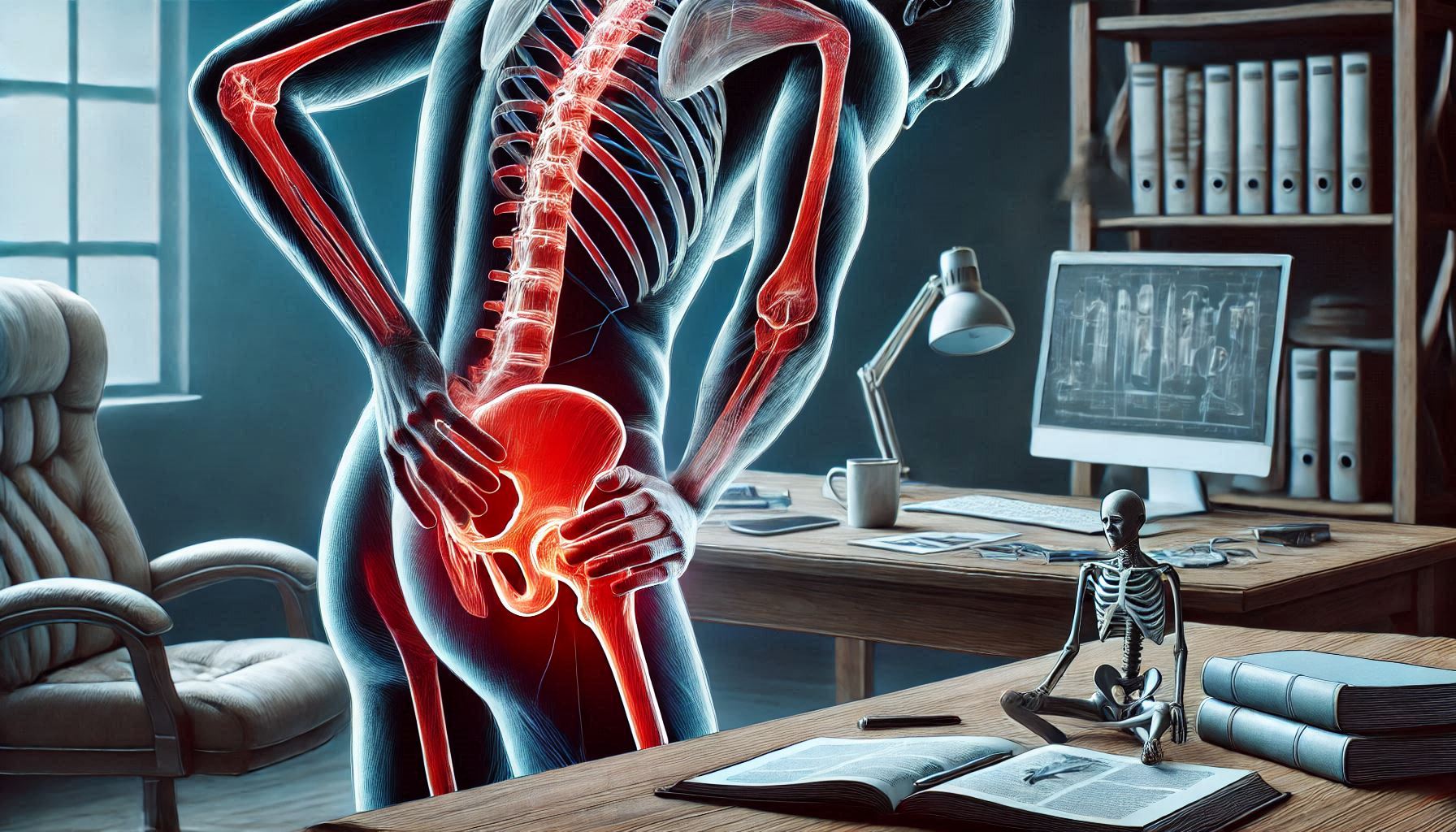
A hip pointer is a **contusion (bruise)** or injury to the **iliac crest**—the bony prominence at the top of your hip bone—or the surrounding muscles and tissues. This injury occurs when the area experiences a direct impact, leading to bleeding, inflammation, and pain. Hip pointers are common in contact sports like football, hockey, and soccer but can also happen in non-sporting scenarios such as falls or accidents.
Symptoms of a Hip Pointer
Recognizing a hip pointer is key to starting your recovery journey. Symptoms may include:
- Sharp Pain : Often immediate and localized to the iliac crest or nearby areas.
- Bruising and Swelling : Visible discoloration and puffiness may develop within hours or days.
- Limited Mobility : Pain may make walking, running, or rotating the hip joint difficult.
- Muscle Weakness : The surrounding muscles may feel weaker due to pain and inflammation.
- Tenderness to Touch : The area may be sensitive even to light pressure.
If these symptoms align with what you’re experiencing, it’s time to focus on healing and recovery.
Causes of Hip Pointers
Understanding the causes of hip pointers can help you avoid future injuries. The primary causes include:
– Direct Impact: A hit from a football tackle, collision with a hockey stick, or a fall onto a hard surface.
– Repetitive Stress: In some cases, repetitive strain on the hip area can lead to inflammation and pain, resembling a hip pointer.
– Inadequate Protection : Contact sports without proper padding around the hips increase the risk of injury.
Diagnosis of a Hip Pointer
A proper diagnosis ensures you’re on the right path to recovery. Here’s what you can expect:
- Medical History and Physical Examination : Your doctor will ask about how the injury occurred and examine the area for swelling, tenderness, and bruising.
- Imaging Tests : X-rays or MRIs may be used to rule out fractures, muscle tears, or other complications.
Early diagnosis is crucial for effective treatment and minimizing recovery time.
Recovery from a Hip Pointer
Recovering from a hip pointer requires a combination of **immediate care**, **ongoing treatment**, and **gradual rehabilitation**. Let’s break it down.
1. Immediate Care: The R.I.C.E Method
Right after the injury, focus on reducing pain and inflammation with the **R.I.C.E method**:
– Rest : Avoid putting weight on the injured side to prevent further damage.
– Ice : Apply ice packs to the affected area for 15–20 minutes every 1–2 hours for the first 48 hours.
– Compression : Use an elastic bandage or wrap to reduce swelling.
– Elevation : Keep the hip elevated to help fluid drain away from the injury site.
2. Pain Management
If pain persists, consider these approaches:
– Over-the-Counter Pain Relievers : Nonsteroidal anti-inflammatory drugs (NSAIDs) like ibuprofen or naproxen can reduce pain and swelling.
– Topical Pain Creams: Products containing menthol or capsaicin can provide localized relief.
3. Physical Therapy
As the pain subsides, physical therapy can help restore strength and mobility. A licensed physical therapist might guide you through:
– Stretching Exercises : Gentle stretches to improve flexibility in the hip and surrounding muscles.
– Strengthening Exercises: Low-impact workouts to rebuild muscle strength and support the hip joint.
– Balance and Coordination Training: Exercises to regain stability and prevent future injuries.
4. Gradual Return to Activity
Rehabilitation isn’t just about feeling better—it’s about regaining full function. Follow these steps:
- Start Slow : Begin with low-impact activities like walking or swimming.
- Increase Intensity : Gradually reintroduce sports or strenuous activities as pain allows.
- Use Padding: If you play contact sports, invest in protective gear to prevent re-injury.
Home Remedies for Hip Pointers
In addition to medical treatments, some home remedies may accelerate recovery:
- Epsom Salt Baths : A warm bath with Epsom salt can relax muscles and reduce soreness.
- Anti-Inflammatory Foods : Incorporate foods like turmeric, ginger, and omega-3-rich fish into your diet to combat inflammation.
- Massage Therapy : Gentle massage around the affected area can improve blood flow and relieve tension.
Recovery Timeline
The timeline for recovery varies depending on the severity of the injury:
– Mild Hip Pointer : 1–2 weeks with proper care.
– Moderate Hip Pointer: 2–4 weeks with physical therapy.
– Severe Hip Pointer : 6 weeks or more, especially if significant muscle damage is involved.
Patience and consistency are essential. Avoid rushing back into physical activity to prevent setbacks.
Prevention of Hip Pointers
While not all injuries are avoidable, you can reduce the risk of hip pointers by:
- Wearing Protective Gear: Use padded shorts or hip guards during high-risk activities.
- Strengthening Core Muscles: A strong core supports the hip area, reducing injury risk.
- Improving Technique: In sports, proper form can minimize awkward impacts.
- Being Mindful: Avoid risky movements or activities, especially in environments prone to falls or collisions.
When to See a Doctor
While most hip pointers heal with home care, seek medical attention if you experience:
– Severe, unrelenting pain
– Inability to bear weight on the injured side
– Signs of infection (redness, warmth, or fever)
– Lack of improvement after 2 weeks
A Note on Returning to Sports
For athletes, returning to sports too soon can lead to re-injury. Ensure you’re:
– Pain-free during physical activity
– Able to perform sport-specific movements without difficulty
– Cleared by your doctor or physical therapist

Conclusion
Swimmer’s ear may be a common ailment, but it doesn’t have to be a recurring nuisance. By adopting a proactive, holistic approach, you can protect your ears, soothe symptoms, and support natural healing.
Whether you’re an avid swimmer, a parent of young children, or simply someone who enjoys long baths, these tips and remedies will keep your ears healthy and happy. Remember, the key is balance: prevention, natural care, and professional guidance when needed.
Take action today to keep your ears afloat—because life is better when you can hear it all!
ItHurts.com is your ally in your endeavor to live pain-free. We offer guidance, resources, and community support to address chronic pain, emotional stress, and physical discomfort. Discover insightful articles, product reviews, recommendations and shared experiences to empower your journey to better health. Remember, if it hurts, we can help!
Related Products
No posts found!
Related Blogs
No posts found!