Shopping Cart
CloseNo products in the cart.
Filter
close
Calming the Storm: Managing Interstitial Cystitis/Bladder Pain Syndrome
Author: ItHurts.com
A Comprehensive Talk on Interstitial Cystitis/Bladder Pain Syndrome
Understanding the Basics:
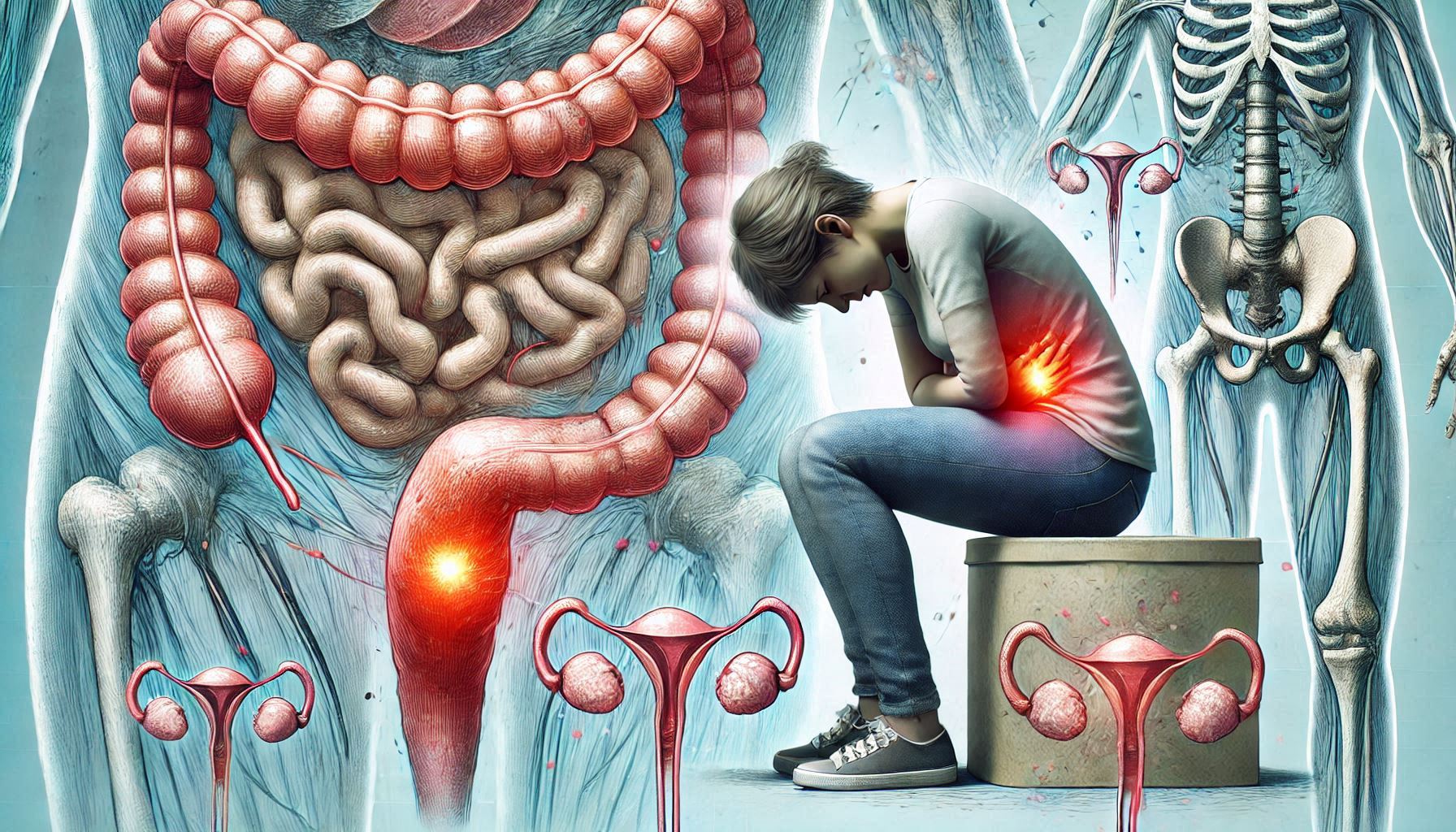
Interstitial Cystitis (IC), also known as Bladder Pain Syndrome (BPS), is a chronic condition that affects millions of people worldwide. Characterized by bladder pressure, pelvic pain, and frequent urination, this condition can significantly impact your quality of life. While there’s no known cure, various strategies can help manage symptoms and improve day-to-day well-being. This guide explores the condition in-depth, offering practical advice, treatments, and lifestyle changes to help those living with IC/BPS reclaim their comfort.
Understanding Interstitial Cystitis/Bladder Pain Syndrome
IC/BPS is a persistent bladder condition that causes chronic pain and discomfort. Symptoms vary widely among individuals, but common complaints include:
- Pain and Pressure: Persistent discomfort in the bladder, pelvis, or lower abdomen.
- Frequent Urination: The urge to urinate more than normal, often in small amounts.
- Nocturia: Waking up multiple times during the night to urinate.
- Pain During Sex: For some, IC can make intimacy uncomfortable or painful.
What Causes IC/BPS?
The exact cause remains unclear. Some researchers believe it might result from a defect in the bladder lining, while others suggest that autoimmune disorders, allergies, or pelvic floor dysfunction could play a role. What is clear, however, is that the condition is not caused by infection, and it cannot be treated with antibiotics.
Who Is at Risk?
IC/BPS is more common in women than men, though men can also be affected. Risk factors include:
- A history of urinary tract infections.
- Stress, which can exacerbate symptoms.
- Coexisting conditions like fibromyalgia, irritable bowel syndrome (IBS), or endometriosis.
Finding Relief: Managing Symptoms of IC/BPS
1. Work with Your Healthcare Provider
The first step in managing IC/BPS is obtaining a proper diagnosis and working closely with a healthcare provider. A urologist or urogynecologist is typically well-equipped to help. Medical treatments may include:
Medications
- Pentosan Polysulfate Sodium (Elmiron): The only FDA-approved oral medication for IC/BPS, thought to help restore the bladder lining.
- Antihistamines: For those whose IC is triggered by allergic reactions.
- Tricyclic Antidepressants: Such as amitriptyline, which can help relax the bladder and reduce pain.
- Pain Relievers: Over-the-counter or prescription-strength options.
Bladder Instillations
In-office treatments involve placing medication directly into the bladder via a catheter. These therapies may help reduce inflammation and provide localized pain relief.
Nerve Stimulation
Techniques such as sacral nerve stimulation or transcutaneous electrical nerve stimulation (TENS) may help manage pelvic pain and urinary frequency.
2. Adjust Your Diet
Diet plays a significant role in IC/BPS symptom management. Many patients find that certain foods and beverages trigger flares. While triggers vary, common culprits include:
- Caffeine and Alcohol: Both are diuretics that can irritate the bladder.
- Citrus Fruits: Their high acidity can exacerbate symptoms.
- Spicy Foods: Often lead to bladder irritation.
- Artificial Sweeteners: Known to cause bladder sensitivity.
The IC Diet
Start with an elimination diet to identify your triggers. Gradually reintroduce foods to determine what works for you. Focus on bladder-friendly options like:
- Low-acid fruits (e.g., blueberries, pears, and watermelon).
- Vegetables like zucchini and green beans.
- Proteins such as chicken, turkey, and eggs.
- Whole grains like oatmeal and rice.
Hydration is also critical. Stick to plain water or herbal teas to keep the bladder calm.
3. Practice Stress Management
Stress and IC/BPS often form a vicious cycle: stress exacerbates symptoms, and symptoms cause more stress. Incorporating stress management techniques into your routine can make a noticeable difference.
Mindfulness and Meditation
Mind-body practices such as meditation, deep breathing, or guided imagery can help reduce tension and improve pain perception.
Exercise
Gentle, low-impact activities like yoga, tai chi, or swimming can reduce stress without putting undue pressure on the bladder or pelvic floor.
Seek Support
Living with IC/BPS can feel isolating, but connecting with others who understand your experience can be empowering. Look for support groups, whether in-person or online.
4. Explore Physical Therapy
Pelvic floor dysfunction is a common contributor to IC/BPS symptoms. A trained pelvic floor physical therapist can teach techniques to:
- Release tension in the pelvic muscles.
- Improve posture to reduce bladder pressure.
- Use biofeedback to retrain muscle patterns.
5. Complementary Therapies
Some individuals find relief from alternative treatments. While results vary, these options are worth exploring:
- Acupuncture: May help relieve pelvic pain by stimulating specific points in the body.
- Herbal Remedies: Supplements like quercetin or marshmallow root have anti-inflammatory properties.
- Heat Therapy: Applying a heating pad to the lower abdomen can soothe pain and relax muscles.
6. Lifestyle Changes to Manage Symptoms
Daily habits significantly influence how IC/BPS manifests. Consider these tips:
Bladder Training
Train your bladder to hold more urine by gradually increasing the time between bathroom visits. This method requires patience but can improve urgency and frequency over time.
Avoid Tight Clothing
Tight jeans or belts can put unnecessary pressure on the bladder and pelvic region. Opt for loose, comfortable clothing instead.
Plan Ahead
IC/BPS can make traveling or social outings stressful. Prepare by knowing where restrooms are located and carrying symptom management essentials like water, heat packs, or medications.
7. Stay Informed
Research on IC/BPS is ongoing, and new treatments and therapies are emerging. Stay informed by following reputable organizations like the Interstitial Cystitis Association (ICA) or speaking with your healthcare provider about clinical trials.
When to Seek Help
While managing IC/BPS is often a trial-and-error process, some situations warrant immediate attention:
- Severe or worsening pain.
- Blood in the urine (hematuria).
- Symptoms that interfere with your ability to work or perform daily activities.
A tailored treatment plan can make all the difference. Don’t hesitate to reach out to a healthcare provider if your current management strategies aren’t working.

Final Thoughts:
Though living with IC/BPS can be challenging, you’re not powerless against it. A combination of medical care, lifestyle changes, and a supportive community can help you regain control and reduce the impact of this condition on your life.
Final Thoughts
If you’re struggling with IC/BPS, remember you’re not alone. Many others face the same challenges and have found relief through persistence and exploration. The journey may take time, but with the right strategies, you can live a fulfilling life despite the condition.
For additional resources, consult organizations like the Interstitial Cystitis Association, or speak with a healthcare provider specializing in pelvic pain. Empower yourself with knowledge and support to calm the storm of IC/BPS.
By incorporating these strategies and remaining proactive, you can take significant steps toward managing IC/BPS and improving your quality of life. Stay positive, seek support, and never hesitate to advocate for your well-being.
ItHurts.com is your ally in your endeavor to live pain-free. We offer guidance, resources, and community support to address chronic pain, emotional stress, and physical discomfort. Discover insightful articles, product reviews, recommendations and shared experiences to empower your journey to better health. Remember, if it hurts, we can help!
Related Products
No posts found!
Related Blogs
No posts found!