No products in the cart.
Flexibility is a fundamental aspect of physical fitness that enhances your range of motion, improves your performance in physical activities, and decreases your risk of injuries. A flexible body is also more efficient at movement and can maintain a more balanced muscle structure. This article explores various stretching routines and flexibility exercises designed to increase muscle elasticity and joint range of motion. It will discuss the importance of warming up properly to prevent injuries and provide detailed instructions on effective stretching techniques that can be practiced at home or in the gym. Furthermore, the piece will offer expert advice on how to progress safely in flexibility training and how often to stretch to achieve optimal benefits.
Flexibility refers to the ability of your muscles and joints to move through their complete range of motion. It is an often overlooked component of physical fitness but is critical for maintaining a healthy, active lifestyle as it facilitates daily activities and reduces the risk of injuries. Enhanced flexibility can also lead to better posture, reduced muscle soreness, and lower stress levels.
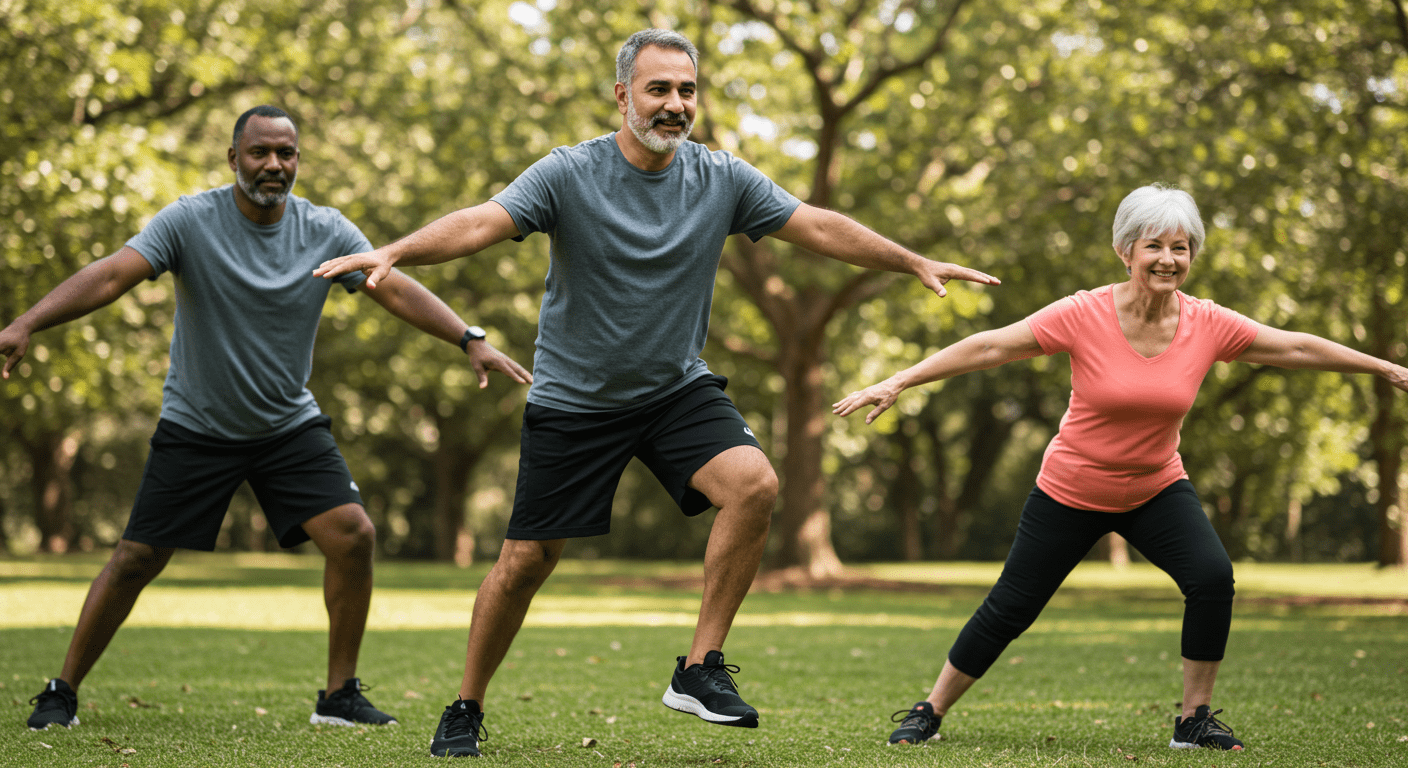
Before delving into any stretching routine, warming up is essential to prepare the muscles and reduce the risk of injury. A warm-up should involve light physical activity that gradually increases your heart rate and blood flow to muscles. Examples include brisk walking, light jogging, or dynamic stretches such as leg swings and arm circles. These activities help to increase the temperature and elasticity of muscle tissue, making them more amenable to stretching.
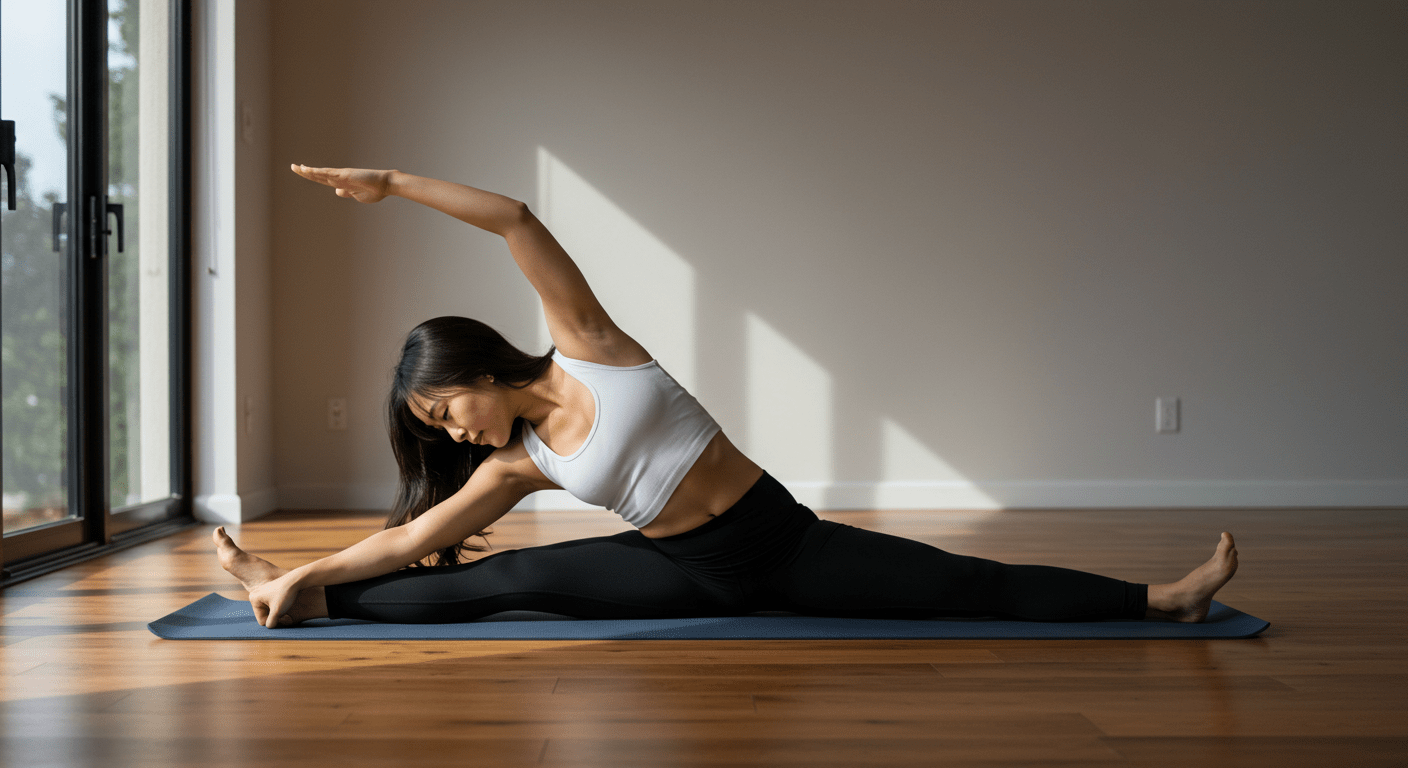
PNF Stretching (Proprioceptive Neuromuscular Facilitation): This method combines passive stretching and isometric stretching to achieve maximum static flexibility. It typically involves holding a stretch while contracting and relaxing the muscle.
For optimal benefits, incorporate flexibility exercises into your daily routine. Even a few minutes a day can significantly impact your flexibility, particularly if you focus on areas of the body that are typically tight, such as the hips, lower back, and shoulders.
Increasing your flexibility is a worthwhile endeavor that can enhance your overall quality of life by improving physical performance, reducing your risk of injuries, and decreasing muscle tension and pain. By following the guidelines outlined in this article, you can safely and effectively enhance your muscle elasticity and joint range of motion through regular flexibility exercises.