
United States
Afghanistan
Albania
Algeria
Andorra
Angola
Argentina
Armenia
Australia
Austria
Azerbaijan
Bahrain
Bangladesh
Barbados
Belarus
Belgium
Belize
Benin
Bhutan
Bolivia
Bosnia and Herzegovina
Botswana
Brazil
Brunei
Bulgaria
Burkina Faso
Burundi
Cambodia
Cameroon
Canada
Cape Verde
Central African Republic
Chad
Chile
China
Colombia
Comoros
Congo
Costa Rica
Croatia
Cuba
Cyprus
Czech Republic
Denmark
Djibouti
Dominican Republic
Ecuador
Egypt
El Salvador
Estonia
Ethiopia
Finland
France
Gabon
Gambia
Georgia
Germany
Ghana
Greece
Guatemala
Guinea
Guyana
Haiti
Honduras
Hungary
Iceland
India
Indonesia
Iran
Iraq
Ireland
Israel
Italy
Jamaica
Japan
Jordan
Kazakhstan
Kenya
Kuwait
Kyrgyzstan
Laos
Latvia
Lebanon
Lesotho
Liberia
Libya
Lithuania
Luxembourg
Madagascar
Malawi
Malaysia
Maldives
Mali
Malta
Mauritania
Mauritius
Mexico
Moldova
Mongolia
Montenegro
Morocco
Mozambique
Myanmar
Namibia
Nepal
Netherlands
New Zealand
Nicaragua
Niger
Nigeria
Norway
Oman
Pakistan
Panama
Paraguay
Peru
Philippines
Poland
Portugal
Qatar
Romania
Russia
Rwanda
Saudi Arabia
Senegal
Serbia
Singapore
Slovakia
Slovenia
South Africa
South Korea
Spain
Sri Lanka
Sudan
Sweden
Switzerland
Syria
Taiwan
Tajikistan
Tanzania
Thailand
Turkey
Turkmenistan
Uganda
Ukraine
United Arab Emirates
United Kingdom
United States
Uruguay
Uzbekistan
Venezuela
Vietnam
Yemen
Zambia
Zimbabwe
4 min read 614 words 474 views

Anti-Inflammatory Eating: Foods That Fight Pain and Promote Health

Inflammation is a natural process that helps the body fight off infections, heal injuries, and fend off diseases. However, when inflammation becomes chronic, it can lead to a multitude of health issues, including chronic pain, arthritis, and other degenerative conditions. Adopting an anti-inflammatory diet is not just a trend—it’s a lifestyle choice backed by science to enhance health, reduce pain, and prevent disease. This article explores how an anti-inflammatory diet can benefit your health, identifies pro-inflammatory and anti-inflammatory foods, provides meal planning tips, and suggests recipes to incorporate into your diet.

Understanding Inflammation and Its Effects on Health

Inflammation is the body’s immune response to injury or infection, signaling the healing process. Chronic inflammation, however, can cause lasting damage to the body, contributing to various diseases including arthritis, heart disease, and diabetes, as well as chronic pain conditions. Dietary choices play a significant role in modulating inflammation levels in the body.

Pro-Inflammatory Foods to Avoid

Certain foods can exacerbate inflammation and contribute to the deterioration of health:

    • Processed Foods: High in sodium, sugar, and unhealthy fats, processed foods are significant contributors to inflammation.
    • Red Meat and Processed Meats: These contain high levels of saturated fats that can provoke inflammatory responses.
    • Refined Carbohydrates: Foods like white bread and pastries spike blood sugar levels and promote inflammation.

Anti-Inflammatory Foods to Embrace

Incorporating anti-inflammatory foods into your diet can help reduce inflammation and improve overall health:

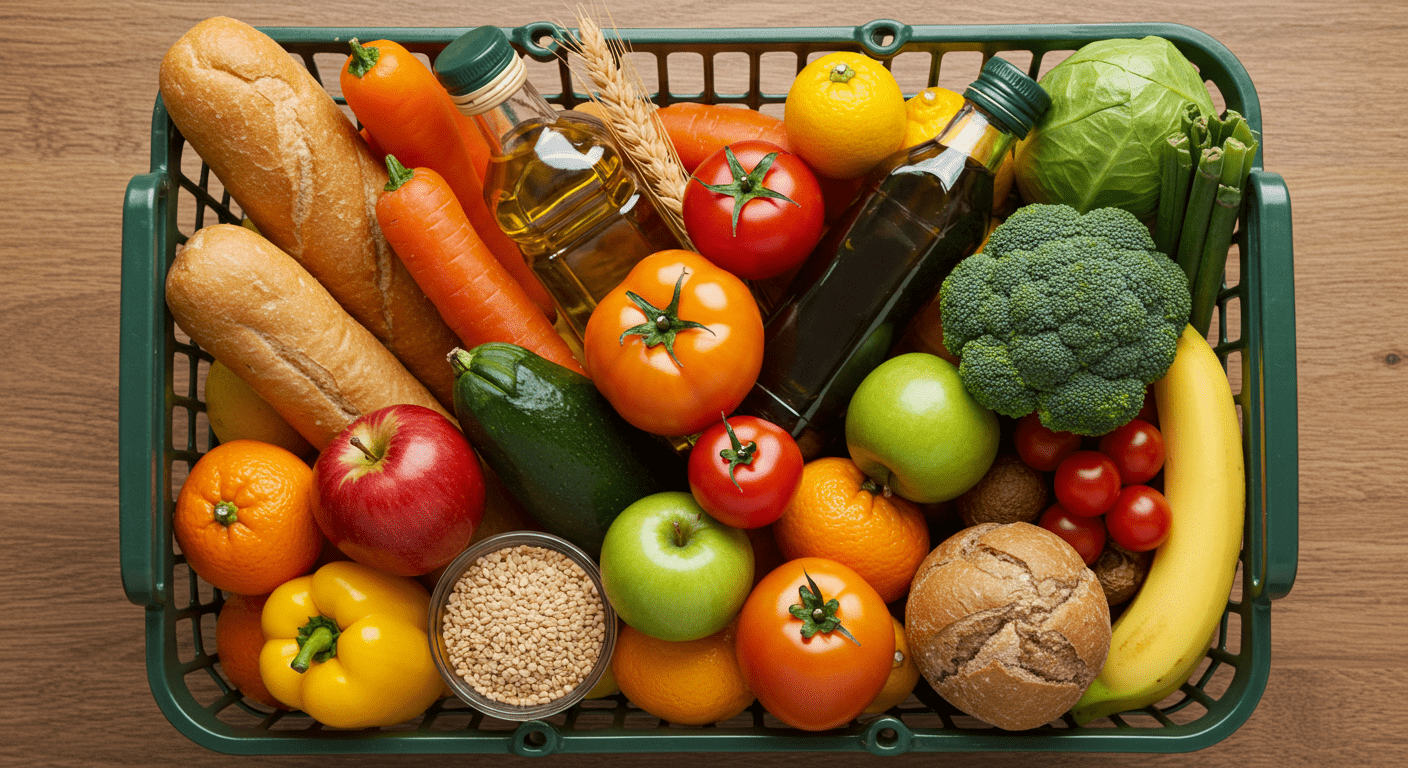
    • Fruits and Vegetables: Rich in antioxidants and phytonutrients that reduce inflammation. Examples include berries, broccoli, and leafy greens.
    • Whole Grains: Foods like brown rice, whole wheat, and oats are high in fiber, which has been shown to reduce levels of inflammatory markers.
    • Fatty Fish: Salmon, mackerel, and sardines are high in omega-3 fatty acids, which are powerful anti-inflammatory agents.
    • Healthy Fats: Olive oil and avocados are excellent sources of monounsaturated fats that help reduce inflammation.

Meal Planning Tips

Effective meal planning can help incorporate anti-inflammatory foods into your diet:

  • Plan Ahead: Prepare a weekly meal plan that includes a variety of anti-inflammatory foods to ensure a balanced diet.
  • Batch Cooking: Cook large portions of dishes like stews or roasted vegetables at the beginning of the week to save time and ensure you have healthy meals ready.
  • Smart Snacking: Choose snacks that are rich in nutrients and low in processed ingredients, such as nuts, seeds, and fresh fruit.

Suggested Recipes

Here are a few recipes that incorporate anti-inflammatory ingredients:

  • Turmeric and Ginger Tea: Both spices are known for their anti-inflammatory properties and can help soothe pain.
  • Salmon with Walnut-Pesto Sauce: Combines omega-3-rich salmon with walnuts, which are another excellent source of anti-inflammatory fats.

Berry and Kale Smoothie: Packs in antioxidants with a delicious mix of berries and kale, sweetened naturally with a banana.

Scientific Basis for Anti-Inflammatory Foods

Studies have shown that diets rich in anti-inflammatory foods can lead to reductions in inflammation markers like C-reactive protein (CRP). Additionally, such diets are linked to a lower risk of chronic conditions, improved mood, and higher energy levels. These benefits are attributed to the nutrients these foods deliver, which support the body’s immune system and metabolic functions.

Health Benefits Beyond Pain Reduction

Beyond reducing pain, an anti-inflammatory diet can improve bone health, enhance cognitive function, and boost cardiovascular health. It also plays a role in weight management and aging healthily, making it beneficial for overall long-term health.

Conclusion

Adopting an anti-inflammatory diet offers a plethora of health benefits, from reducing chronic pain to enhancing overall vitality. By understanding which foods to avoid and which to embrace, and by planning meals thoughtfully, you can significantly impact your health, ensuring a healthier, more vibrant life.