

If You’ve Ever Experienced Frostbite… Yeah. ❄️😬
If you’ve ever experienced frostbite, you already know the vibe: one minute you’re living your cute winter fantasy, and the next you’re wondering if your toes have quietly filed for retirement.
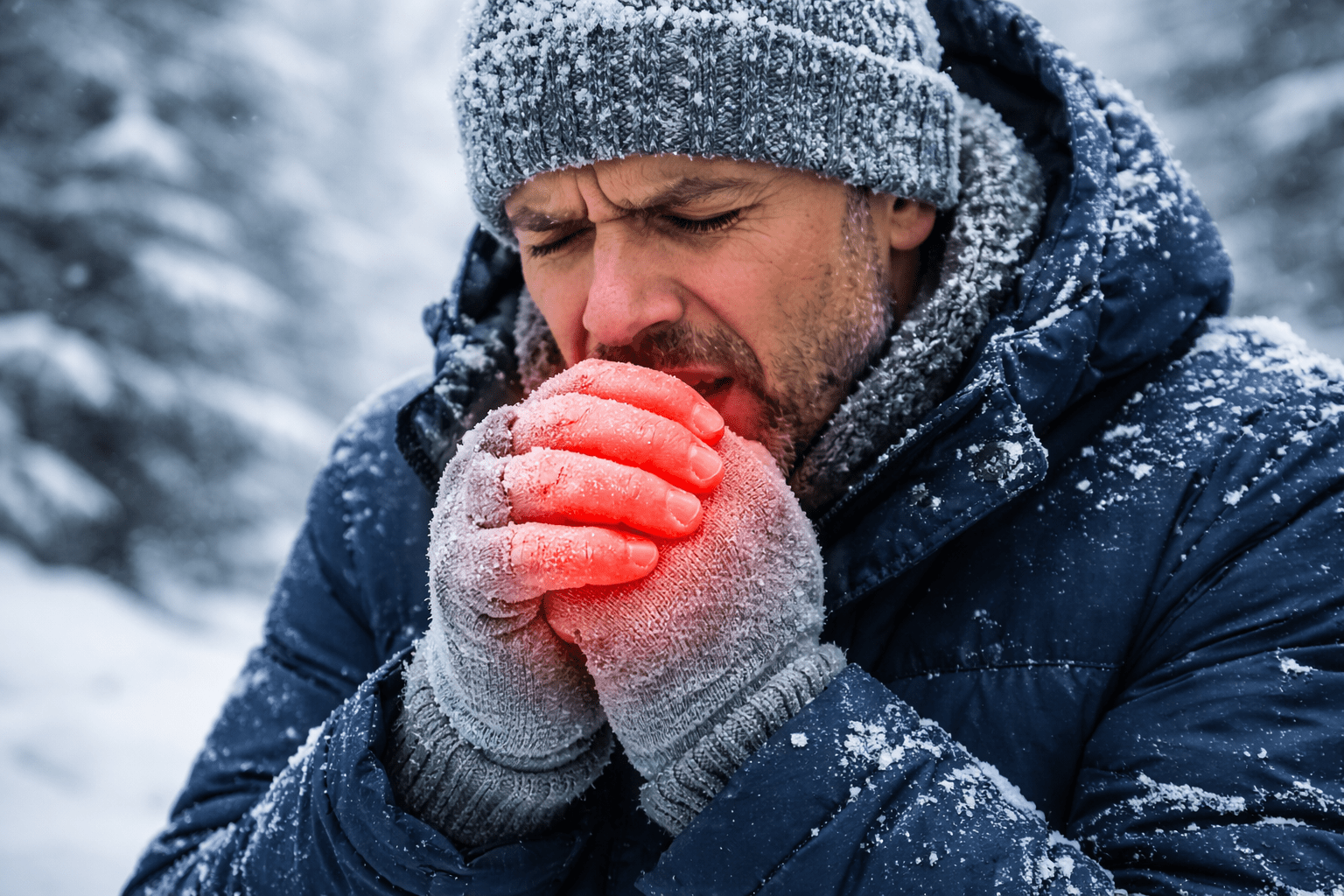
Frostbite sneaks up fast. One moment it’s “this isn’t too bad,” and the next it’s numbness, pain, and the deeply unsettling question: Should my skin look like this?
There’s the sting, the tingling, the wooden feeling, the “are these still my fingers?” moment. Not glamorous. Not fun. Not the winter aesthetic anyone ordered.
Quick note: This isn’t medical advice—just friendly info and encouragement. Always talk with a qualified pro about your own situation.
What’s Actually Going On? 🧠🩺
Frostbite happens when skin and underlying tissues literally freeze. In extreme cold, your body shifts blood away from fingers, toes, ears, and nose to protect your core.
That reduced circulation plus freezing temperatures causes ice crystals to form inside your tissues. Yes—actual ice crystals. Inside your cells. The least glamorous superpower imaginable.
Common frostbite triggers include:
- Extreme cold or wind exposure
- Wet gloves, socks, or shoes
- Tight or restrictive clothing
- Poor circulation
- Conditions like diabetes or Raynaud’s
- Staying out longer than planned because “it didn’t feel that cold”
Frostbite doesn’t discriminate. Hikers, workers, kids, mail-fetchers—it happens.
Why It Hurts (and Why You’re NOT Crazy) 😤
Frostbite pain is unpredictable. It swings from numb to burning to stabbing to “why do my hands feel like strangers?”
People who haven’t experienced it often think it’s “just cold.” It’s not. This is tissue injury—and the pain, fear, and confusion are completely valid.
You’re not dramatic. You’re responding to real physical damage.
When to Call in the Pros ⚠️
- Skin that’s hard, waxy, or unusually pale
- Numbness that doesn’t improve with warming
- Blisters forming
- Severe swelling or color changes
- Intense pain as sensation returns
- Fever, chills, or illness
- Blackened or dead-looking tissue
- Signs of hypothermia (confusion, slurred speech)
Getting help is strength, not weakness.
Home Strategies That Actually Help 🏡
Everyday Tweaks
- Get indoors and warm gradually
- Remove wet clothing immediately
- Loosen anything tight
- Keep the room comfortably warm
- Avoid direct heat sources
Gentle Warming Techniques
- Warm (not hot) water immersion
- Warm compresses
- Gentle movement once feeling returns
Comfort Hacks
- Warm beverages
- Soft socks and gloves
- Elevation for swelling
- Rest and hydration
Recovery isn’t linear. One day feels fine. The next feels dramatic. That’s normal.
Real-Life Stuff: Work, Sleep, Relationships, and Sanity 😴💼❤️
Frostbite doesn’t stop at skin. It affects typing, sleep, focus, touch, and mood.
- Communicate limits at work
- Prepare loved ones for odd sensations
- Give yourself emotional space
- Celebrate small wins like warmth and movement
You’re Stronger Than You Think 🌱
Frostbite can be scary, frustrating, and disruptive—but recovery, adaptation, and healing are real.
You deserve warmth, support, and people who understand what you’re dealing with.
This article does not diagnose or replace professional medical care. Use it to learn, not self-treat.