


Waking up with a tired, aching jaw
Some people notice it first thing in the morning: a stiff, sore jaw, tight cheeks and maybe a dull headache at the temples, as if they'd been chewing all night. Others feel it later, as clicking when they eat, aching after a long conversation, or a sharp twinge when they yawn. Jaw pain can spread into the ears, teeth, face and neck, which makes it confusing to pin down.
Most jaw pain comes from the jaw joints and the muscles that move them, and it often improves with simple self-care. But because the jaw sits close to the teeth, ears and sinuses, and because jaw pain can occasionally be linked to the heart, it's worth knowing the full picture.
How the jaw works
You have two temporomandibular joints (TMJs), one in front of each ear, where the lower jaw meets the skull. Each contains a small disc that cushions movement. Powerful muscles on the sides of the face and temples open and close the jaw for chewing, talking, swallowing and yawning. Problems with the joints or muscles are grouped together as temporomandibular disorders, often shortened to TMD or simply "TMJ."
Common causes of jaw pain
- Muscle tension and overuse. The most common cause. Clenching or grinding teeth, especially during sleep or under stress, tires the chewing muscles.
- Jaw joint problems. The disc inside the joint can shift, causing clicking or popping. Arthritis can also affect the joint, leading to stiffness and grating sounds.
- Habits. Chewing gum for long periods, biting nails or pens, leaning on your chin, or chewing on one side.
- Posture. A forward head position, for example when looking down at a phone or laptop, can increase strain on jaw and neck muscles.
- Injury. A blow to the face, a fall, or even keeping the mouth open wide for a long dental procedure.
- Dental causes. A tooth abscess, cracked tooth, gum infection or an erupting wisdom tooth can cause pain felt in the jaw.
- Sinus or ear problems. Sinus infections and ear infections can cause pain that seems to come from the jaw.
- Nerve pain. Conditions such as trigeminal neuralgia cause brief, electric-shock pains in the face.
When to seek help
Emergency care is needed for:
- Jaw pain with chest pain or pressure, shortness of breath, sweating, nausea or lightheadedness
- A jaw that is locked open or closed and won't move
- Severe pain or obvious misalignment after an injury
- Rapid swelling of the face, jaw or neck, especially with fever or trouble swallowing or breathing
See a dentist or doctor soon if:
- Pain lasts more than two weeks or keeps returning
- You can't open your mouth fully, or the jaw catches
- You notice swelling on one side, or a toothache along with jaw pain
- You have pain in the jaw when chewing along with headaches at the temples, scalp tenderness or vision changes, particularly if you're over 50
- You have jaw pain with fever or feeling unwell
Self-care that many people find helpful
Give the jaw a rest
- Choose softer foods during flare-ups and cut food into small pieces
- Avoid chewing gum, very chewy or hard foods, and wide bites such as tall sandwiches
- Try to yawn with your hand gently supporting under your chin
Notice and reduce clenching
- The relaxed jaw position is "lips together, teeth apart, tongue resting on the roof of the mouth"
- Set a few reminders during the day to check for clenching
- Stress management, such as slow breathing, can help relax tight muscles
Comfort measures
- Moist warmth on the sides of the face for 10 to 15 minutes can ease muscle tightness
- A cold pack wrapped in a cloth may help after a flare or injury
- Gentle massage of the cheek and temple muscles
- Slow, small opening and closing movements, without forcing or pushing into pain
Check your posture and sleep
- Raise screens to eye level to avoid a forward head position
- Sleeping on your back may reduce pressure on the jaw compared with lying on your stomach
Over-the-counter pain relievers are worth asking a pharmacist about if you need them, especially if you take other medicines.

Relief picks for jaw pain
Hand-picked by ItHurts · an everyday option, a best overall and a clinical-grade upgrade
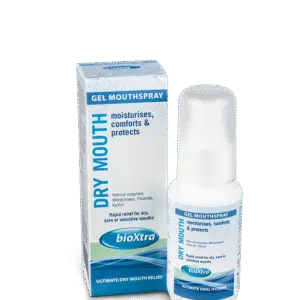

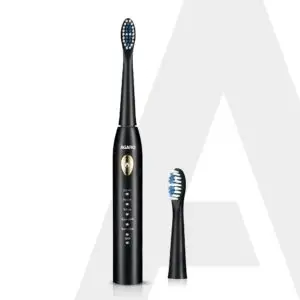



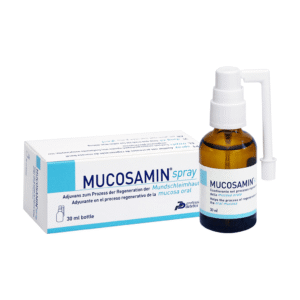
Some links are affiliate links. If you buy through them, ItHurts.com may earn a small commission at no extra cost to you.
What professional care may involve
A dentist is often the first stop for jaw pain. They may check your bite, look for signs of grinding, and examine the joint and muscles. If grinding is suspected, a custom night guard (an oral splint) may be suggested. Physical therapists experienced with jaw problems can teach exercises and techniques to relax and strengthen the muscles. If stress or anxiety plays a role, talking therapies can help too. Most people improve with these conservative approaches, and more invasive options are rarely needed.
Living with a sensitive jaw
Jaw pain can affect eating out, long phone calls, singing, kissing and sleep, and it often flares in stressful periods. Many people find that learning their personal triggers, such as long workdays, poor sleep or certain foods, helps them respond earlier. Keeping a short log of flares can also be useful at appointments.
It also helps to know that clicking on its own, without pain or locking, is common and often doesn't need any treatment. What matters more is whether the jaw hurts, catches, or limits how far you can open your mouth. Focusing on those changes, rather than every small sound, can take some of the worry out of living with a sensitive jaw.
Pulling it together
Most jaw pain comes from tight chewing muscles or the jaw joint and improves with rest, warmth, gentle movement and less clenching. Dental, sinus and nerve problems can mimic it, and jaw pain with chest symptoms is an emergency.
Talk it over with others
Use the free Pain Check-Up to map your symptoms, and connect in our dental and mouth pain groups.
Join the Jaw Pain GroupReviewed by the ItHurts editorial team · Last reviewed 18 October 2026 · General information, not medical advice. If you are worried about your symptoms, talk to a doctor.