


Everyone has advice about joints
Mention sore knees or stiff hands at a family dinner and you'll hear plenty of opinions. Stop running. Don't crack your knuckles. It's the weather. It's just age. Some of these hold a grain of truth; others can quietly keep people from doing the very things that help.
This article isn't a full guide to every cause of joint pain. Instead, it takes the beliefs people most often bring up and looks at what mainstream medical advice generally says about them. It's meant to help you ask better questions and make more confident day-to-day decisions, alongside advice from your own clinician.
Myth: "Sore joints need rest"
Short periods of rest can help during an acute flare or right after an injury. But for long-term joint pain, especially osteoarthritis, prolonged rest tends to make things worse: muscles weaken, joints stiffen, and everyday tasks get harder. Most guidance for ongoing joint pain recommends regular, gentle activity. The aim is the right amount of movement, adjusted on bad days, rather than none at all.
Myth: "Exercise wears your joints out"
Joints are designed to move and generally do better with regular use. Strengthening the muscles around a joint can reduce the load it carries, and low-impact activities like walking, cycling, swimming and water exercise are widely recommended for people with arthritis. That doesn't mean pushing through sharp pain. A physical therapist can help you find the right type and amount for your joints.
Myth: "No pain, no gain"
The opposite belief to "rest is best" can be just as unhelpful. Pushing hard through sharp or rising pain, or doing far more on a good day to make up for lost time, often leads to a flare that sets you back. Many physical therapists suggest pacing: doing a steady, manageable amount most days, and judging the right level by how the joint feels later that evening and the next morning. Mild discomfort that settles is usually acceptable; pain that lingers or keeps building is a sign to scale back.
Myth: "Cracking your knuckles causes arthritis"
Research has not shown a clear link between habitual knuckle cracking and arthritis. Painless popping and clicking in joints is very common and usually harmless. Noise is worth mentioning to a doctor if it comes with pain, swelling, locking or the joint giving way.
Myth: "The weather thing is all in your head"
Many people with joint pain say they can feel a change in the weather coming. Studies on this have produced mixed results, so scientists haven't settled exactly how strong the link is. What matters is your own experience. If cold or damp days are harder, it's reasonable to plan for them with warm layers, a warm shower in the morning, and indoor movement.
Myth: "Joint pain is just part of getting older"
Joint pain does become more common with age, but it isn't something you simply have to accept. Plenty of older adults have little joint pain, and many effective approaches exist. It's also worth remembering that joint pain isn't only an older person's problem: inflammatory types of arthritis can start in young adults and need prompt assessment.
Myth: "If the X-ray looks bad, the pain must be bad"
Imaging and symptoms don't always match. Some people have significant changes on an X-ray with mild pain, and others have a lot of pain with fairly mild findings. Scans are one piece of information. How you move, what you can do, and how you feel matter just as much in deciding what to do next.
Myth: "A supplement or special diet will fix it"
Many supplements are marketed for joints, but evidence for most of them is limited or mixed, and quality varies. Some can interact with medicines. A balanced diet and, where relevant, gradual weight loss can reduce load on weight-bearing joints, which many people find helps. Before starting any supplement, it's worth asking your doctor or pharmacist.
Myth: "It's fine to wait and see"
For mild aches that come and go, waiting a little while is often reasonable. But some signs mean you should get help quickly:
- A hot, red, swollen joint, especially with fever: seek same-day care, as infection needs urgent attention
- Sudden severe joint pain without an obvious cause
- A joint that looks deformed, or that you can't move or put weight on after an injury
- Swelling and stiffness in several joints, particularly with morning stiffness lasting more than about half an hour
- Joint pain with a rash, eye inflammation, weight loss or feeling generally unwell
- Pain that keeps getting worse over a few weeks
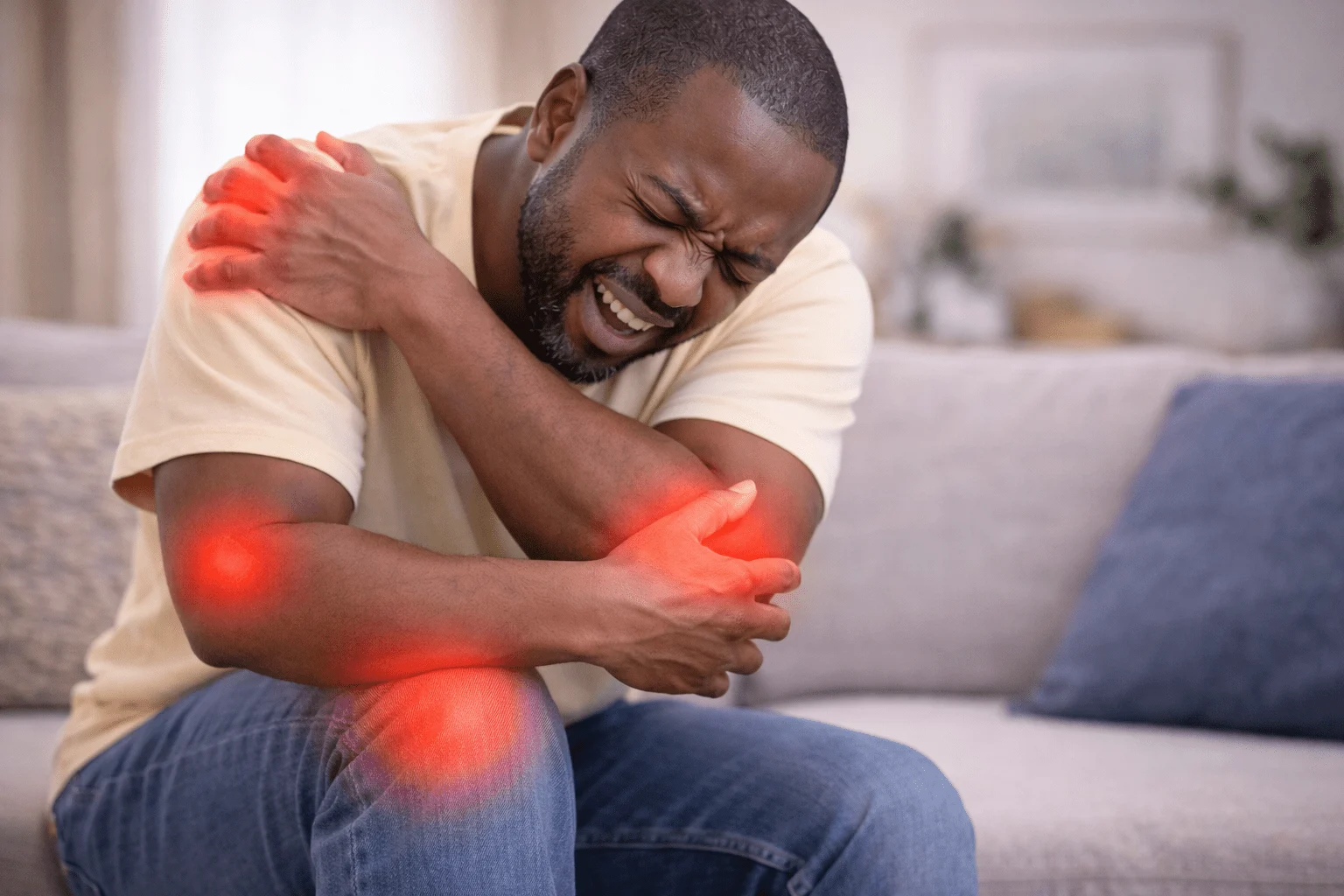
Questions worth bringing to your appointment
- What do you think is causing my joint pain, and how sure are we?
- Which activities are safe for me, and how much should I do?
- Would physical therapy or a structured exercise program help?
- What should I do during a flare?
- Are there signs that should make me call you sooner?
- Are there options I haven't tried yet?
Bringing a short symptom log, with which joints hurt, when, and what helps, makes the conversation more productive.
The bottom line
Many common beliefs about joint pain don't hold up. Regular, sensible movement usually helps more than rest, painless cracking is generally harmless, and joint pain isn't something you simply have to accept with age. Hot, swollen or rapidly worsening joints need prompt care.
If you want a clearer picture of your own pattern, our free Chronic Pain Check-Up can help. You'll find others who understand in the arthritis and autoimmune groups.
Sources
- NHS: Joint pain
- MedlinePlus (US National Library of Medicine): Joint pain
- Cleveland Clinic: Joint Pain
Compare notes with others
Our arthritis and joint pain Chronic Pain Groups are a friendly place to share what's helping and what isn't.
Browse Joint Pain GroupsReviewed by the ItHurts editorial team · Last reviewed 18 October 2026 · General information, not medical advice. If you are worried about your symptoms, talk to a doctor.