


The two places your neck spends most of its time
Between work and sleep, many of us spend the bulk of every day either at a screen or in bed. If your neck aches by mid-afternoon or you wake up stiff and unable to turn your head, these two settings are a good place to look first.
This article is deliberately narrow. It focuses on practical adjustments at your desk, with your devices, and in bed. For a broader look at causes, symptoms and care options, see our full neck pain guide. None of these tips replace advice from your own doctor or physical therapist.
Why position matters so much
Your head is heavy, and the neck muscles work constantly to hold it up. When the head drifts forward, toward a laptop or down toward a phone, those muscles have to work harder to keep it balanced. Holding any position for a long time, even a "good" one, can leave muscles tired and stiff. The goal is not perfect posture but a setup that makes comfortable positions easy, and plenty of chances to move.
Setting up your desk
- Screen height. Aim for the top of the screen to be roughly at or just below eye level, so you look straight ahead or slightly down. A stack of books works if you do not have a monitor stand.
- Screen distance. About an arm's length away is a common starting point. If you find yourself leaning in, increase the text size rather than moving closer.
- Chair. Sit with your back supported, hips slightly higher than or level with your knees, and feet flat on the floor or a footrest.
- Keyboard and mouse. Keep them close enough that your elbows rest near your sides and your shoulders stay relaxed, not hunched.
- Documents. If you work from papers, a document holder beside the screen saves you looking down repeatedly.
- Two monitors. Place your main screen directly in front of you, so you are not turning your head to one side for hours.
- Glasses. If you wear bifocals or progressives, you may tilt your head back to see the screen. Ask your eye care provider whether computer glasses could help.
Laptops and phones
Laptops make it hard to get both the screen and the keyboard in good positions at once. For regular use, many people raise the laptop on a stand and use a separate keyboard and mouse.
With phones, the habit of looking down for long stretches is the main strain. Try raising the phone closer to eye level, using voice-to-text for longer messages, propping your elbow on something when reading, and taking breaks from scrolling. For long calls, a headset or speakerphone avoids cradling the phone between ear and shoulder.
Relief picks for neck pain
Hand-picked by ItHurts · an everyday option, a best overall and a clinical-grade upgrade
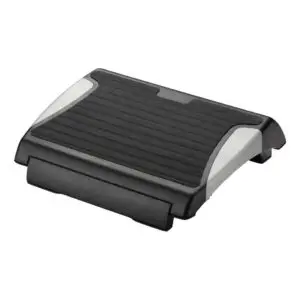
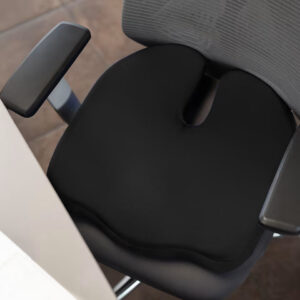
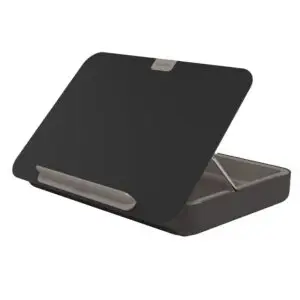


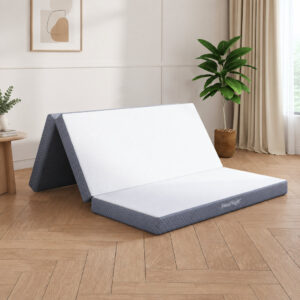

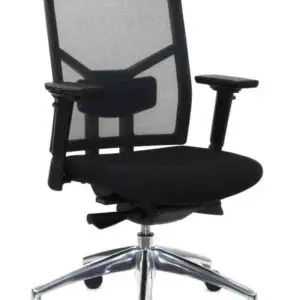
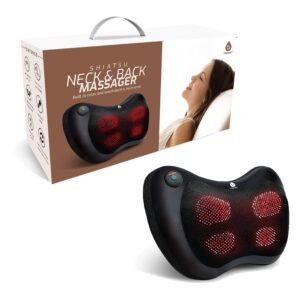


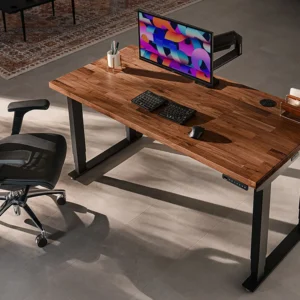


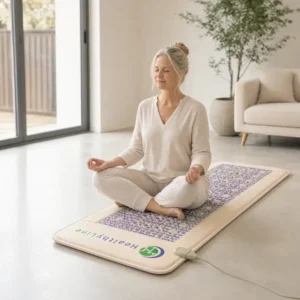
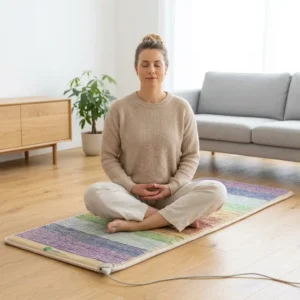

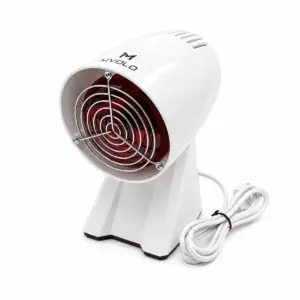
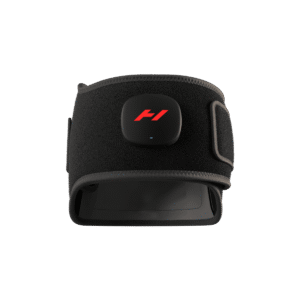

Some links are affiliate links. If you buy through them, ItHurts.com may earn a small commission at no extra cost to you.
Breaks and micro-movements
Even an ideal setup will not prevent stiffness if you stay still for hours. Many people find these habits help:
- Get up or change position every 30 to 45 minutes. A timer or app reminder can help.
- Do a few gentle movements: slowly turn the head side to side, tilt the ear toward the shoulder, roll the shoulders back, and gently tuck the chin as if making a double chin.
- Walk to refill water, take a call standing, or stretch while files load.
- Notice and release tension in your jaw and shoulders a few times a day.
Move within a comfortable range. Stretches should feel like mild tension, never sharp pain, numbness or tingling.

Pillows and sleep positions
A good sleep setup keeps your neck roughly in line with the rest of your spine:
- Back sleepers often do well with a thinner pillow, or one with extra support under the curve of the neck, so the head is not pushed forward.
- Side sleepers usually need a slightly higher pillow that fills the gap between the ear and the mattress, keeping the head level rather than tilted.
- Stomach sleeping forces the head to turn to one side for hours and is the position most likely to leave the neck stiff. If you can, try gradually shifting to your side, perhaps hugging a pillow.
Pillows lose support over time, so if yours stays flattened or lumpy, it may be time for a new one. There is no single best pillow; comfort and alignment for your body are what matter. Some people also find that a warm shower before bed or gentle heat on the neck helps them settle.
Driving, commuting and carrying
- Adjust the car headrest so it sits close to the back of your head, with the middle of it roughly level with the top of your ears.
- Sit close enough to the wheel that you are not reaching or craning forward.
- On public transport, hold reading material higher rather than bending down over it.
- Switch heavy shoulder bags for a backpack worn on both shoulders, or lighten what you carry.
Signs it is not just your setup
Seek urgent medical care for:
- Neck pain after a fall, car accident or other injury
- Stiff neck with fever, headache, sensitivity to light or a rash
- Weakness, numbness, or clumsiness in the arms or legs, or trouble walking
- Loss of bladder or bowel control
- A sudden, severe headache, or neck pain with chest pain or shortness of breath
See a doctor if pain spreads down the arm, keeps you awake, comes with unexplained weight loss, or has not improved within a few weeks despite changes like these.
Bottom line
Small, practical changes, such as raising your screen, bringing your keyboard closer, putting the phone up, moving every half hour, and choosing a pillow that keeps your neck level, help many people with everyday neck strain. If symptoms persist or come with any warning signs, get checked.
To get a clearer picture of your symptoms, take the free Pain Check-Up before your next appointment.
Share What Works for You
Members of our neck pain group swap desk setups, pillow finds and stretching routines.
Join the Neck Pain GroupReviewed by the ItHurts editorial team · Last reviewed 18 October 2026 · General information, not medical advice. If you are worried about your symptoms, talk to a doctor.