


The pain few people talk about
Many people with pelvic floor pain spend a long time not knowing what to call it. They describe a deep ache, pressure or heaviness low in the pelvis, burning or stabbing that comes and goes, discomfort when sitting, pain with sex, or a feeling that they can't fully empty their bladder or bowel. Tests may come back "normal," and it is easy to start wondering if it is all in your head.
It isn't. The pelvic floor is a group of muscles, and like any muscles they can become tight, weak, uncoordinated or painful. Pelvic floor problems affect women and men, younger and older people, athletes and people who sit all day. Naming the problem is often the first step toward help.
What the pelvic floor does
Picture a hammock of muscles stretching from the pubic bone at the front to the tailbone at the back, and between the sit bones on each side. These muscles support the bladder, bowel and, in women, the uterus. They help you hold in urine, stool and gas, then relax so you can go. They play a part in sexual function, posture and breathing, and they work as a team with the deep abdominal and back muscles.
Too tight, too weak, or out of sync
Pelvic floor problems tend to fall into two broad patterns, and many people have elements of both:
- Overactive or tight. The muscles stay tense and struggle to relax. This is often linked with pain, burning, pain during or after sex, difficulty starting urination, constipation, and aching after sitting.
- Underactive or weak. The muscles don't provide enough support. This is more often linked with leaking when you cough, laugh or exercise, urgency, or a feeling of heaviness or bulging.
This is why generic advice can backfire. Squeezing exercises may help weak muscles, but they can make tight, painful muscles worse. A trained pelvic floor physical therapist can work out which pattern you have.
Common contributors
- Pregnancy, childbirth and the postpartum months
- Long-term constipation and straining
- Prolonged sitting, or activities such as cycling
- Heavy lifting or high-impact exercise without recovery
- Surgery or injury in the pelvic area, including falls onto the tailbone
- Conditions such as endometriosis, interstitial cystitis (painful bladder), irritable bowel syndrome and prostatitis
- Menopause and hormonal changes
- Stress, anxiety and past trauma, which can lead to unconscious clenching
Relief picks for pelvic floor pain
Hand-picked by ItHurts · an everyday option, a best overall and a clinical-grade upgrade
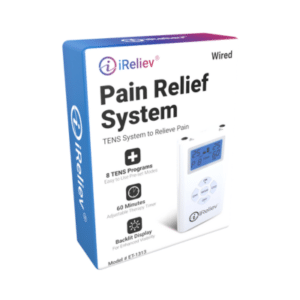

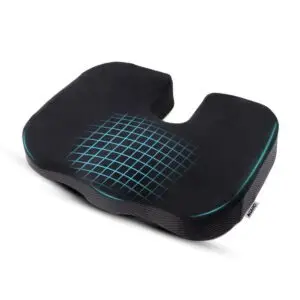
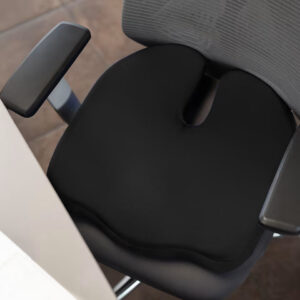


Some links are affiliate links. If you buy through them, ItHurts.com may earn a small commission at no extra cost to you.
When to get checked promptly
- Sudden, severe pelvic or abdominal pain: seek urgent care
- Pelvic pain with fever, chills, or unusual or foul-smelling discharge
- New loss of bladder or bowel control, or numbness around the groin: seek emergency care
- Blood in your urine or stool, or unexpected vaginal bleeding, including any bleeding after menopause
- Pain during pregnancy that is severe or comes with bleeding
- A lump or bulge at the vaginal opening or rectum
- Pain that keeps getting worse or disrupts daily life
A doctor will usually want to rule out infection and other conditions before focusing on the muscles. It's fine to ask directly about pelvic floor dysfunction and a referral to a pelvic floor physical therapist.
What pelvic floor therapy may involve
Pelvic floor physical therapists are trained to assess and work with these muscles. Sessions may include learning how to relax and coordinate the muscles, breathing techniques, stretches for the hips and inner thighs, posture and toileting advice, and sometimes biofeedback or hands-on techniques. An internal exam may be offered, but you can always ask questions, set limits or decline. Progress often takes weeks to months.
To find a therapist, ask your doctor, gynecologist or urologist for a referral, or look for a physical therapist who lists pelvic health as a specialty. Before the first visit, it helps to jot down your main symptoms, what makes them better or worse, and your goals, whether that's sitting through a workday, exercising again, or having comfortable sex.
Gentle things to try at home
Relaxation and breathing
- Belly breathing: lying down, breathe slowly into your lower belly and feel it rise; as you breathe in, imagine the pelvic floor gently softening and dropping
- A few minutes of quiet relaxation or guided body scans each day
Movement
- Child's pose, happy baby or gentle hip circles, if comfortable
- Short, easy walks to break up sitting
Everyday comfort
- A cushion or a seat with a cut-out to reduce direct pressure
- Warm baths or a heating pad on the lower belly or back
- Fiber, fluids and a footstool under your feet on the toilet to make bowel movements easier without straining
- Not "just in case" urinating, which can train the bladder to feel urgent more often

Work, sleep, relationships and mood
Pelvic floor pain can touch every part of life. Alternating sitting and standing at work, sleeping on your side with a pillow between the knees, and planning breaks on long trips often help. Pain with sex is common and can strain relationships; talking openly with a partner, exploring other kinds of intimacy while you heal, and raising it with your clinician are all reasonable steps. Ongoing pelvic pain also affects mood and confidence, and counseling or pain psychology can be part of a good care plan.
Moving forward
Pelvic floor pain is real, common and often linked to muscles that are too tight, too weak or poorly coordinated. A medical check to rule out other causes, then guidance from a pelvic floor physical therapist, helps many people. Relaxation, breathing, smart sitting and easier bowel habits support that work at home.
If you're trying to make sense of your symptoms, our free Pain Check-Up is a good start. You can also read and share in our pelvic, hip and groin pain groups.
Talk openly, without embarrassment
Our pelvic floor pain group is a respectful space to ask the questions that feel hard to say out loud.
Join the Pelvic Floor GroupReviewed by the ItHurts editorial team · Last reviewed 18 October 2026 · General information, not medical advice. If you are worried about your symptoms, talk to a doctor.