

When Prostate Pain Turns Your Pelvis Into the Main Character 😫
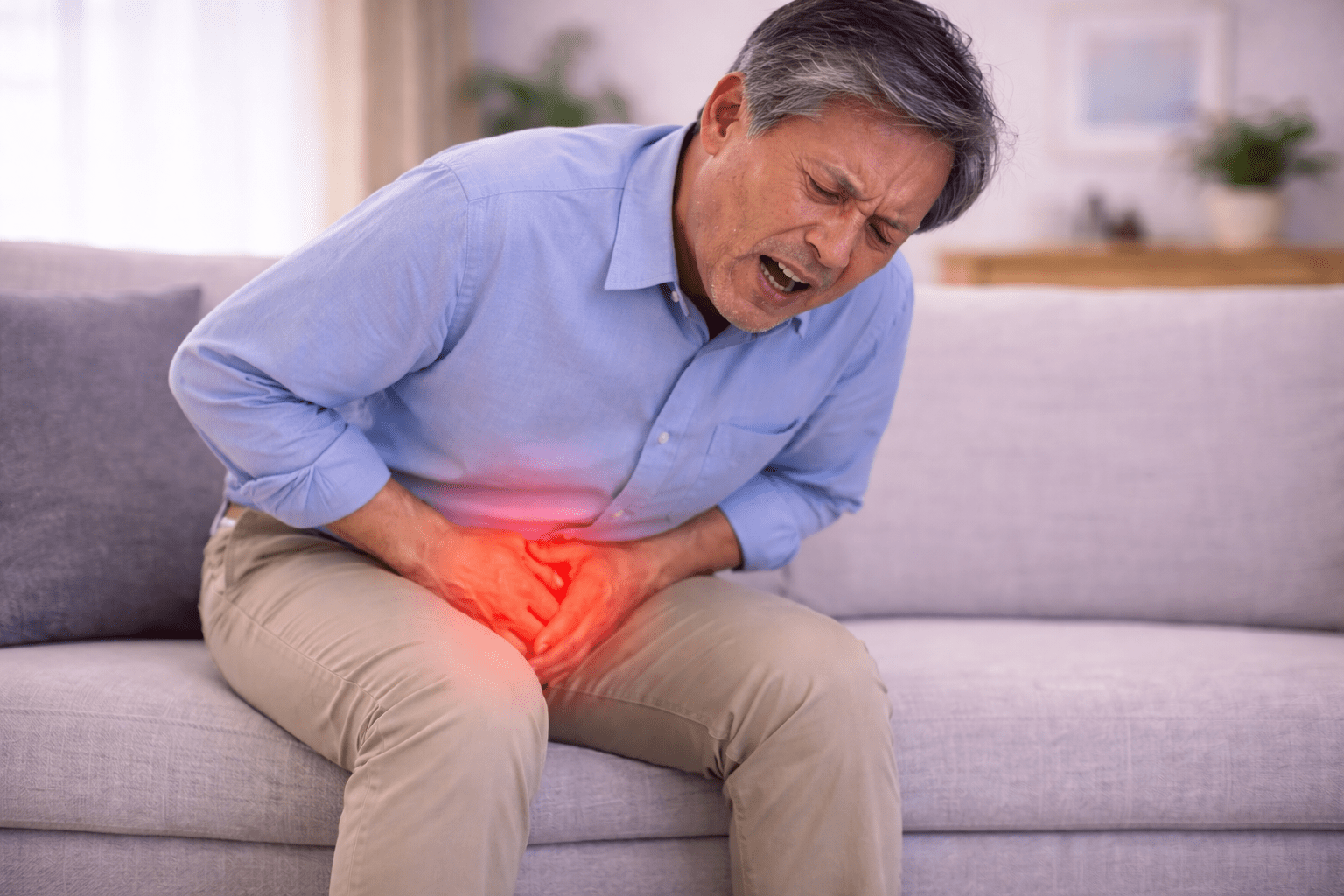
Prostate pain has a way of making you suddenly aware of every inch of your lower body—like your pelvis started sending group texts you never signed up for. Sitting, walking, or simply existing can turn into a full production.
Some days it feels like a deep ache. Other days it’s sharp, pressurized, or just constantly “there.” And explaining it to someone who’s never felt it? That’s a challenge all on its own.
Quick note: This isn’t medical advice—just friendly information and encouragement. Always talk with a qualified professional about your own situation.
What’s Actually Going On? 🧠🩺
The prostate is a small gland located below the bladder and in front of the rectum. It’s tiny—but when it’s irritated, inflamed, or under pressure, it can cause outsized discomfort.
Think of prostate pain like a smoke alarm: loud, persistent, and impossible to ignore.
- Inflammation or irritation (often called prostatitis)
- Pelvic floor muscle tension or spasms
- Long periods of sitting
- Urinary or kidney-related irritation
- Sometimes no clear cause at all
Why It Hurts (and Why You’re NOT Crazy) 😤
Prostate pain is frustrating because it’s internal, awkward to talk about, and unpredictable. That doesn’t make it imaginary—it makes it hard.
When to Call in the Pros ⚠️
- Fever, chills, or sudden illness
- Difficulty urinating
- Blood in urine or semen
- Severe or worsening pelvic pain
- Pain spreading to the back or groin
- Symptoms lasting more than a few days
Home Strategies That Actually Help 🏡
- Softer seating or supportive cushions
- Frequent movement breaks when sitting
- Consistent hydration
- Reducing caffeine, alcohol, and spicy foods
- Warm baths or warm compresses
- Gentle breathing and relaxation techniques
Real-Life Stuff: Work, Sleep & Sanity 😴💼❤️
Prostate pain doesn’t stop at physical discomfort—it affects focus, sleep, relationships, and mood. Small changes, honest communication, and pacing yourself can make daily life more manageable.
You’re Not Alone 🌱
Prostate pain is real, confusing, and often misunderstood—but support exists. With the right care, patience, and community, improvement is possible.
Join the ItHurts Community 💬
Connect with people who truly understand prostate pain and pelvic health.
Join the CommunityThis content is educational and supportive only and does not replace professional medical care.