PTSD Is a Survival Response
Post-traumatic stress disorder (PTSD) is not weakness. It is the result of a brain that learned how to survive danger — and has difficulty switching that system off, even when the threat has passed.
Your reactions are not random. Your nervous system adapted to protect you. The fact that it still reacts means it learned its job effectively.
Quick note: This is not medical advice. Always consult a qualified professional for your situation.
What’s Actually Happening in the Brain 🧠
PTSD keeps the brain in a heightened threat-detection state. The amygdala signals danger rapidly, while the rational brain has difficulty calming the response — even in safe environments.
- Hypervigilance and constant alertness
- Flashbacks or intrusive memories
- Sleep disruption and nightmares
- Emotional numbness or overwhelm
- Strong reactions to triggers
Why It Feels So Intense 😤
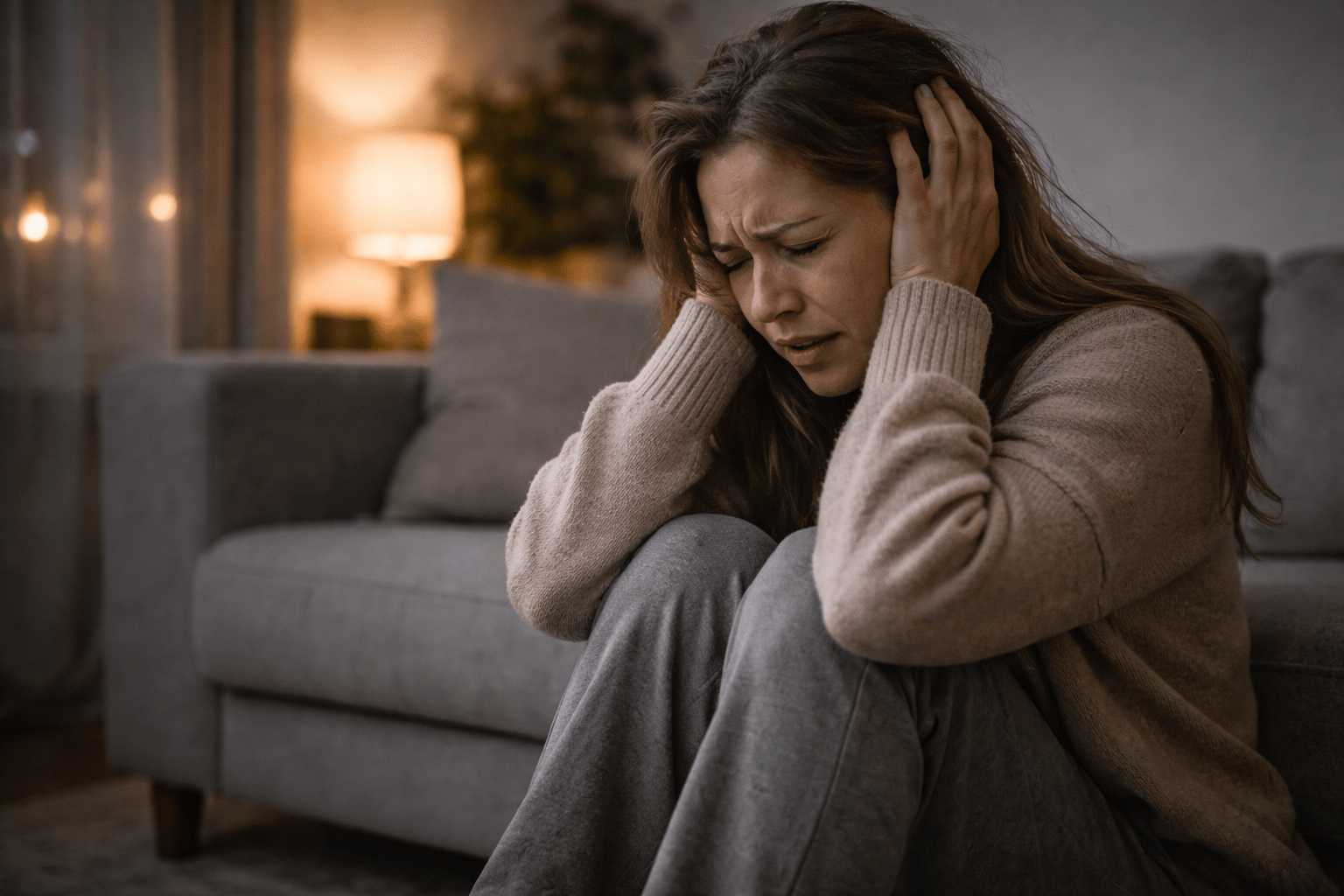
Living in a constant state of alert affects sleep, focus, relationships, and emotional stability. The body remains prepared for danger, which can feel exhausting and overwhelming.
This is not a personal failure — it is a biological response to past experience.
When to Seek Professional Support ⚠️
- Flashbacks or dissociation disrupting daily life
- Chronic nightmares or severe sleep disturbance
- Persistent panic, fear, or hyper-alertness
- Feeling unsafe or disconnected from reality
- Thoughts of self-harm or hopelessness
Supportive Strategies 🌱
- Create predictable routines to increase safety
- Reduce sensory overload when possible
- Use grounding tools (touch, sound, temperature)
- Practice slow breathing or gentle movement
- Break tasks into small, manageable steps
Recovery Is Possible 🌱
Healing from PTSD takes time, support, and consistency. Progress may feel slow, but it is real.
Safety can be rebuilt. Stability can return.
Outlook 💛
PTSD does not define your future. With the right care and support, it is possible to regain a sense of safety, control, and balance.
Join the ItHurts Community 💬
Connect with others who understand trauma, triggers, and the strength it takes to heal.
Join the CommunityThis content is for education and support only and does not replace professional mental health care.