United States
Afghanistan
Albania
Algeria
Andorra
Angola
Argentina
Armenia
Australia
Austria
Azerbaijan
Bahrain
Bangladesh
Barbados
Belarus
Belgium
Belize
Benin
Bhutan
Bolivia
Bosnia and Herzegovina
Botswana
Brazil
Brunei
Bulgaria
Burkina Faso
Burundi
Cambodia
Cameroon
Canada
Cape Verde
Central African Republic
Chad
Chile
China
Colombia
Comoros
Congo
Costa Rica
Croatia
Cuba
Cyprus
Czech Republic
Denmark
Djibouti
Dominican Republic
Ecuador
Egypt
El Salvador
Estonia
Ethiopia
Finland
France
Gabon
Gambia
Georgia
Germany
Ghana
Greece
Guatemala
Guinea
Guyana
Haiti
Honduras
Hungary
Iceland
India
Indonesia
Iran
Iraq
Ireland
Israel
Italy
Jamaica
Japan
Jordan
Kazakhstan
Kenya
Kuwait
Kyrgyzstan
Laos
Latvia
Lebanon
Lesotho
Liberia
Libya
Lithuania
Luxembourg
Madagascar
Malawi
Malaysia
Maldives
Mali
Malta
Mauritania
Mauritius
Mexico
Moldova
Mongolia
Montenegro
Morocco
Mozambique
Myanmar
Namibia
Nepal
Netherlands
New Zealand
Nicaragua
Niger
Nigeria
Norway
Oman
Pakistan
Panama
Paraguay
Peru
Philippines
Poland
Portugal
Qatar
Romania
Russia
Rwanda
Saudi Arabia
Senegal
Serbia
Singapore
Slovakia
Slovenia
South Africa
South Korea
Spain
Sri Lanka
Sudan
Sweden
Switzerland
Syria
Taiwan
Tajikistan
Tanzania
Thailand
Turkey
Turkmenistan
Uganda
Ukraine
United Arab Emirates
United Kingdom
United States
Uruguay
Uzbekistan
Venezuela
Vietnam
Yemen
Zambia
Zimbabwe
3 min read 480 words 471 views

Saunders — Full Guide

Clinical-Grade Traction Support for Injuries, Sports Recovery & Post-Surgical Rehabilitation

Neck, spine, and nerve-related injuries—along with sports strain and post-surgical recovery—can lead to persistent pain, stiffness, nerve compression, reduced mobility, and difficulty resting comfortably. Common challenges include cervical or lumbar tension, disc-related discomfort, radiating pain, and delayed recovery following orthopedic procedures.

Saunders traction systems are designed to provide controlled, mechanical traction that helps gently decompress the spine and reduce pressure on discs and nerves. When used under professional guidance, traction-based support may help ease muscular tension, improve alignment, support nerve comfort, and promote recovery—making Saunders a trusted option in physiotherapy, sports rehabilitation, and post-surgical care programs.
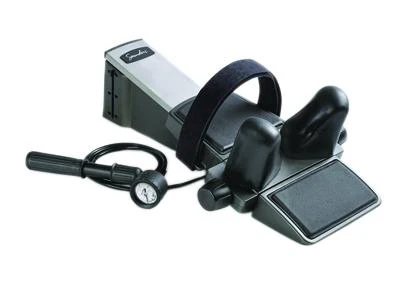
Saunders traction device supporting spinal injury recovery, sports rehabilitation and post-surgical healing

Recommended Products

1

Saunders Cervical Traction – HomeTrac

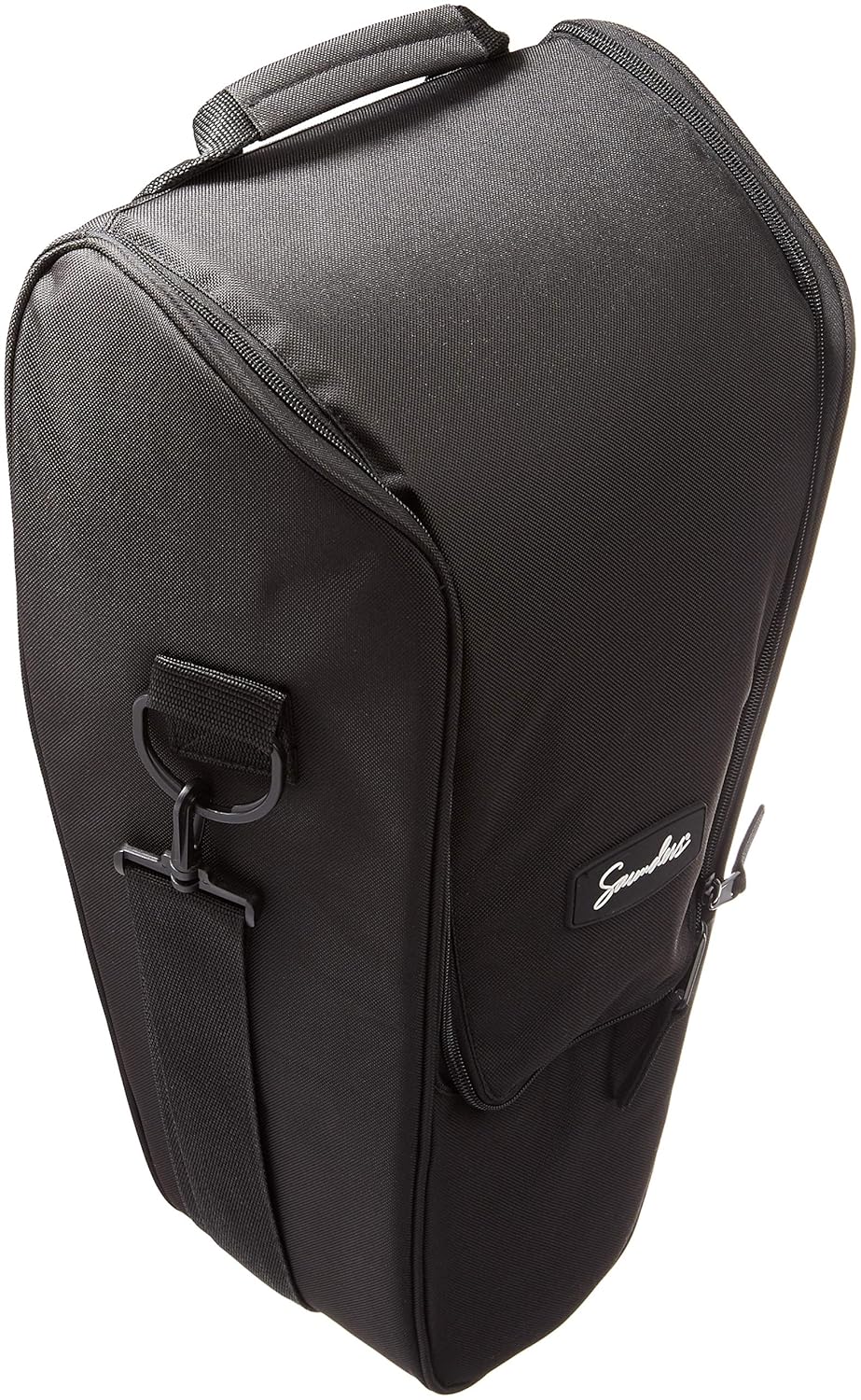
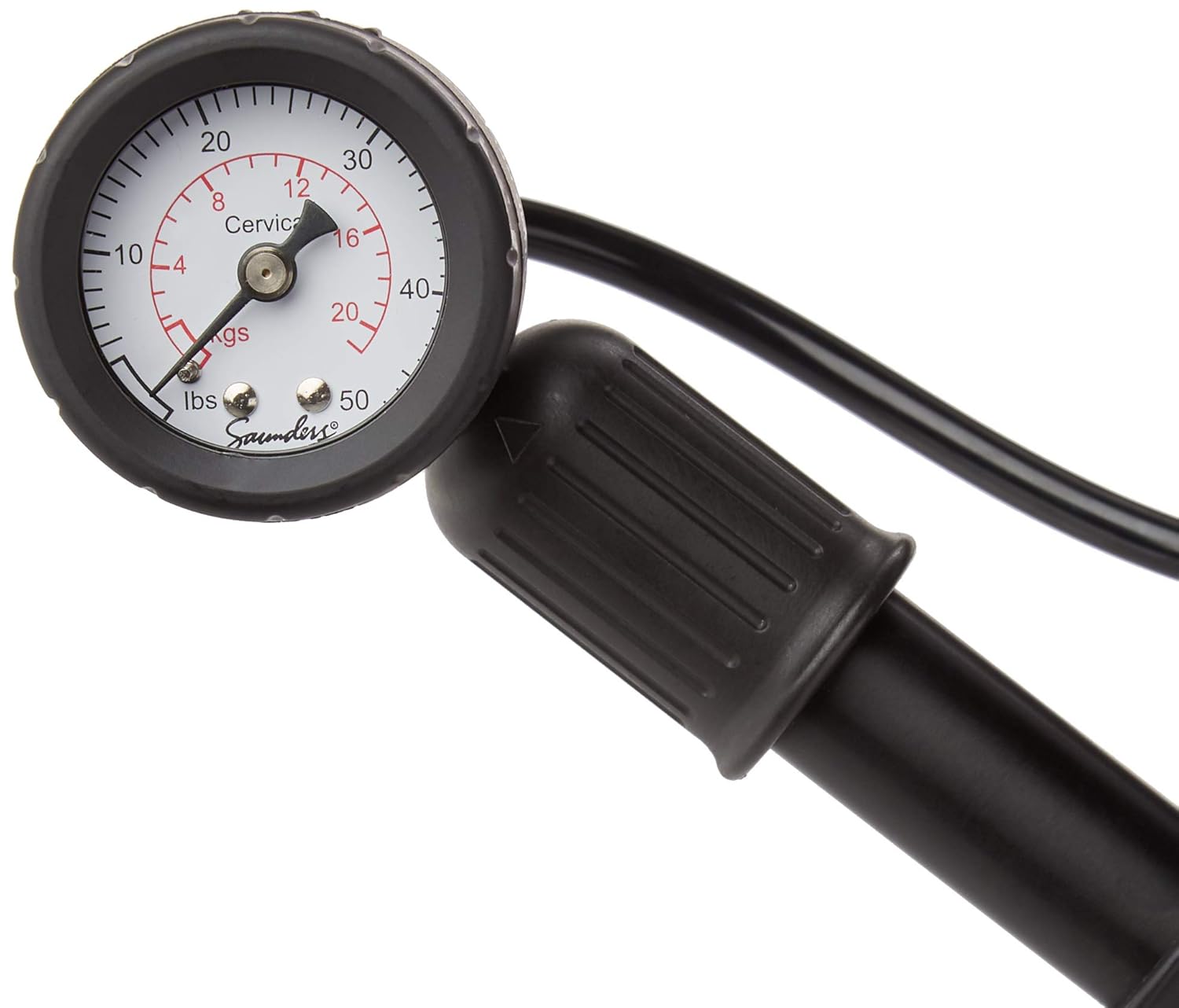
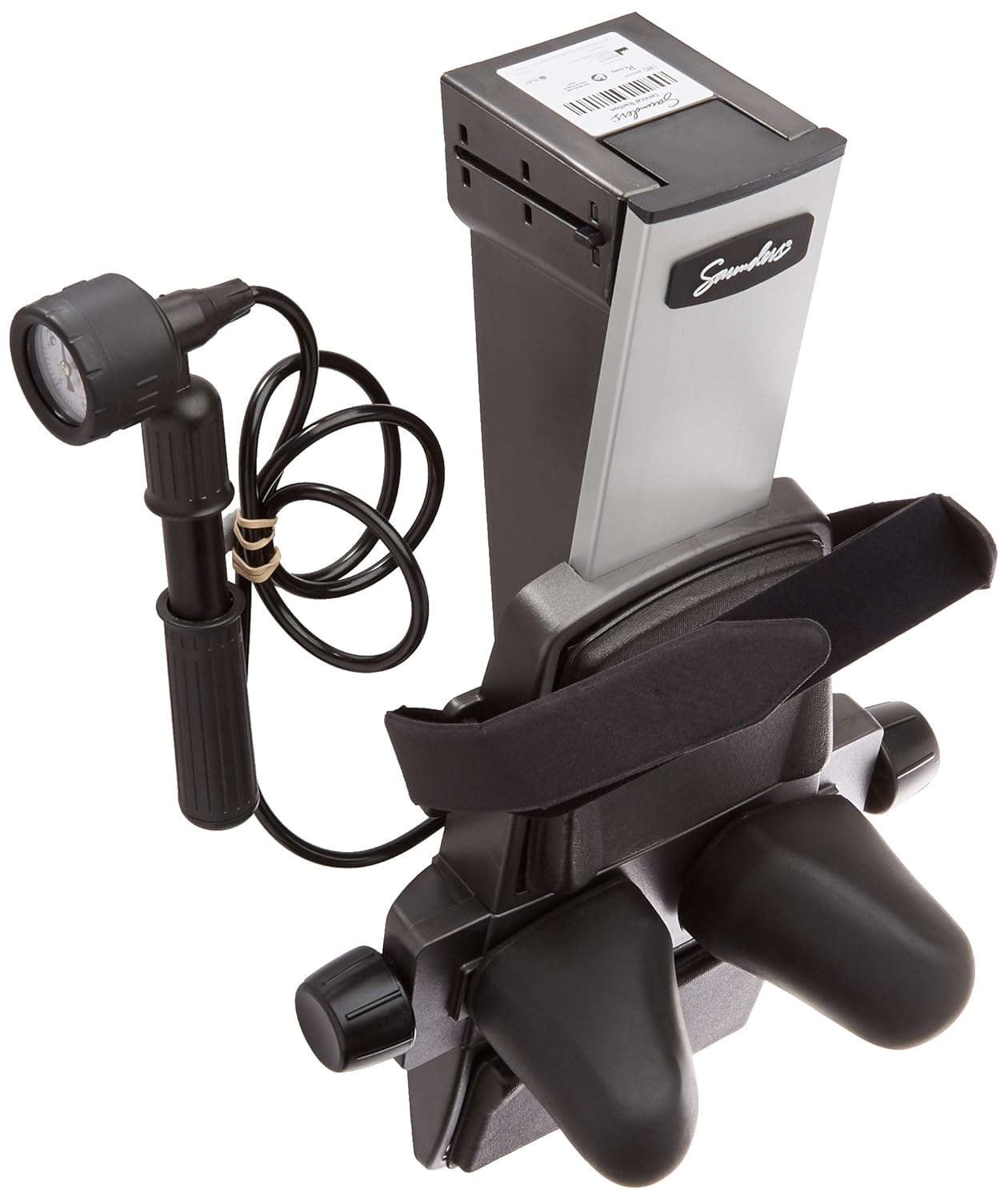
Saunders Cervical Traction is a clinically designed spinal decompression system used to relieve pressure on the cervical spine by applying controlled traction to the neck. This helps gently separate vertebrae, reduce nerve compression, restore alignment, and improve circulation to discs and soft tissues — key components of healing after injury or surgery.

  • Provides controlled decompression to ease nerve irritation and disc pressure

  • Helps reduce neck stiffness and discomfort after injury or surgery

  • Supports improved cervical alignment and posture

  • Adjustable to user’s comfort level

  • Should be used with medical guidance, especially post-surgery

  • May require an adjustment period

  • Best results as part of a broader recovery plan (with PT, stretching, mobility work)

  • Cervical spine injuries (sprains, strains, overuse)

  • Post-surgical neck recovery (with clinician clearance)

  • Nerve compression, disc irritation, or stiffness

  • Athletes needing structural spinal support

  • Users report noticeable reduction in neck tightness and pain

  • Many note improved range of motion after sessions

  • Frequently praised for being gentle yet effective

⭐ Quick Summary

Feature Summary
Therapy Type Cervical traction (spinal decompression)
Target Benefits Nerve relief, alignment, reduced stiffness
Best For Injury rehab, post-surgical stiffness, breath posture
Session Use Gradual, clinician-guided positioning
Intensity Adjustable, gentle to moderate
Overall Recovery Support ⭐⭐⭐⭐

Frequently Asked Questions

1. What does cervical traction do?

Traction gently separates neck vertebrae to reduce nerve compression, improve alignment, and ease stiffness, supporting recovery after injury or surgery.


2. Is it safe after neck surgery?

Only with medical guidance. Your clinician should approve traction based on healing stage and surgical approach.


3. How often should I use it?

Usage varies by need and clinician recommendation, but short, controlled sessions (10–20 min) often provide the best results without overloading tissues.


4. Does it help with nerve pain?

Yes — by reducing pressure on nerve roots, traction can help decrease radiating pain, tingling, or numbness associated with nerve irritation.


5. Can athletes use this after sports injuries?

Yes. When cleared by a clinician, cervical traction supports recovery from neck sprains, overuse injuries, and muscular tension common in sports.

Still Looking for the Right Injury & Post-Surgical Solution?

Injury & Post-Surgical affects everyone differently — finding the right solution can make your daily life easier and more comfortable.