Shopping Cart
CloseNo products in the cart.
Filter
close
Conquering Neuropathy: Inspiring Stories of Triumph Over Pain
Author: ItHurts.com
A Comprehensive Talk on Conquering Neuropathy
Understanding the Basics:
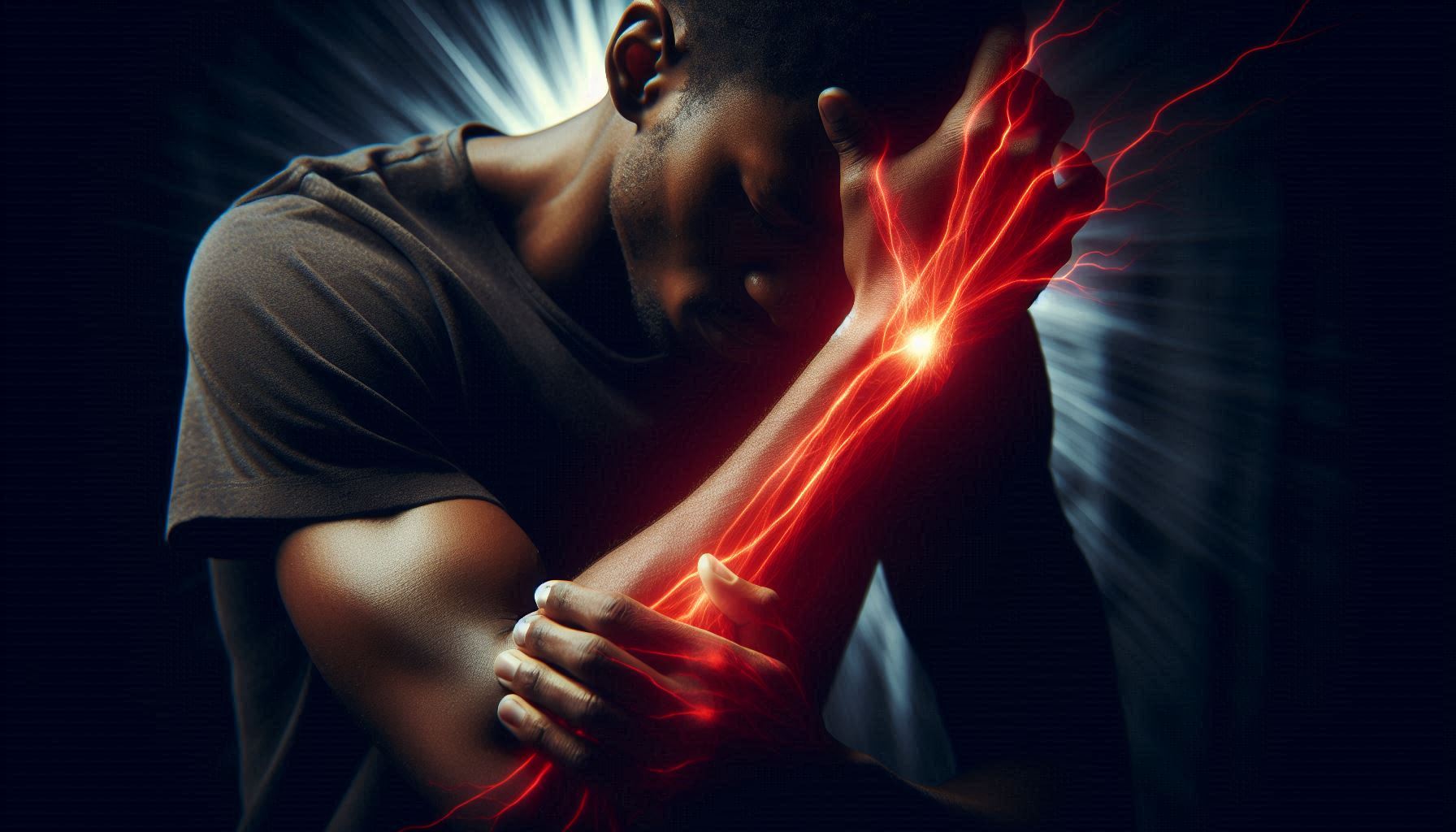
Neuropathic pain can feel like a never-ending battle. For many, the condition, characterized by nerve damage and its associated burning, tingling, or stabbing sensations, can be isolating and overwhelming. Yet, amidst the struggle, stories of hope emerge—stories of individuals who have found ways to manage, and even thrive, despite their pain. These narratives illuminate the transformative power of perseverance, innovation, and community, providing inspiration for others navigating similar challenges.
Description of Migraine Pain
Migraines typically manifest as intense, throbbing pain that often affects one side of the head but can shift or affect both sides. Unlike a standard headache, migraines are often accompanied by additional symptoms such as:
- Aura: Visual disturbances such as flashing lights, zigzag patterns, or blind spots.
- Sensitivity: Extreme sensitivity to light, sound, or smells.
- Nausea and Vomiting: Accompanying digestive discomfort.
- Duration: Migraines can last from a few hours to several days.
- Intensity: Pain ranges from moderate to severe, often described as pulsating or pounding.
Migraines are classified into several types:
- Migraine with Aura: Characterized by sensory disturbances before the headache.
- Migraine without Aura: No pre-headache warning signs.
- Chronic Migraine: Occurring 15 or more days per month.
- Silent Migraine: Aura symptoms without the headache.
Emma’s Path to Peace: Mindfulness and Acupuncture
Emma, a 42-year-old graphic designer from Seattle, first began experiencing neuropathic pain after a car accident that caused nerve damage in her lower back. For years, she described her pain as a “constant fire burning down my legs.” Traditional medications offered little relief, leaving her frustrated and exhausted.
Discovering Acupuncture
Emma’s breakthrough came after a friend recommended acupuncture. Although skeptical, Emma was willing to try anything. After just a few sessions, she noticed a reduction in her pain levels. Over several months, her sessions, combined with gentle yoga, began to drastically improve her quality of life.
Incorporating Mindfulness
Emma also started practicing mindfulness meditation. She found it helped her emotionally cope with the bad days when pain flared up. “Mindfulness taught me to accept my pain without letting it define me,” she shared.
Key Takeaways
- Standout Strategies: Acupuncture, yoga, and mindfulness.
- Advice for Others: Be open to trying alternative therapies and give them time to work.
Mark’s Revolution: Embracing Wearable Technology
Mark, a 55-year-old IT consultant from Austin, has diabetic neuropathy. For years, the sharp, stabbing pains in his feet made walking unbearable. Frustrated by the lack of long-term relief from medications, he began researching innovative solutions.
A Game-Changing Device
Mark discovered a wearable device that uses transcutaneous electrical nerve stimulation (TENS). After consulting his doctor, he began wearing the device daily. The technology delivered small electrical impulses to disrupt pain signals, significantly reducing his discomfort.
A New Lease on Life
Within weeks, Mark was able to resume activities he’d given up, such as hiking with his wife. “The device gave me freedom I thought I’d lost forever,” he said.
Key Takeaways
- Standout Strategies: TENS device for pain relief.
- Advice for Others: Don’t shy away from exploring new technologies; consult healthcare professionals for guidance.
Maria’s Holistic Healing: Nutrition and Exercise
Maria, 38, from Miami, developed neuropathic pain following chemotherapy for breast cancer. The tingling and numbness in her hands and feet were debilitating, making it difficult to care for her young children.
The Power of Nutrition
Determined to take control, Maria worked with a nutritionist to adopt an anti-inflammatory diet rich in omega-3 fatty acids, leafy greens, and antioxidant-rich foods. Within months, she noticed a decrease in her symptoms.
Rebuilding Through Exercise
She also started swimming, a low-impact exercise that helped strengthen her muscles and improve circulation. “The combination of nutrition and exercise gave me my life back,” Maria shared.
Key Takeaways
- Standout Strategies: Anti-inflammatory diet and swimming.
- Advice for Others: Focus on holistic changes that promote overall health and nerve repair.
James’ Artistic Escape: Creative Expression as Therapy
James, a 60-year-old retired teacher from Denver, developed neuropathic pain in his hands after a severe case of shingles. Writing, his lifelong passion, became an agonizing challenge.
Rediscovering Creativity
To cope, James turned to painting, an activity he had enjoyed as a young man. While his hands still hurt, holding a brush proved less painful than typing. Painting not only served as a distraction but also helped him express the emotions tied to his pain.
Finding Community
James joined an art therapy group, connecting with others dealing with chronic pain. “Sharing my journey through art brought me a sense of healing I didn’t think was possible,” he said.
Key Takeaways
- Standout Strategies: Art therapy and community support.
- Advice for Others: Find a creative outlet that resonates with you and seek a supportive community.
Lila’s Tech-Savvy Turnaround: Apps for Pain Management
Lila, a 29-year-old software developer in New York, developed neuropathic pain after a wrist injury. The constant tingling and numbness made typing—a key part of her job—nearly impossible.
Tech to the Rescue
Lila discovered several mobile apps designed for pain management. One app helped her track triggers, while another guided her through physical therapy exercises tailored for nerve pain. She also used a biofeedback device to monitor stress levels, which she found correlated with pain flares.
A Data-Driven Approach
By analyzing patterns in her pain journal, Lila identified triggers such as prolonged computer use without breaks. Implementing regular intervals of rest and ergonomic adjustments reduced her symptoms dramatically.
Key Takeaways
- Standout Strategies: Pain management apps and biofeedback.
- Advice for Others: Leverage technology to understand and manage your pain effectively.
Takeaways for Managing Neuropathic Pain
The stories of Emma, Mark, Maria, James, Lila, and Paul underscore the diversity of approaches available for managing neuropathic pain. While every individual’s journey is unique, these accounts share common themes of persistence, adaptability, and hope.
Key Strategies Highlighted
- Alternative Therapies: Acupuncture, yoga, mindfulness, and art therapy.
- Technological Innovations: TENS devices, mobile apps, biofeedback, and spinal cord stimulation.
- Lifestyle Changes: Anti-inflammatory diets, regular exercise, and ergonomic adjustments.
Advice for Those Living with Neuropathic Pain
- Consult with healthcare professionals to explore a range of treatment options.
- Be patient and give therapies time to work.
- Seek support from communities or groups that understand your experience.
- Stay open to new methods, whether they involve technology, creativity, or lifestyle shifts.

Final Thoughts:
Living with neuropathic pain is undeniably challenging, but these stories remind us that relief is possible. Whether through alternative therapies, innovative technology, or small lifestyle changes, each person found a path that worked for them. Their journeys are not just tales of survival but testimonies to the strength of the human spirit.
If you or someone you know is struggling with neuropathic pain, consider reaching out to a pain management specialist or exploring support groups. Remember, you’re not alone, and there’s a world of resources available to help you reclaim your life.
Take the first step today. Your story of triumph could inspire others tomorrow.
ItHurts.com is your ally in your endeavor to live pain-free. We offer guidance, resources, and community support to address chronic pain, emotional stress, and physical discomfort. Discover insightful articles, product reviews, recommendations and shared experiences to empower your journey to better health. Remember, if it hurts, we can help!
Related Products
No posts found!
Related Blogs
No posts found!