 United States
▾
United States
▾
 Afghanistan
 Albania
 Algeria
 Andorra
 Angola
 Argentina
 Armenia
 Australia
 Austria
 Azerbaijan
 Bahrain
 Bangladesh
 Barbados
 Belarus
 Belgium
 Belize
 Benin
Benin
 Bhutan
 Bolivia
 Bosnia and Herzegovina
 Botswana
 Brazil
 Brunei
 Bulgaria
 Burkina Faso
 Burundi
 Cambodia
 Cameroon
 Canada
 Cape Verde
 Central African Republic
 Chad
Chad
 Chile
Chile
 China
China
 Colombia
 Comoros
 Congo
Congo
 Costa Rica
 Croatia
 Cuba
Cuba
 Cyprus
 Czech Republic
 Denmark
 Djibouti
 Dominican Republic
 Ecuador
 Egypt
Egypt
 El Salvador
 Estonia
 Ethiopia
 Finland
 France
 Gabon
Gabon
 Gambia
 Georgia
 Germany
 Ghana
Ghana
 Greece
 Guatemala
 Guinea
 Guyana
 Haiti
Haiti
 Honduras
 Hungary
 Iceland
 India
India
 Indonesia
 Iran
Iran
 Iraq
Iraq
 Ireland
 Israel
 Italy
Italy
 Jamaica
 Japan
Japan
 Jordan
 Kazakhstan
 Kenya
Kenya
 Kuwait
 Kyrgyzstan
 Laos
Laos
 Latvia
 Lebanon
 Lesotho
 Liberia
 Libya
Libya
 Lithuania
 Luxembourg
 Madagascar
 Malawi
 Malaysia
 Maldives
 Mali
Mali
 Malta
Malta
 Mauritania
 Mauritius
 Mexico
 Moldova
 Mongolia
 Montenegro
 Morocco
 Mozambique
 Myanmar
 Namibia
 Nepal
Nepal
 Netherlands
 New Zealand
 Nicaragua
 Niger
Niger
 Nigeria
 Norway
 Oman
Oman
 Pakistan
 Panama
 Paraguay
 Peru
Peru
 Philippines
 Poland
 Portugal
 Qatar
Qatar
 Romania
 Russia
 Rwanda
 Saudi Arabia
 Senegal
 Serbia
 Singapore
 Slovakia
 Slovenia
 South Africa
 South Korea
 Spain
Spain
 Sri Lanka
 Sudan
Sudan
 Sweden
 Switzerland
 Syria
Syria
 Taiwan
 Tajikistan
 Tanzania
 Thailand
 Turkey
 Turkmenistan
 Uganda
 Ukraine
 United Arab Emirates
 United Kingdom
 United States
 Uruguay
 Uzbekistan
 Venezuela
 Vietnam
 Yemen
Yemen
 Zambia
 Zimbabwe
PTSD Is a Survival Response
PTSD is not weakness. It’s what happens when your brain learns how to survive danger — and then struggles to turn that alarm system off once the danger is gone.
Your reactions make sense. Your nervous system adapted to protect you. The fact that it still reacts means it learned its job very well.
Quick note: This is not medical advice. Always talk with a qualified professional about your own situation.
What’s Actually Going On? 🧠🔥
PTSD keeps the brain stuck in threat-detection mode. The amygdala fires danger signals while the rational brain struggles to override them — even when you’re safe.
- Hypervigilance and constant alertness
- Flashbacks or intrusive memories
- Sleep disruption and nightmares
- Emotional numbness or overwhelm
- Strong reactions to triggers that feel unpredictable
Why It Hurts So Much
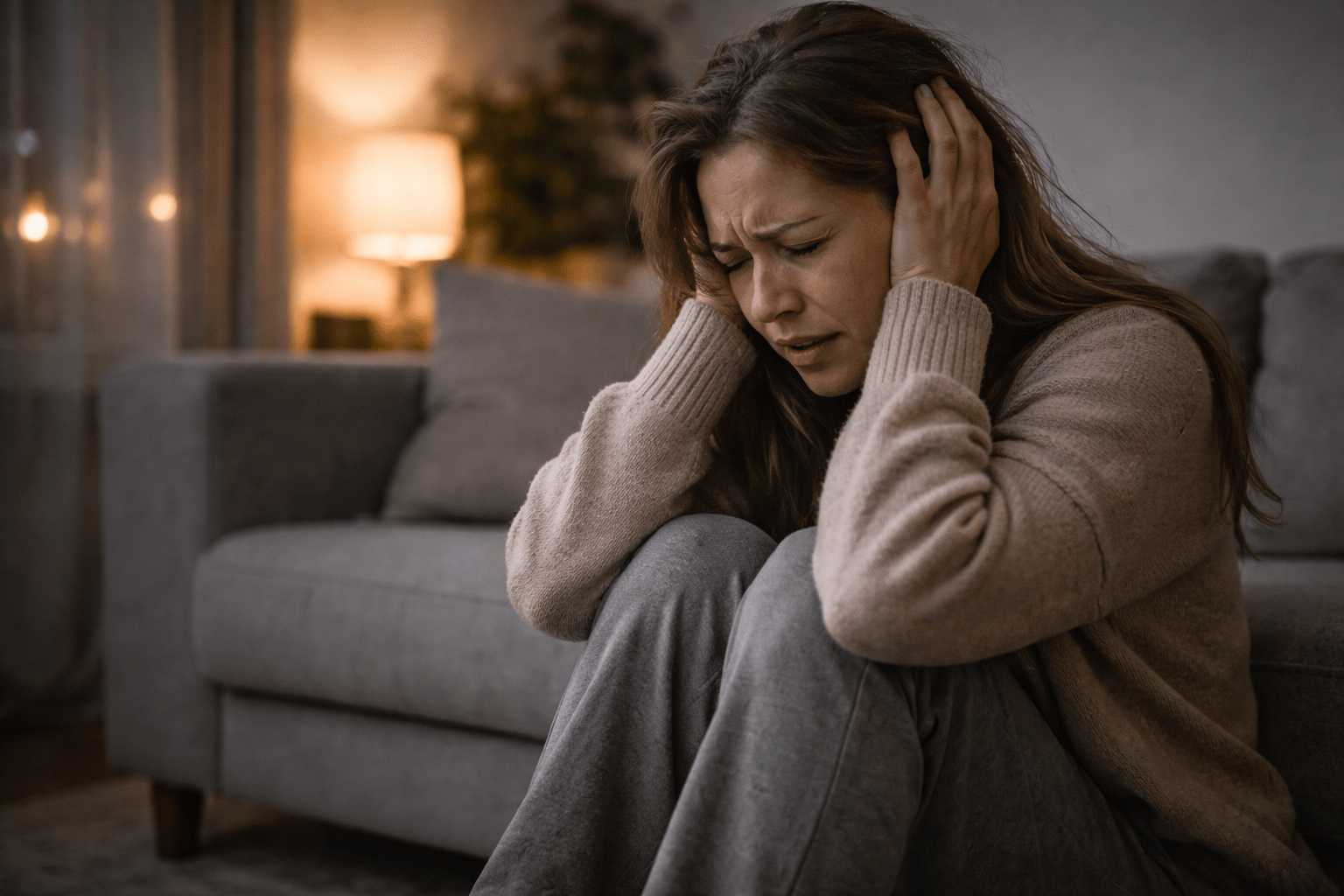
PTSD affects focus, trust, relationships, sleep, and your sense of safety. Living on high alert is exhausting — emotionally and physically.
When to Call in the Pros ⚠️
- Flashbacks or dissociation interrupt daily life
- Nightmares leave you chronically exhausted
- Panic or fear feels uncontrollable
- You feel disconnected or unsafe
- Thoughts of self-harm or hopelessness
Supportive Strategies That May Help 🏡
- Create predictable routines to calm the nervous system
- Reduce sensory overload where possible
- Use grounding objects to anchor in the present
- Practice gentle movement or breathwork
- Break tasks into small, manageable steps
Hope Is Still Possible 🌱
PTSD does not get to define your entire future. Healing is real, progress is possible, and support makes a difference.
Join the ItHurts Community 💬
Connect with others who understand trauma, triggers, and the strength it takes to heal.
Join the CommunityThis content is for education and emotional support only and does not replace professional mental health care.