Shopping Cart
CloseNo products in the cart.
Filter
close
Say Goodbye to Neck Pain: Prevention, Causes, and Long-Lasting Relief
Author: ItHurts.com
A Comprehensive Talk on Prevention, Causes, and Long-Lasting Relief

Understanding Neck Pain: The Discomfort That Won’t Go Away
Describing the Pain:
Neck pain can feel like a dull ache, a sharp, stabbing sensation, or a persistent throbbing. Sometimes it’s localized to the neck; other times, it can radiate to the shoulders, upper back, or even down the arms. Pain might flare up when turning your head, lifting something heavy, or after spending hours hunched over a screen. For many, it also comes with muscle stiffness and a reduced range of motion, making even simple movements difficult.
How Do People Get Neck Pain?
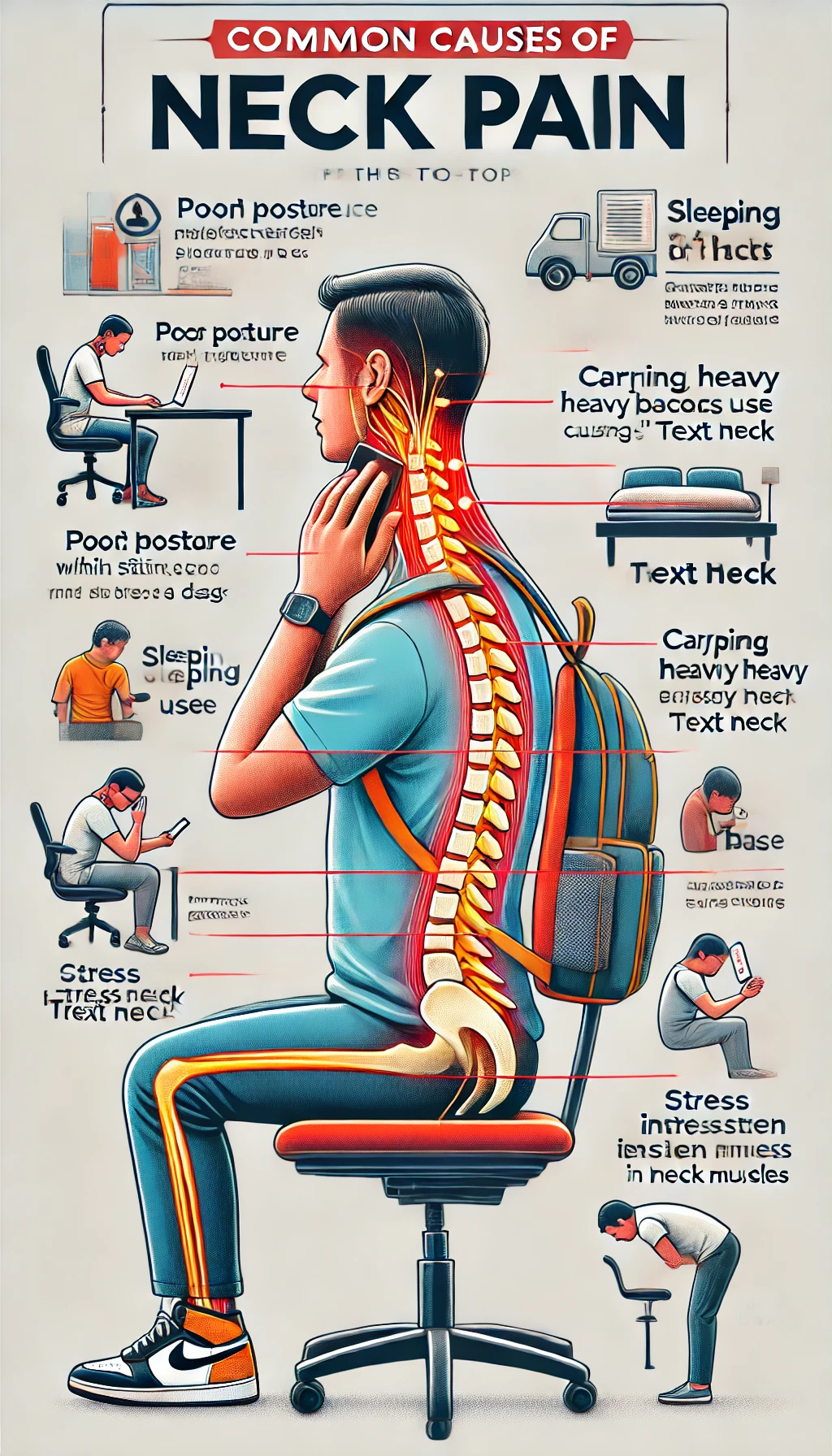
People experience neck pain from various sources, often a combination of lifestyle habits, posture, and occasionally, injury. Spending long hours at a desk, constantly looking down at smartphones, or even sleeping in awkward positions can strain the muscles and ligaments in the neck, leading to pain. Other common causes include:
01
Poor posture: Slumping at a desk or “tech neck” (where the head leans forward while looking at screens) puts undue pressure on the cervical spine.
02
Injuries: Falls, sports accidents, or car accidents can result in whiplash, a common cause of neck pain.
03
Aging and degeneration: The discs and joints in the neck naturally wear down over time, and conditions like osteoarthritis or degenerative disc disease can contribute to chronic neck pain.
Why Neck Pain Happens: Understanding the Root Causes
- Anatomy of the Neck
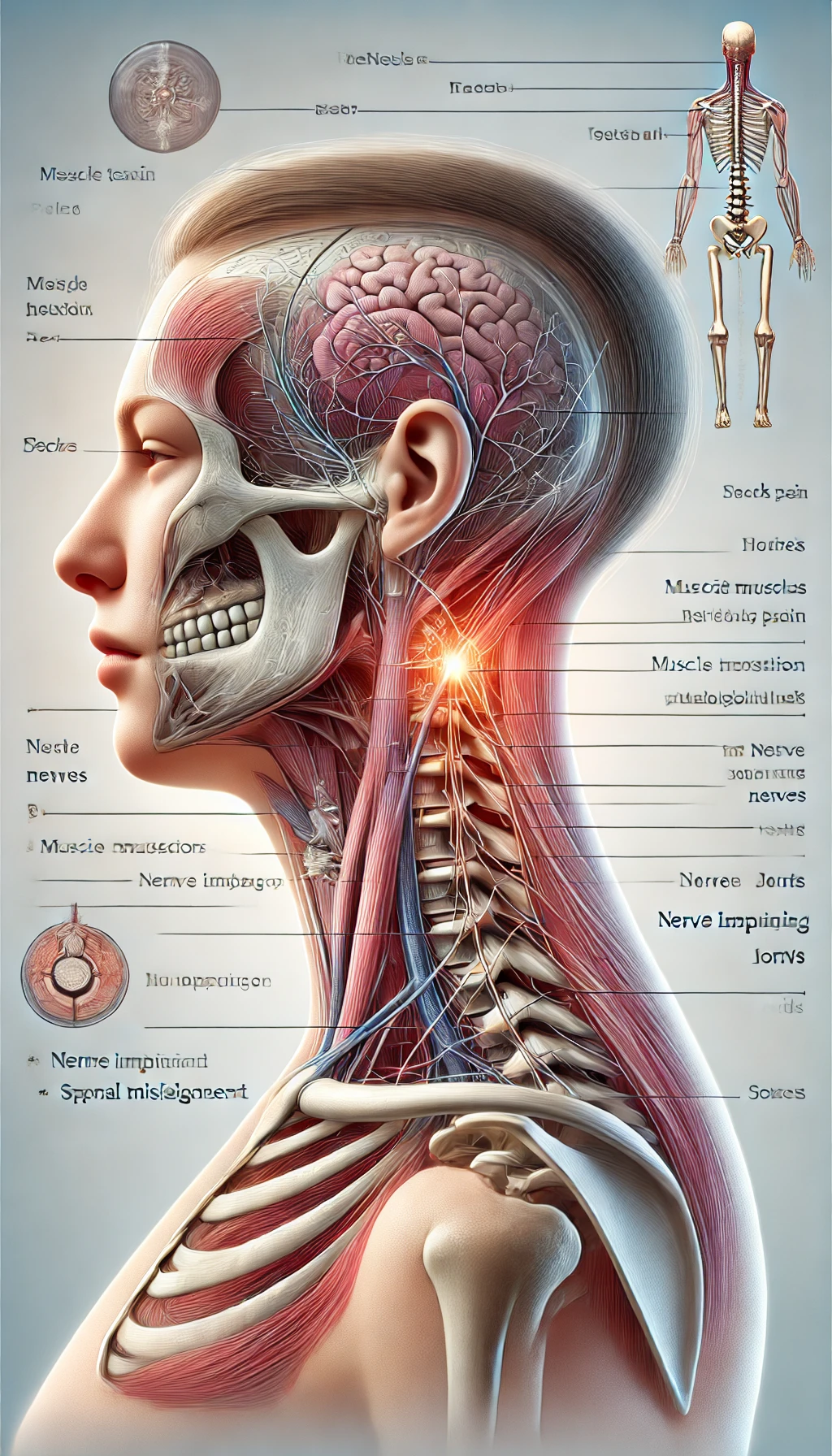
The neck is made up of cervical vertebrae that extend from the base of the skull down to the upper back, supporting the head’s weight. Surrounding these vertebrae are muscles, ligaments, and tendons that work together to allow movement and stability. However, they’re also vulnerable to strain from poor posture, repetitive movements, and injuries.
Why Neck Pain Occurs:
– Overuse and muscle strain: Repetitive motions or prolonged awkward postures can strain neck muscles.
– Degenerative conditions: As we age, conditions like arthritis or disc degeneration may weaken the cervical spine.
– Emotional stress: Tension and stress often lead to tightened muscles around the neck and shoulders, contributing to stiffness and pain.
Recognizing the Symptoms of Neck Pain
- Neck pain symptoms can range widely in intensity and impact. For some, it’s a mild inconvenience; for others, it affects daily life. Common symptoms include:
– Muscle tightness and spasms
– Sharp, burning pain, especially when moving the head
– Radiating pain in the shoulders, upper back, or arms
– Headaches, especially at the base of the skull
– Reduced range of motion and stiffness
If neck pain persists or worsens, it may be a sign of a more serious condition, such as nerve compression, and medical attention may be necessary.
Actionable Steps to Relieve and Prevent Neck Pain
Whether you want to prevent neck pain or reduce existing discomfort, there are effective strategies you can start today.
Good posture is foundational for a pain-free neck. Here are a few tips to maintain proper posture:
– Hold devices at eye level to avoid looking down for prolonged periods.
– Align your spine so your head sits in line with your shoulders.
– Roll your shoulders down to release tension and prevent neck strain.
Break up long periods of sitting with movement:
– Set a timer for every hour to remind yourself to stand up, stretch, and move.
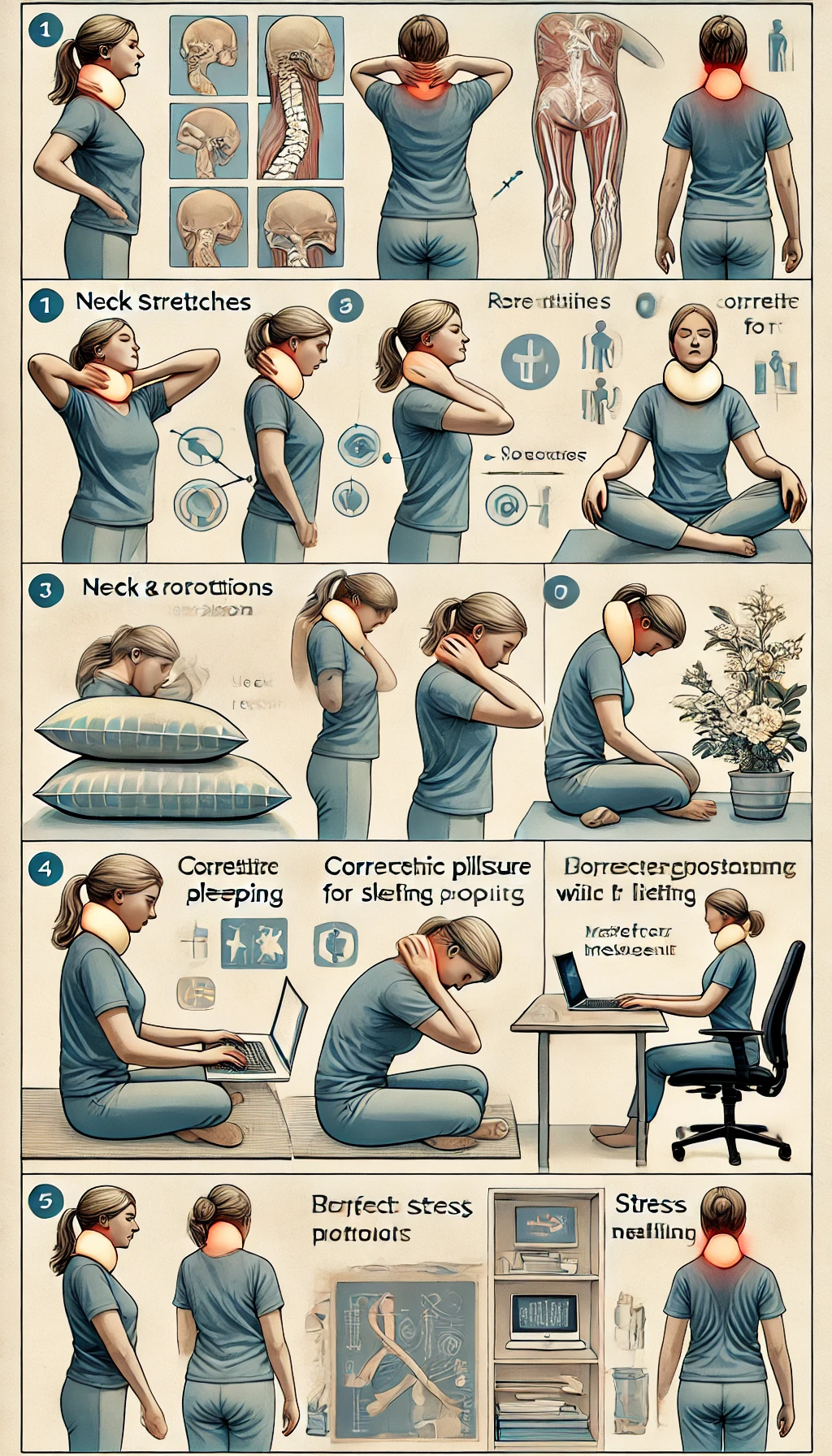
– Do simple stretches, such as shoulder rolls or neck tilts, to improve blood flow and relieve stiffness.
Incorporating regular stretches and strengthening exercises can keep your neck muscles resilient:
– Head presses: Press the back of your head against your hands to engage the neck muscles. Hold for 5-10 seconds.
– Head tilts and turns: Gently tilt your head forward, backward, and side-to-side to stretch tight muscles.
– Shoulder blade squeezes: Strengthen upper back muscles to support neck alignment.
Hot and cold therapy can provide quick relief for neck pain:
– Cold therapy: Use an ice pack wrapped in a towel for 10-15 minutes to reduce inflammation.
– Heat therapy: Apply a heating pad or warm towel to soothe tight muscles.
How you sleep can affect neck pain. Aim to keep your neck in a neutral position:
– Use a supportive pillow that keeps your head aligned with your spine.
– Avoid sleeping on your stomach, as it can twist your neck unnaturally.
For temporary relief, consider using nonsteroidal anti-inflammatory drugs (NSAIDs) like ibuprofen, which can help reduce inflammation and discomfort. However, always consult with a healthcare provider if you’re using these medications regularly.
Emotional stress can worsen neck pain by tensing muscles:
– Practice relaxation techniques: such as deep breathing, meditation, or yoga.
– Take short breaks: to manage stress, especially during high-pressure tasks.
Regular physical activity is essential for overall spine health:
– Incorporate strength and flexibility exercises that target the core and back, as these muscles support your neck.
If neck pain persists, physical therapy or chiropractic care might provide significant relief. A trained therapist can design an exercise plan specifically tailored to your pain and lifestyle, while a chiropractor can adjust any misalignment that may be contributing to your pain.
Scientific Insights into Neck Pain
Recent studies have shed light on the biomechanics and psychological factors contributing to neck pain. For example, research shows that prolonged screen time without breaks leads to increased stress on the cervical spine, causing “tech neck.” One study published in *The Journal of Physical Therapy Science* found that specific neck and shoulder exercises significantly reduce pain and improve posture for people working at desks.
Additionally, studies have demonstrated that consistent postural correction exercises can lead to long-term relief from chronic neck pain, emphasizing the importance of incorporating both prevention and relief exercises into daily routines.

Conclusion
Neck pain may be a common issue, but it doesn’t have to be a permanent one. By understanding its causes, recognizing its symptoms, and adopting lifestyle changes, you can take control of neck pain before it becomes debilitating. Good posture, regular stretching, and preventive care are powerful tools in maintaining a healthy neck. Furthermore, scientific research supports the efficacy of posture exercises and breaks from screen time to alleviate neck pain, making it easier to adopt practices that genuinely work.
Incorporate these steps gradually, and if you don’t experience relief, consult a healthcare provider. Remember, effective prevention and treatment of neck pain is a journey, not a quick fix. By taking these steps to protect your neck, you’re setting yourself up for a healthier, more comfortable life—free from the restrictions of neck pain.
Related Products
Products Not Found
Related Blogs
No posts found!