Shopping Cart
CloseNo products in the cart.
Filter
close
Conquering Urination Pain: Prevention, Causes, and Relief Strategies
Author: ItHurts.com
A Comprehensive Talk on Conquering Urination Pain
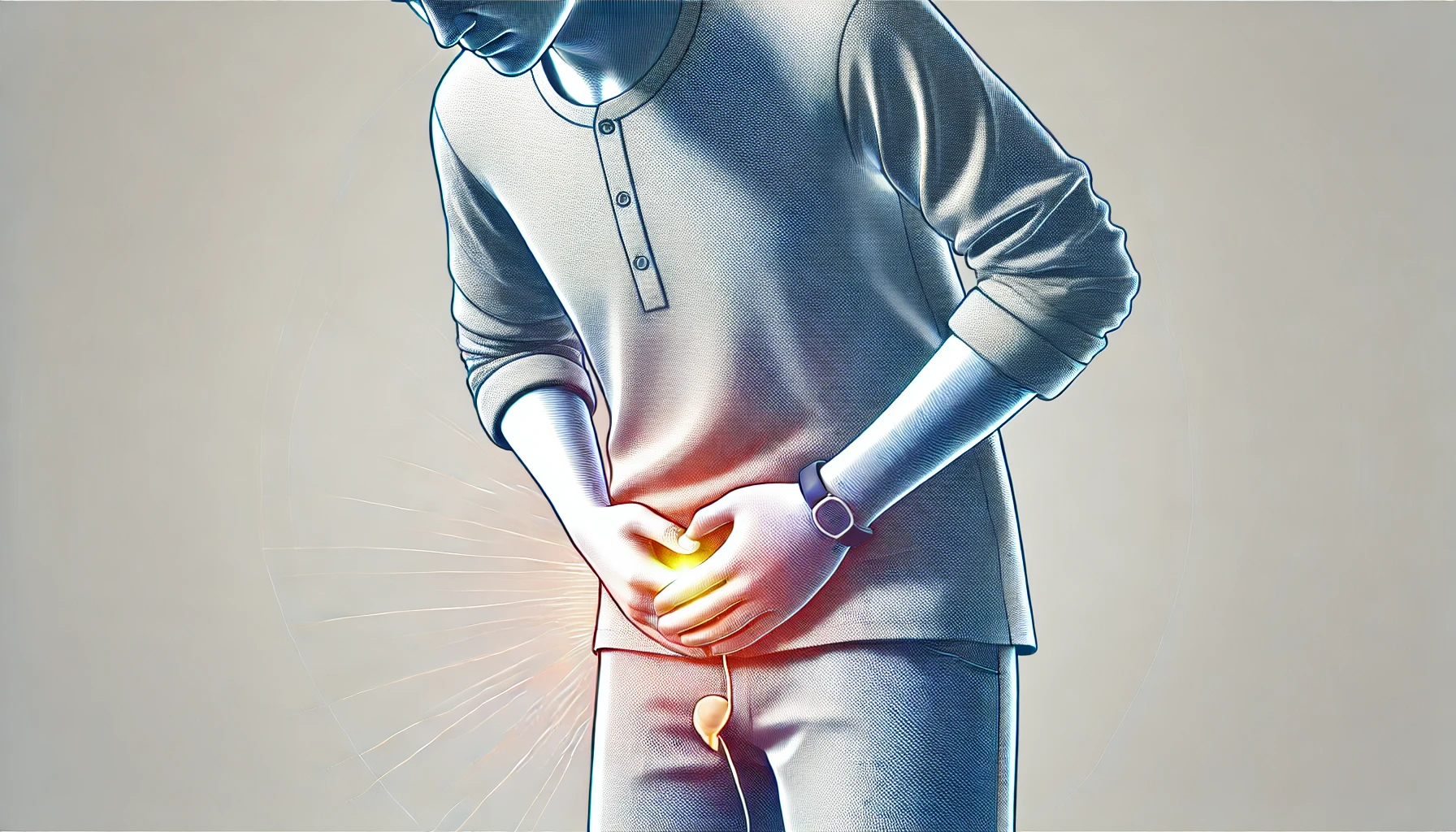
Understanding the Basics:
Urination pain, medically known as dysuria, can be a deeply distressing and disruptive experience. Often described as a burning, stinging, or aching sensation during urination, this condition can affect anyone but is more common in women due to anatomical differences. Whether caused by a urinary tract infection (UTI), bladder inflammation, or other underlying issues, understanding the pain and how to address it is vital. This article will delve into the causes, presentation, and relief strategies, offering both preventive measures and treatment approaches.
Description of Urination Pain
Urination pain can manifest in different ways, depending on its root cause. Below are some common characteristics:
– Burning Sensation: A sharp, searing pain often felt in the urethra, commonly associated with UTIs.
– Aching in the Bladder or Pelvic Area: Persistent discomfort that may accompany bladder infections or interstitial cystitis.
– Sharp Pain at the Start or End of Urination: This could be linked to urinary stones or irritation in the urethra.
– Stinging Sensation: Often caused by irritation from soap, hygiene products, or sexual activity.
– Radiating Pain: In some cases, pain during urination can extend to the lower back or abdomen, indicating a more serious issue, such as a kidney infection.
Understanding the type and location of pain is the first step toward identifying its cause and finding relief.
Common Causes of Urination Pain
Urination pain has a variety of potential causes, some of which are minor and temporary, while others may require medical attention. The most common causes include:
- Urinary Tract Infections (UTIs):
– The leading cause of painful urination, particularly in women.
– Caused by bacterial invasion of the urinary system.
- Bladder Infections (Cystitis):
– A specific type of UTI that affects the bladder.
– Symptoms include pelvic pain and frequent urination.
- Sexually Transmitted Infections (STIs):
– Conditions like chlamydia, gonorrhea, or genital herpes can cause painful urination.
- Kidney Stones:
– Sharp, intense pain during urination, often coupled with flank pain.
– Occurs when mineral deposits form in the kidneys and pass through the urinary tract.
- Interstitial Cystitis (IC):
– A chronic bladder condition that causes pain, pressure, and frequent urination.
– The exact cause is unclear.
- Irritants and Allergies:
– Soaps, bubble baths, and personal hygiene products may irritate the urethra.
- Dehydration:
– Concentrated urine due to insufficient hydration can exacerbate discomfort.
- Prostatitis (in men):
– Inflammation of the prostate gland, often causing painful urination and pelvic discomfort.
Underlying Reasons for Urination Pain
The physiological and anatomical reasons behind urination pain vary by cause but often involve inflammation, irritation, or obstruction in the urinary tract.
– Inflammation and Swelling:
Infections cause inflammation in the urinary tract, leading to nerve sensitivity and pain.
– Nerve Irritation:
Chronic conditions like IC may overactivate pain receptors in the bladder.
– Obstructions:
Kidney stones or anatomical abnormalities can block urine flow, causing sharp pain.
– Muscle Strain:
Pelvic floor dysfunction or muscle tightness may mimic or contribute to urinary pain.
Understanding these mechanisms can help tailor treatment and preventive strategies effectively
Presentation of Urination Pain
Urination pain often follows a recognizable pattern. Common symptoms include:
– A burning or stinging sensation during urination.
– An urgent need to urinate, even with little output.
– Discomfort in the lower abdomen, pelvis, or back.
– Cloudy or foul-smelling urine.
– In severe cases, blood in the urine or fever may occur, indicating an urgent need for medical care.
Treatment and Relief for Existing Pain
Addressing urination pain involves both immediate relief strategies and longer-term treatments:
Immediate Relief:
- Stay Hydrated:
– Drinking plenty of water flushes out irritants and bacteria.
- Apply Heat:
– Use a heating pad on the lower abdomen to reduce discomfort.
- Over-the-Counter Medications:
– Products like phenazopyridine (e.g., Azo) can numb the urinary tract and ease pain.
- Avoid Irritants:
– Steer clear of perfumed hygiene products and harsh soaps.
Long-Term Treatments:
- For UTIs:
– Antibiotics prescribed by a healthcare provider are essential.
- For IC or Chronic Conditions:
– Bladder training, dietary changes, and medications like antihistamines or bladder relaxants may help.
- For Kidney Stones:
– Pain relief, hydration, and in some cases, medical procedures to break up the stones.
- Pelvic Floor Therapy:
– Physical therapy to relax and strengthen pelvic muscles.
- Holistic Approaches:
– Cranberry supplements, probiotics, and acupuncture have shown promise in some cases.
Scientific Research on Urination Pain
Recent research provides valuable insights into urination pain and its management:
– A 2022 study in *The Journal of Urology* found that early antibiotic intervention reduces UTI complications by 40%.¹
– Research in *The Lancet* highlights the role of pelvic floor dysfunction in chronic urinary pain, emphasizing the importance of targeted physical therapy.²
– A meta-analysis published in *BMC Complementary Medicine* supports the efficacy of cranberry products in reducing recurrent UTIs.³
Actionable Steps for Preventing Urination Pain
Prevention is always better than cure. Adopting the following habits can help minimize the risk of urination pain:
Lifestyle Changes:
– Stay Hydrated:
– Aim for at least eight glasses of water daily to dilute urine and flush out bacteria.
– Practice Good Hygiene:
– Wipe front to back to avoid bacterial spread.
– Urinate before and after sexual activity.
– Dietary Adjustments:
– Avoid bladder irritants like caffeine, alcohol, and spicy foods.
– Wear Breathable Clothing:
– Opt for cotton underwear to prevent moisture buildup and bacterial growth.
Ergonomic and Behavioral Tips:
– Ergonomic Toilet Habits:
– Avoid holding urine for long periods to prevent bladder strain.
– Pelvic Floor Exercises:
– Strengthening these muscles can improve bladder control and reduce discomfort.
– Stress Management:
– Chronic stress may contribute to urinary pain; practices like yoga and meditation can help.

Final Thoughts:
Urination pain is a complex and multifaceted issue that can disrupt daily life. Understanding its causes, from infections to chronic conditions, is critical to effective management. Treatments range from simple hydration to antibiotics and physical therapy, depending on the underlying cause. Prevention, through good hygiene, hydration, and stress management, is equally essential.
By adopting these strategies and seeking professional care when necessary, you can take proactive steps toward a pain-free life. Remember, if you experience persistent or severe symptoms, consult a healthcare provider to rule out serious conditions.
Take charge of your health today—your comfort and well-being are worth it.
References
- The Journal of Urology. (2022). “Antibiotic Efficacy in Treating UTIs.”
- The Lancet. (2021). “Pelvic Floor Dysfunction and Chronic Urinary Pain.”
- BMC Complementary Medicine. (2023). “Cranberry Products in Preventing Recurrent UTIs.”
ItHurts.com is your ally in your endeavor to live pain-free. We offer guidance, resources, and community support to address chronic pain, emotional stress, and physical discomfort. Discover insightful articles, product reviews, recommendations and shared experiences to empower your journey to better health. Remember, if it hurts, we can help!
Related Products
No posts found!
Related Blogs
No posts found!