


Waking up with a "dead" hand
It is 3 a.m. and you wake because your hand has gone numb and tingly. You shake it out until the pins and needles fade, then lie awake wondering how you will get through tomorrow's typing. If this is a regular part of your nights, you are in very familiar carpal tunnel territory.
As a quick reminder, carpal tunnel syndrome happens when the median nerve is squeezed as it passes through a narrow channel at the front of the wrist. It typically causes numbness, tingling or pain in the thumb, index, middle and part of the ring finger. This article doesn't go back over the whole condition. Instead, it focuses on the practical side: the hours of the day and night when symptoms tend to bite, and the adjustments people use to cope.
Why nights are often the worst
Many people curl their wrists while they sleep, tucking hands under a pillow or bending them toward the chest. A bent wrist reduces space inside the carpal tunnel and puts extra pressure on the nerve for hours at a time. Fluid can also shift into the hands when you lie still. So symptoms that are mild during the day can wake you at night.
A calmer night routine
- Keep wrists straight. A wrist splint worn at night that holds the wrist in a neutral position is one of the most common first steps doctors and hand therapists suggest. Ask them which type and fit suits you.
- Check your sleeping position. Try not to sleep on your hands or with them tucked under the pillow. A pillow to rest your arm on, or hugging a soft pillow with straight wrists, helps some people.
- Wind down your hands. Avoid heavy gripping, gaming or long phone use right before bed.
- Have a plan for waking. Gently shaking the hand or letting it hang over the side of the bed is how many people ease night tingling. If you are waking several times a night, mention it to your doctor; it is a sign symptoms deserve attention.
A wrist-friendlier workday
For desk workers, small changes to the setup can make a real difference to comfort:
- Keyboard height: Elbows close to the body and bent around a right angle, with forearms roughly level and wrists straight, not bent up or down.
- Lighter touch: Many people pound the keys harder than needed. A lighter touch reduces strain.
- Mouse position: Keep it close to the keyboard so you aren't reaching. Some people find a vertical mouse or a trackball more comfortable. Try switching hands for part of the day.
- Wrist rests: Use them for pauses rather than leaning on them while typing, which can press on the wrist.
- Laptops: A separate keyboard and mouse, with the screen raised, usually beats working on the laptop itself for long periods.
- Voice tools: Dictation software can take some typing off your hands.
- Micro-breaks: Every 20 to 30 minutes, drop your hands, shake them loosely and change position. Short, frequent breaks tend to help more than one long one.
If your work is hands-on, such as assembly, hairdressing, construction, cleaning or using vibrating tools, look at grip size, tool weight and the angle of your wrist. Padded or larger handles, anti-vibration gloves, and rotating tasks across the day may help. An occupational therapist or workplace health team can look at your specific job.
Relief picks for carpal tunnel
Hand-picked by ItHurts · an everyday option, a best overall and a clinical-grade upgrade




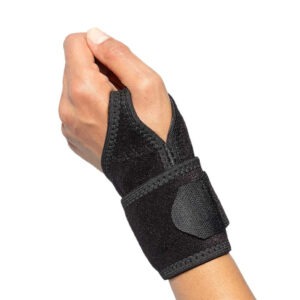
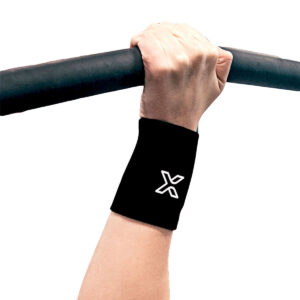

Some links are affiliate links. If you buy through them, ItHurts.com may earn a small commission at no extra cost to you.
Phones, chores and hobbies
- Hold your phone with a relaxed grip, rest it on a surface, or use a stand. Switching to voice messages for longer notes helps.
- In the kitchen, choose knives and tools with thicker, softer handles, and let electric openers or food processors do some of the work.
- When driving, loosen your grip on the wheel and change hand position on long trips.
- For gardening, knitting, musical instruments or crafts, work in shorter sessions with breaks, and notice which positions bring on tingling.
- Carry bags on your forearm or shoulder instead of gripping handles tightly.

Talking to your employer
You don't have to struggle quietly. Many employers can provide equipment such as an ergonomic keyboard or mouse, a workstation assessment, adjusted tasks or extra breaks. In the US, the Americans with Disabilities Act may support requests for reasonable accommodations in some situations. A note from your doctor describing what helps can make the conversation easier. Frame it around staying productive and comfortable.
A note for pregnancy
Carpal tunnel symptoms are common during pregnancy, often linked to fluid retention, and frequently ease after the baby arrives. Night splints and the adjustments above are often suggested, but check with your midwife or doctor before trying any new treatment.
Signs adjustments aren't enough
- Numbness that is constant rather than coming and going
- Weakness, clumsiness or dropping things
- Wasting or flattening of the muscle at the base of the thumb
- Symptoms waking you most nights, or worsening despite changes
- Numbness or tingling in both hands along with other new symptoms
See your doctor if you notice any of these, because ongoing pressure on the nerve can cause lasting damage. Get urgent help for sudden numbness or weakness in the arm or face, trouble speaking, or symptoms after a wrist injury with severe pain or deformity.
The bottom line
Carpal tunnel symptoms often flare at night and during repetitive tasks, and small changes can help a lot: a neutral-wrist night splint, a better desk setup, lighter grip, frequent micro-breaks and support at work. If numbness becomes constant, your hand gets weaker or the thumb muscle shrinks, see a doctor promptly.
Swap tips with others
Our wrist, hand and finger groups are full of people sharing what works at their desk, in their kitchen and at night. You can also take the free ItHurts Pain Check-Up to track your symptoms.
Join Wrist and Hand GroupsReviewed by the ItHurts editorial team · Last reviewed 18 October 2026 · General information, not medical advice. If you are worried about your symptoms, talk to a doctor.