
 United States
▾
United States
▾
 Afghanistan
 Albania
 Algeria
 Andorra
 Angola
 Argentina
 Armenia
 Australia
 Austria
 Azerbaijan
 Bahrain
 Bangladesh
 Barbados
 Belarus
 Belgium
 Belize
 Benin
Benin
 Bhutan
 Bolivia
 Bosnia and Herzegovina
 Botswana
 Brazil
 Brunei
 Bulgaria
 Burkina Faso
 Burundi
 Cambodia
 Cameroon
 Canada
 Cape Verde
 Central African Republic
 Chad
Chad
 Chile
Chile
 China
China
 Colombia
 Comoros
 Congo
Congo
 Costa Rica
 Croatia
 Cuba
Cuba
 Cyprus
 Czech Republic
 Denmark
 Djibouti
 Dominican Republic
 Ecuador
 Egypt
Egypt
 El Salvador
 Estonia
 Ethiopia
 Finland
 France
 Gabon
Gabon
 Gambia
 Georgia
 Germany
 Ghana
Ghana
 Greece
 Guatemala
 Guinea
 Guyana
 Haiti
Haiti
 Honduras
 Hungary
 Iceland
 India
India
 Indonesia
 Iran
Iran
 Iraq
Iraq
 Ireland
 Israel
 Italy
Italy
 Jamaica
 Japan
Japan
 Jordan
 Kazakhstan
 Kenya
Kenya
 Kuwait
 Kyrgyzstan
 Laos
Laos
 Latvia
 Lebanon
 Lesotho
 Liberia
 Libya
Libya
 Lithuania
 Luxembourg
 Madagascar
 Malawi
 Malaysia
 Maldives
 Mali
Mali
 Malta
Malta
 Mauritania
 Mauritius
 Mexico
 Moldova
 Mongolia
 Montenegro
 Morocco
 Mozambique
 Myanmar
 Namibia
 Nepal
Nepal
 Netherlands
 New Zealand
 Nicaragua
 Niger
Niger
 Nigeria
 Norway
 Oman
Oman
 Pakistan
 Panama
 Paraguay
 Peru
Peru
 Philippines
 Poland
 Portugal
 Qatar
Qatar
 Romania
 Russia
 Rwanda
 Saudi Arabia
 Senegal
 Serbia
 Singapore
 Slovakia
 Slovenia
 South Africa
 South Korea
 Spain
Spain
 Sri Lanka
 Sudan
Sudan
 Sweden
 Switzerland
 Syria
Syria
 Taiwan
 Tajikistan
 Tanzania
 Thailand
 Turkey
 Turkmenistan
 Uganda
 Ukraine
 United Arab Emirates
 United Kingdom
 United States
 Uruguay
 Uzbekistan
 Venezuela
 Vietnam
 Yemen
Yemen
 Zambia
 Zimbabwe
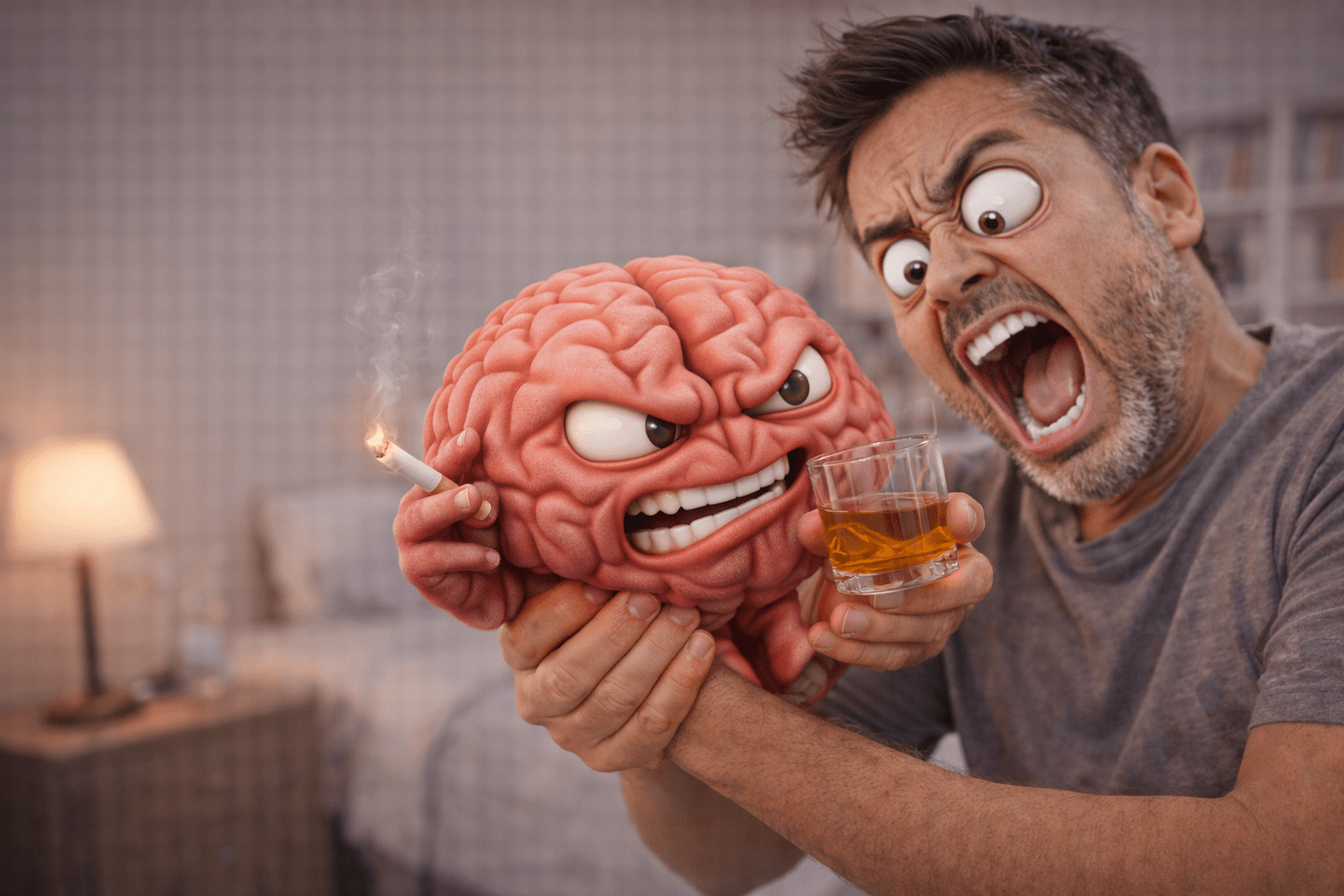
Let’s be honest. If addiction were a person, it would be that roommate who swears they’ll move out “next month,” eats your food, uses your charger, and somehow convinces you everything is your fault. Charming. Manipulative. Absolutely terrible with boundaries.
Addiction doesn’t show up wearing a villain cape. It shows up with snacks, nostalgia, and the promise that this time will be different. It whispers, not yells. It doesn’t kick the door down—it asks politely if it can crash on your couch and then quietly rearranges your entire nervous system.
And before you start pointing fingers at “other people,” let’s get this straight: addiction isn’t a moral failure, a lack of willpower, or proof you’re broken. It’s your brain getting aggressively attached to something that once felt helpful, comforting, exciting, numbing, or necessary. Congratulations—your survival instincts just got a little too enthusiastic.
Since I actually want you to win (and I’m tired of watching addiction cosplay as your best friend), here’s how to start taking your brain back—without motivational posters or empty platitudes.
1. Stop Negotiating With a Professional Liar
Addiction is undefeated in debates it invents.
“I’ll quit tomorrow.”
“I deserve this.”
“One more won’t matter.”
That’s not logic. That’s a con artist wearing your own voice. Addiction thrives on loopholes and emotional bargaining, not facts. The moment you start negotiating, you’ve already handed it the microphone.
The Fix:
Pre-decide your rules before cravings show up. Write them down. Make them boring and non-negotiable. Cravings hate structure the way vampires hate daylight.
Reality Check:
Cravings peak and fall like bad pop songs. They feel permanent, but they’re dramatic liars with no follow-through.
2. Remove the “Easy Button” From Your Environment
Your brain is lazy. Not evil—efficient. If the thing you’re trying to quit is easy to access, your nervous system will take that shortcut every time. This is biology, not weakness.
The Fix:
Add friction. Delete apps. Don’t keep substances “just in case.” Change routines. If it takes effort, time, or embarrassment to relapse, your brain is far more likely to tap out and go distract itself with literally anything else.
Translation:
You’re not failing recovery—you’re just living in a setup designed for relapse.
3. Replace the Habit, Not Just the Substance
Here’s the part nobody likes: addiction usually worked for something. Stress relief. Connection. Escape. Control. Dopamine confetti. Remove it without replacing the function, and your brain will stage a protest. Loudly.
The Fix:
Identify what the addiction was doing for you, then replace it with something that hits the same nerve—movement, cold exposure, social connection, creative output, novelty, or even spite-fueled self-improvement.
Important Note:
No, meditation won’t immediately replace everything. Yes, you’re allowed to hate that fact.
If it Hurts we can help.
Join the ItHurts CommunityI am not a medical professional, a rehab facility, or a wizard with a clipboard. If addiction is putting you in danger, wrecking your health, or making life unmanageable, please seek professional help. Support is not weakness—it’s strategy.
This article is educational, sarcastic encouragement, not a replacement for treatment. I’m here to help you think, not diagnose you.