
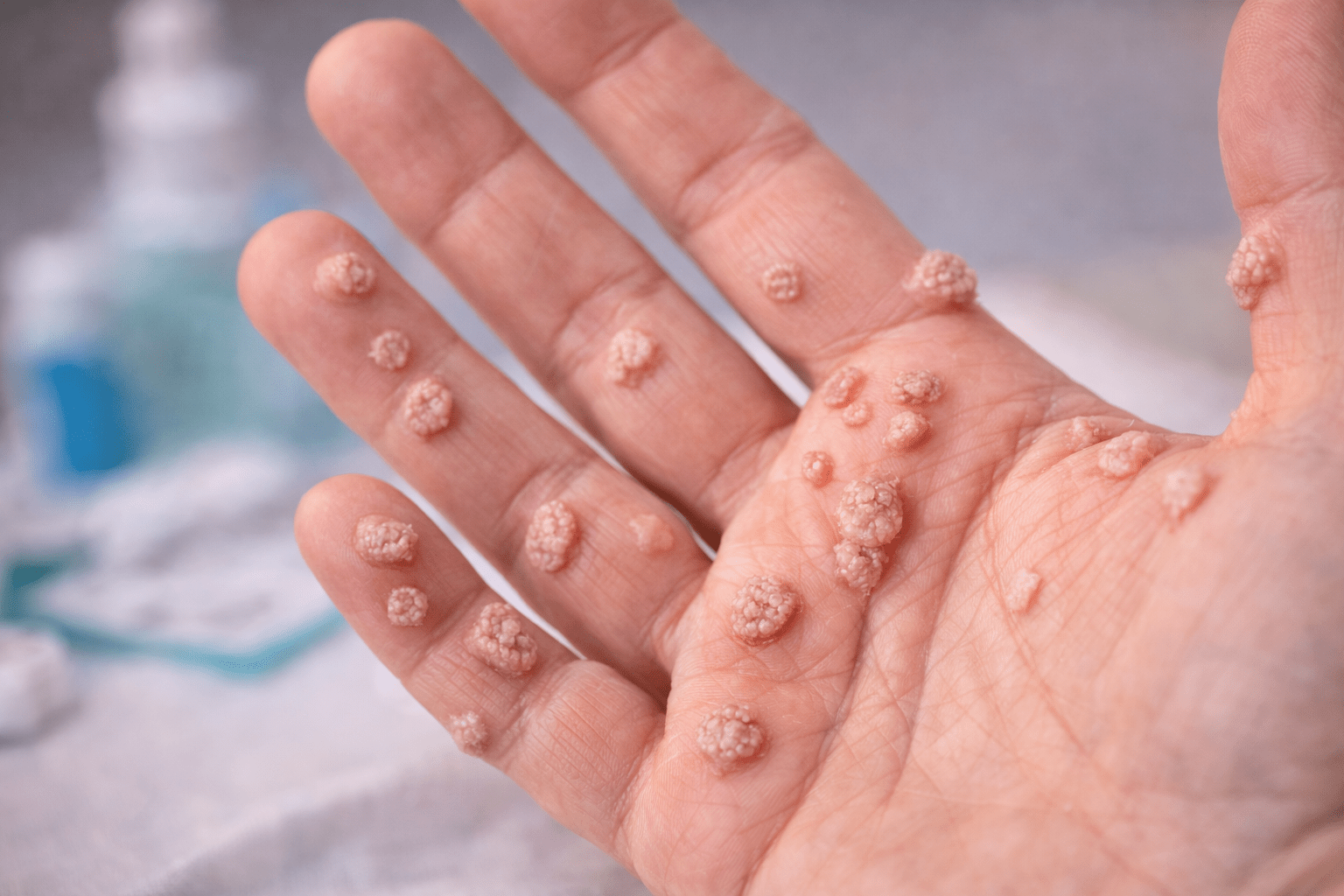
Warts are small growths on the skin caused by infection with the human papillomavirus (HPV). They can appear on different areas of the body including the hands, feet, fingers, and around the nails.
Although warts are generally harmless, they can sometimes cause discomfort, especially when located on pressure points such as the soles of the feet. In some cases they may spread or multiply if the virus transfers to nearby skin.
Fortunately, several practical steps can help reduce irritation and support treatment.
3 Practical Ways to Manage Warts
1️⃣ Use Wart Treatments Consistently
Many over-the-counter treatments use salicylic acid to gradually break down the excess skin that forms a wart.
Helpful steps:
• Soak the affected area in warm water for 5–10 minutes
• Apply the treatment according to instructions
• Repeat regularly as directed
Consistency is important because wart treatment often takes time and repeated applications.
2️⃣ Prevent the Virus From Spreading
Warts can spread through direct contact or through small breaks in the skin.
Helpful precautions include:
• Covering the wart with a bandage when possible
• Washing hands after touching the area
• Avoiding sharing towels, socks, razors, or footwear
These simple hygiene practices can help limit transmission to other areas of the body or to other people.
3️⃣ Reduce Pressure on Painful Warts
Warts located on the soles of the feet (plantar warts) may become painful because body weight presses them into deeper skin layers.
Ways to reduce discomfort:
• Use cushioned or donut-shaped pads around the wart
• Wear supportive, well-fitting shoes
• Avoid walking barefoot on hard surfaces
Reducing pressure can help relieve discomfort during daily activities.
If it Hurts we can help
Join ItHurts — the Social Network for Pain.
A supportive community where people experiencing pain can learn from others, listen to shared experiences, and share their own stories with people who understand.
#ItHurts #ItHurtsCommunity #TinyBumpBigDrama #painfreelife
⚠️ Protective Disclaimer
This article is intended for informational purposes only and does not replace professional medical advice.
If a wart becomes painful, spreads rapidly, bleeds, changes appearance, or does not respond to treatment, consult a qualified medical professional for proper evaluation and care.