
LABRAL TEAR: When Your Joint Quietly Files a Formal Complaint Against You
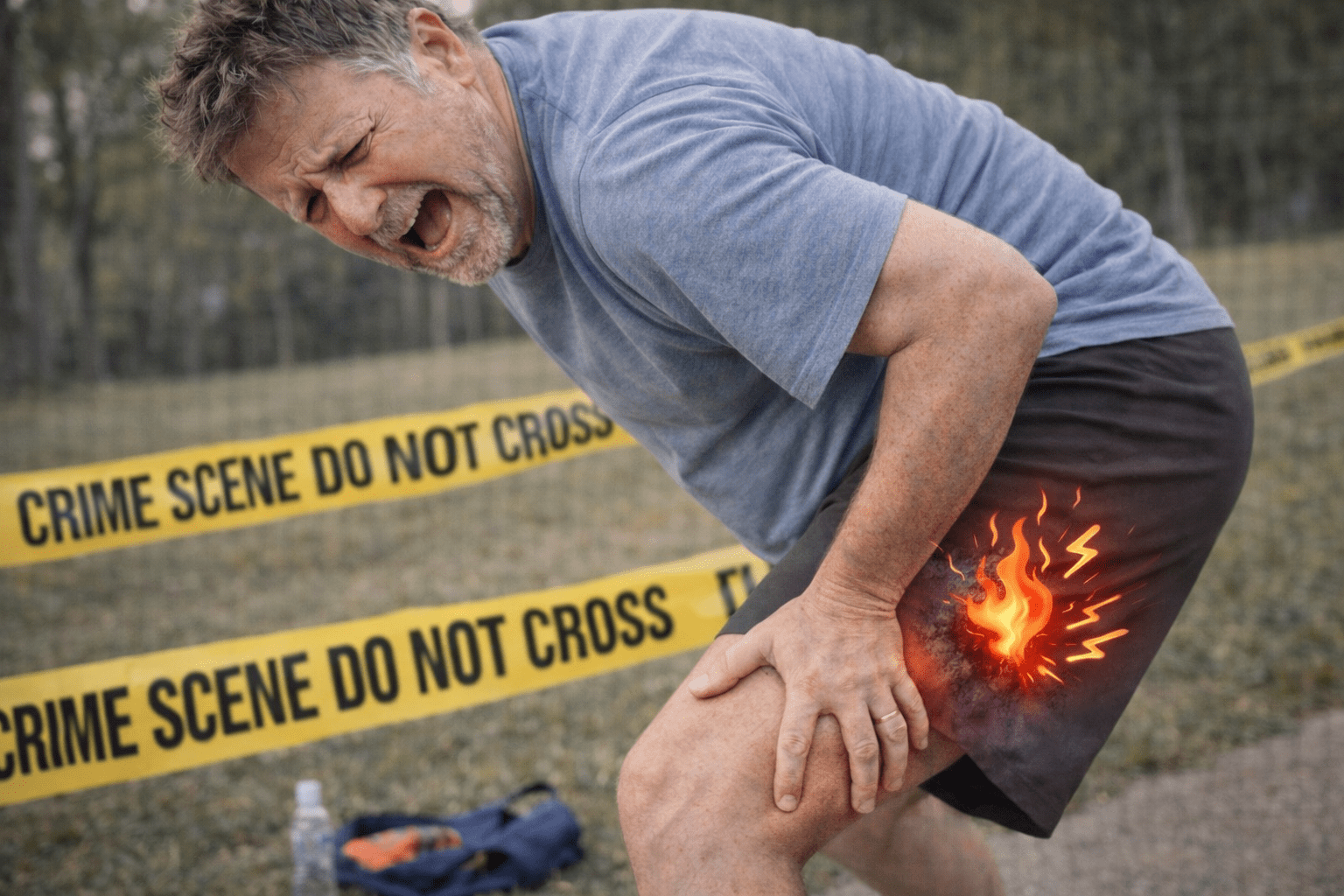
The labrum is a ring of cartilage that helps stabilize joints such as the hip and shoulder. It deepens the socket, improves joint alignment, and supports smooth movement. When the labrum tears due to injury, repetitive stress, or structural issues, it can cause pain, instability, and mechanical symptoms such as clicking or catching.
Many people manage labral tears with conservative treatment including strengthening, movement modifications, and pain management strategies.
3 Practical Strategies to Manage a Labral Tear
Avoid deep twisting, pivoting, or extreme joint positions that increase pressure on the labrum. Controlled, pain-free movement helps reduce irritation while the joint stabilizes.
Strengthening surrounding muscles can help reduce stress on the injured labrum. Exercises targeting glutes and hip stabilizers (for hip tears) or rotator cuff and scapular muscles (for shoulder tears) can improve joint support.
Ice therapy after activity may help calm inflammation, while gentle heat before movement may help relax surrounding muscles and improve mobility.
The Recovery Reality
Labral tears can vary widely in severity. Some improve with rehabilitation and activity modification, while others may require medical evaluation or specialized treatment. Listening to the body and progressing gradually can help reduce flare-ups and support long-term joint health.
If it Hurts we can help.
Join a supportive community where people share experiences, pain management strategies, and encouragement while navigating injury and recovery.
Join the ItHurts Community