

 Afghanistan
 Albania
 Algeria
 Andorra
 Angola
 Argentina
 Armenia
 Australia
 Austria
 Azerbaijan
 Bahrain
 Bangladesh
 Barbados
 Belarus
 Belgium
 Belize
 Benin
Benin
 Bhutan
 Bolivia
 Bosnia and Herzegovina
 Botswana
 Brazil
 Brunei
 Bulgaria
 Burkina Faso
 Burundi
 Cambodia
 Cameroon
 Canada
 Cape Verde
 Central African Republic
 Chad
Chad
 Chile
Chile
 China
China
 Colombia
 Comoros
 Congo
Congo
 Costa Rica
 Croatia
 Cuba
Cuba
 Cyprus
 Czech Republic
 Denmark
 Djibouti
 Dominican Republic
 Ecuador
 Egypt
Egypt
 El Salvador
 Estonia
 Ethiopia
 Finland
 France
 Gabon
Gabon
 Gambia
 Georgia
 Germany
 Ghana
Ghana
 Greece
 Guatemala
 Guinea
 Guyana
 Haiti
Haiti
 Honduras
 Hungary
 Iceland
 India
India
 Indonesia
 Iran
Iran
 Iraq
Iraq
 Ireland
 Israel
 Italy
Italy
 Jamaica
 Japan
Japan
 Jordan
 Kazakhstan
 Kenya
Kenya
 Kuwait
 Kyrgyzstan
 Laos
Laos
 Latvia
 Lebanon
 Lesotho
 Liberia
 Libya
Libya
 Lithuania
 Luxembourg
 Madagascar
 Malawi
 Malaysia
 Maldives
 Mali
Mali
 Malta
Malta
 Mauritania
 Mauritius
 Mexico
 Moldova
 Mongolia
 Montenegro
 Morocco
 Mozambique
 Myanmar
 Namibia
 Nepal
Nepal
 Netherlands
 New Zealand
 Nicaragua
 Niger
Niger
 Nigeria
 Norway
 Oman
Oman
 Pakistan
 Panama
 Paraguay
 Peru
Peru
 Philippines
 Poland
 Portugal
 Qatar
Qatar
 Romania
 Russia
 Rwanda
 Saudi Arabia
 Senegal
 Serbia
 Singapore
 Slovakia
 Slovenia
 South Africa
 South Korea
 Spain
Spain
 Sri Lanka
 Sudan
Sudan
 Sweden
 Switzerland
 Syria
Syria
 Taiwan
 Tajikistan
 Tanzania
 Thailand
 Turkey
 Turkmenistan
 Uganda
 Ukraine
 United Arab Emirates
 United Kingdom
 United States
 Uruguay
 Uzbekistan
 Venezuela
 Vietnam
 Yemen
Yemen
 Zambia
 Zimbabwe
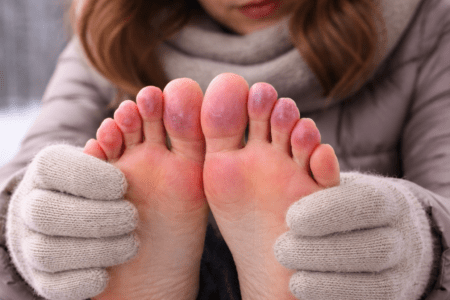
Chilblains: When Your Skin Stages a Tiny Winter Protest ❄️🔥 Cold-triggered pain that feels small — and absolutely isn’t If Your Toes Are Sending Hate Mail, You’re Not Alone 😫 Chilblains show up when cold, damp weather meets sensitive circulation. They itch, burn, swell, and linger — often making you wonder why your own skin feels personally offended by winter. “Chilblains aren’t dramatic — they’re just deeply unimpressed by sudden temperature changes.” What’s Actually Going On? 🧠🩺 Chilblains occur when tiny blood vessels overreact to rapid shifts from cold to warm environments. Blood flow struggles to adjust, leading to inflammation, redness, and pain — especially in toes, fingers, ears, and heels. Rapid warming after cold exposure Poor circulation Damp, windy weather Tight shoes or socks Cold floors and bare skin Why It Hurts (and Why You’re NOT Crazy) 😤 Inflamed blood vessels press against nearby nerves, causing burning, throbbing, and itching. The discomfort is real — even if others can’t see it. When to Call in the Pros ⚠️ Open sores, ulcers, or broken skin Signs of infection (pus, fever, spreading redness) Severe swelling or worsening pain Symptoms lasting longer than 2–3 weeks Chilblain-like symptoms in warm weather Home Strategies That Actually Help 🏡 Gradual warming — avoid blasting heat onto cold skin Roomy shoes and moisture-wicking socks Warm (not hot) compresses Gentle movement to encourage circulation Soft lotions for irritated skin You’re Allowed to Stay Warm and Take It Slow 🌱 Chilblains don’t mean your body is weak — they mean it’s sensitive. Gentle warmth, patience, and self-compassion go a long way. Join the ItHurts Community 💬 Connect with people who understand cold-triggered pain, circulation issues, and invisible discomfort. Join the Community Medical Disclaimer: This content is for educational and emotional support only and does not replace professional medical advice, diagnosis, or treatment.
 Written by Karrie