

 Afghanistan
 Albania
 Algeria
 Andorra
 Angola
 Argentina
 Armenia
 Australia
 Austria
 Azerbaijan
 Bahrain
 Bangladesh
 Barbados
 Belarus
 Belgium
 Belize
 Benin
Benin
 Bhutan
 Bolivia
 Bosnia and Herzegovina
 Botswana
 Brazil
 Brunei
 Bulgaria
 Burkina Faso
 Burundi
 Cambodia
 Cameroon
 Canada
 Cape Verde
 Central African Republic
 Chad
Chad
 Chile
Chile
 China
China
 Colombia
 Comoros
 Congo
Congo
 Costa Rica
 Croatia
 Cuba
Cuba
 Cyprus
 Czech Republic
 Denmark
 Djibouti
 Dominican Republic
 Ecuador
 Egypt
Egypt
 El Salvador
 Estonia
 Ethiopia
 Finland
 France
 Gabon
Gabon
 Gambia
 Georgia
 Germany
 Ghana
Ghana
 Greece
 Guatemala
 Guinea
 Guyana
 Haiti
Haiti
 Honduras
 Hungary
 Iceland
 India
India
 Indonesia
 Iran
Iran
 Iraq
Iraq
 Ireland
 Israel
 Italy
Italy
 Jamaica
 Japan
Japan
 Jordan
 Kazakhstan
 Kenya
Kenya
 Kuwait
 Kyrgyzstan
 Laos
Laos
 Latvia
 Lebanon
 Lesotho
 Liberia
 Libya
Libya
 Lithuania
 Luxembourg
 Madagascar
 Malawi
 Malaysia
 Maldives
 Mali
Mali
 Malta
Malta
 Mauritania
 Mauritius
 Mexico
 Moldova
 Mongolia
 Montenegro
 Morocco
 Mozambique
 Myanmar
 Namibia
 Nepal
Nepal
 Netherlands
 New Zealand
 Nicaragua
 Niger
Niger
 Nigeria
 Norway
 Oman
Oman
 Pakistan
 Panama
 Paraguay
 Peru
Peru
 Philippines
 Poland
 Portugal
 Qatar
Qatar
 Romania
 Russia
 Rwanda
 Saudi Arabia
 Senegal
 Serbia
 Singapore
 Slovakia
 Slovenia
 South Africa
 South Korea
 Spain
Spain
 Sri Lanka
 Sudan
Sudan
 Sweden
 Switzerland
 Syria
Syria
 Taiwan
 Tajikistan
 Tanzania
 Thailand
 Turkey
 Turkmenistan
 Uganda
 Ukraine
 United Arab Emirates
 United Kingdom
 United States
 Uruguay
 Uzbekistan
 Venezuela
 Vietnam
 Yemen
Yemen
 Zambia
 Zimbabwe
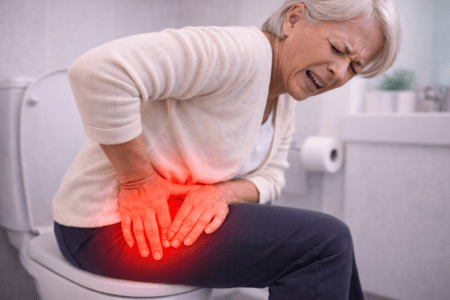
Rectal Pain: The Tiny, Fiery Villain Nobody Warned You About 😖🔥 When sitting, walking, and sneezing all feel personally offensive. When Rectal Pain Hijacks Your Entire Day 😫 Rectal pain is not something anyone expects to be Googling in the middle of the night— yet here you are. Sitting hurts. Walking hurts. Sneezing feels like a personal attack. It can feel sharp, burning, pressurized, or like something is deeply wrong even when nothing looks wrong from the outside. Quick note: This isn’t medical advice—just friendly information, validation, and encouragement. Always talk with a qualified professional about your specific situation. What’s Actually Going On? 🧠🩺 Rectal pain usually shows up when the highly sensitive tissues and nerves in and around the rectum become irritated, inflamed, or strained. Think of this area like a high-traffic roundabout. When everything flows smoothly, you don’t notice it. When something interrupts the flow—pain makes sure you notice. Hemorrhoids Anal fissures (tiny tears) Pelvic floor muscle spasms Proctalgia fugax (sudden muscle cramps) Constipation or straining Inflammation or infection Stress (yes, even here) Why It Hurts (and Why You’re NOT Imagining It) 😤 Rectal pain feels intense because the nerve endings in this area are extremely sensitive. Even small issues can feel enormous. You’re not dramatic. You’re not weak. You’re dealing with a body part that has zero tolerance for irritation. “Rectal pain doesn’t care about your schedule, your dignity, or your plans — but you’re still allowed to laugh and keep living.” When to Call in the Pros ⚠️ Bleeding that doesn’t stop Fever or chills Severe pain with bowel movements A growing or extremely painful lump Pain waking you from sleep Unexplained weight loss Pain lasting more than a few days Home Strategies That Actually Help 🏡 Warm baths to relax pelvic muscles Soft wipes or gentle toilet paper Hydration to ease bowel movements Breaking up long sitting sessions Supportive cushions or donut pillows Loose, breathable clothing Real-Life Stuff: Work, Sleep & Sanity 😴💼❤️ Rectal pain follows you into meetings, bedtime, car rides, and social plans. Small adjustments—movement breaks, supportive seating, and honest communication— can protect your energy and mental health. “You are more than the worst moment of your pain — even when that moment is extremely inconveniently located.” You’re Not Alone 🌱 Rectal pain can feel isolating, embarrassing, or scary—but support exists. With patience, care, and the right guidance, relief is possible. Join the ItHurts Community 💬 Connect with people who understand rectal pain and pelvic health—without judgment. Join the Community Friendly Medical Disclaimer: This content is educational and supportive only and does not replace professional medical care. Always seek help for serious or worsening symptoms.
 Written by Karrie