ItHurts Ouch Files: Raynaud’s Phenomenon Edition Cold Hands, Hot Drama: When Your Fingers Turn Into Petty, Color-Changing Divas Raynaud’s phenomenon causes blood vessels in the fingers or toes to temporarily narrow in response to cold or stress, leading to color changes, numbness, and discomfort. Managing warmth, triggers, and circulation can help reduce symptoms. If your fingers suddenly turn white, blue, or purple when exposed to cold temperatures, your circulation may be reacting strongly to environmental triggers. Raynaud’s phenomenon occurs when small blood vessels narrow temporarily, reducing blood flow to the fingers or toes. During an episode, affected areas may feel numb, cold, or painful until circulation returns. While the condition can be uncomfortable, understanding triggers and taking preventive steps can help reduce the frequency and intensity of attacks. 3 Practical Tips for Managing Raynaud’s Symptoms 🔥 Keep Your Core Warm Maintaining overall body warmth helps support healthy circulation. Layer clothing, wear warm socks, and keep gloves nearby in colder environments. Warming the body’s core often helps prevent blood vessels in the hands and feet from narrowing. ☕ Limit Circulation Triggers Substances like caffeine and nicotine can cause blood vessels to constrict, which may worsen Raynaud’s symptoms. Reducing intake of stimulants and avoiding smoking can support better circulation in the hands and feet. 🧘 Manage Stress and Encourage Movement Stress can trigger Raynaud’s episodes in some people. Relaxation techniques, deep breathing, and gentle hand or finger movements may help restore circulation and reduce the severity of symptoms. The Honest Reality Raynaud’s phenomenon can vary from mild and occasional to more frequent or uncomfortable episodes. If attacks become severe, frequent, or lead to skin changes or sores, medical evaluation is important. A healthcare professional can help determine whether the condition is primary Raynaud’s or related to another underlying condition. If it Hurts we can help. If pain has taken over your sleep, your mood, or your search history, come find your people. Join the ItHurts Community Disclaimer: Enjoy the “Ouch Files” for the laughs and the lessons, but treat us like a supportive friend rather than a diagnostic tool. We aren’t doctors, and this content is not medical advice. Raynaud’s phenomenon should be evaluated by a qualified healthcare professional if symptoms are severe, persistent, or worsening.
ItHurts Ouch Files: Pyelonephritis Pain Edition Your Kidneys Are Throwing a Rave (And You Were Not Invited): A Pyelonephritis Survival Guide Pyelonephritis is a serious kidney infection that can cause fever, back pain, nausea, and urinary symptoms. Early medical care, proper hydration, and adequate rest are essential for recovery and preventing complications. When your lower back hurts, your body feels weak, and fever or chills show up uninvited, it may be more than simple fatigue. Pyelonephritis is a kidney infection that can develop when bacteria from a urinary tract infection travel upward into the kidneys. This condition can cause significant discomfort, including deep back pain, nausea, fever, and frequent or painful urination. Because the kidneys play an important role in filtering waste and maintaining fluid balance, infections affecting them require prompt medical attention. 3 Important Tips for Managing Pyelonephritis Symptoms 🥤 Stay Hydrated Drinking enough fluids helps the body flush bacteria from the urinary tract and kidneys. Sip water regularly throughout the day and aim for pale yellow urine as a sign of good hydration. It is best to limit caffeine and alcohol during recovery. ��� Prioritize Rest Kidney infections place stress on the body. Adequate rest allows the immune system to focus on fighting the infection and helps reduce fatigue and discomfort. Lying down with support for the lower back may also help relieve pressure and pain. 🚨 Seek Medical Treatment Early Pyelonephritis usually requires medical treatment such as antibiotics prescribed by a healthcare professional. Early treatment can help stop the infection, reduce symptoms faster, and prevent complications that may affect kidney function. The Honest Reality A kidney infection is not something to ignore or “push through.” Fever, severe back pain, nausea, or urinary symptoms should be taken seriously. Seeking timely medical care can make recovery faster and protect your kidneys from long-term damage. If it Hurts we can help. If pain has taken over your sleep, your mood, or your search history, come find your people. Join the ItHurts Community Disclaimer: Enjoy the “Ouch Files” for the laughs and the lessons, but treat us like a supportive friend rather than a diagnostic tool. We aren’t doctors, and this content is not medical advice. Pyelonephritis is a serious kidney infection that requires professional medical evaluation and treatment.
ItHurts Ouch Files: Psoriatic Arthritis Pain Edition Psoriatic Arthritis: When Your Immune System Chooses Violence (And Your Joints File a Formal Complaint) Psoriatic arthritis can cause joint pain, swelling, stiffness, and fatigue. Managing inflammation, staying gently active, and maintaining healthy habits can help reduce symptoms and improve daily mobility. Psoriatic arthritis can feel unpredictable. One day your joints cooperate, and the next they behave like they’ve staged a protest. Fingers, wrists, knees, and ankles may become swollen, stiff, or painful, making everyday tasks more difficult than they should be. This condition isn’t just about occasional aches. It’s an autoimmune disorder where the immune system mistakenly attacks healthy tissues, leading to inflammation in the joints and surrounding areas. Managing symptoms often requires a combination of lifestyle adjustments, medical care, and self-awareness. 3 Practical Tips for Managing Psoriatic Arthritis 🧊 Cool the Inflammation Applying cold packs to swollen joints for about 10–15 minutes may help reduce swelling and temporarily numb pain signals. Gentle contrast showers that alternate between warm and cool water may also help stimulate circulation and reduce stiffness. 🧘 Keep Joints Moving Gently Regular, low-impact movement can help reduce stiffness and maintain joint flexibility. Activities like walking, swimming, yoga, or tai chi can support joint health without placing excessive strain on inflamed areas. 🥗 Support Your Body With Anti-Inflammatory Foods A balanced diet rich in omega-3 fatty acids, fruits, vegetables, and whole foods may help reduce inflammation. Limiting highly processed foods, excess sugar, and alcohol may also support better symptom control. The Honest Reality Psoriatic arthritis symptoms can vary from day to day. Some days may feel manageable, while others may require extra rest and care. Learning to pace activities, track triggers, and work with healthcare professionals can help create a long-term plan for managing symptoms and protecting joint health. If it Hurts we can help. If pain has taken over your sleep, your mood, or your search history, come find your people. Join the ItHurts Community Disclaimer: Enjoy the “Ouch Files” for the laughs and the lessons, but treat us like a supportive friend rather than a diagnostic tool. We aren’t doctors, and this content is not medical advice. Psoriatic arthritis is a medical condition that requires professional evaluation and treatment by qualified healthcare providers.
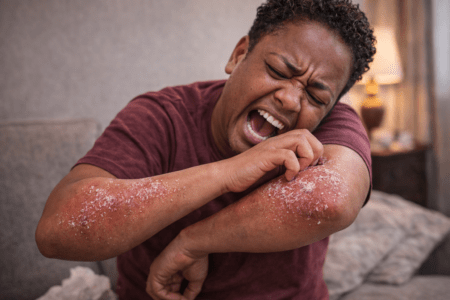
ItHurts Ouch Files: Psoriasis Pain Edition Psoriasis: When Your Skin Decides to Beef With You—Publicly Psoriasis can bring itching, burning, cracked skin, and emotional stress. Understanding triggers, protecting the skin barrier, and reducing inflammation can help manage symptoms and improve daily comfort. Psoriasis is that uninvited houseguest who shows up, rearranges your furniture, flakes everywhere, and then has the audacity to itch loudly in public. It’s not just dry skin. It’s your immune system throwing a dramatic tantrum on your elbows, scalp, knees, and anywhere else it can grab attention. But psoriasis pain isn’t only about visible patches. Many people experience burning sensations, cracking skin, stiffness, and the frustration of constantly explaining that the condition isn’t contagious. Managing psoriasis often means addressing both the physical discomfort and the emotional impact. 3 Life-Changing Tips for Calming Psoriasis 💧 Moisturize Like It’s Your Job Psoriasis skin loses moisture quickly. Thick fragrance-free creams or ointments work better than thin lotions. Apply within a few minutes after bathing and look for ingredients such as ceramides, glycerin, petrolatum, or colloidal oatmeal to help strengthen the skin barrier and reduce itching. 📝 Track Your Triggers Psoriasis flares often follow patterns. Stress, cold weather, alcohol, smoking, infections, and skin injuries can trigger symptoms. Keeping a simple journal of sleep, stress levels, food, weather, and flare intensity can help identify patterns and prevent future flare-ups. 🔥 Treat the Inflammation — Not Just the Flakes Psoriasis is an inflammatory condition. Medicated topical treatments, controlled light therapy, gentle movement, stress management, and adequate sleep may help calm inflammation and reduce pain. If symptoms worsen or spread, professional medical guidance is important. The Honest Reality Psoriasis can affect comfort, confidence, sleep, and daily routines. Managing the condition often requires a combination of skincare, lifestyle adjustments, and medical treatments. Working with healthcare professionals can help create a plan that keeps symptoms under better control. If it Hurts we can help. If pain has taken over your sleep, your mood, or your search history, come find your people. Join the ItHurts Community Disclaimer: Enjoy the “Ouch Files” for the laughs and the lessons, but treat us like a supportive friend rather than a diagnostic tool. We aren’t doctors, and this content is not medical advice. Psoriasis is a medical condition that should be evaluated and treated by qualified healthcare professionals.
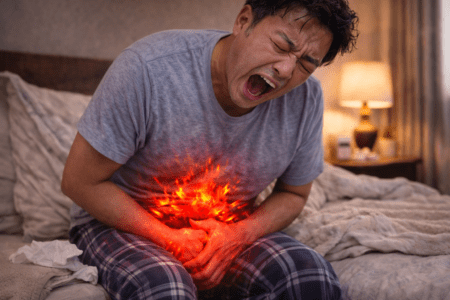
Your Prostate Is Having a Meltdown (And You’re Just Trying to Sit): A Survival Guide for Prostatitis
ItHurts Ouch Files: Prostate Cancer Pain Edition Your Prostate Has Opinions — And Right Now It’s Filing a Noise Complaint Prostate cancer can bring physical pain, fatigue, and emotional stress. Understanding symptoms and working with your care team can help improve comfort and quality of life. Prostate cancer can affect daily life in ways that extend beyond physical symptoms. Pain, treatment side effects, fatigue, and emotional strain often occur together. Monitoring symptoms and communicating with healthcare providers can help create more effective pain management strategies. 3 Practical Strategies That May Help Manage Prostate Cancer Pain 📊 Track Pain Patterns Keep notes about when pain appears, where it occurs, and what triggers it. Sharing these patterns with your doctor can help guide better treatment decisions. 🚶 Gentle Movement and Activity Short walks, light stretching, or physical therapy exercises recommended by your care team may help improve circulation and reduce stiffness. 🧠 Seek Support and Communication Talking openly with healthcare providers, family, or support groups can reduce emotional stress and help manage the psychological impact of chronic pain. The Honest Reality Prostate cancer pain can affect sleep, mood, relationships, and daily routines. Seeking support, staying informed, and working closely with your care team can help you manage these challenges more effectively. If it Hurts we can help. If pain has taken over your sleep, your mood, or your search history, come find your people. Join the ItHurts Community Disclaimer: Enjoy the “Ouch Files” for the laughs and the lessons, but treat us like a supportive friend rather than a diagnostic tool. We aren’t doctors, and this content is not medical advice. Prostate cancer requires professional medical care, and any symptoms or treatment decisions should be discussed with a qualified healthcare provider.
Afghanistan
Albania
Algeria
Andorra
Angola
Argentina
Armenia
Australia
Austria
Azerbaijan
Bahrain
Bangladesh
Barbados
Belarus
Belgium
Belize
Benin
Bhutan
Bolivia
Bosnia and Herzegovina
Botswana
Brazil
Brunei
Bulgaria
Burkina Faso
Burundi
Cambodia
Cameroon
Canada
Cape Verde
Central African Republic
Chad
Chile
China
Colombia
Comoros
Congo
Costa Rica
Croatia
Cuba
Cyprus
Czech Republic
Denmark
Djibouti
Dominican Republic
Ecuador
Egypt
El Salvador
Estonia
Ethiopia
Finland
France
Gabon
Gambia
Georgia
Germany
Ghana
Greece
Guatemala
Guinea
Guyana
Haiti
Honduras
Hungary
Iceland
India
Indonesia
Iran
Iraq
Ireland
Israel
Italy
Jamaica
Japan
Jordan
Kazakhstan
Kenya
Kuwait
Kyrgyzstan
Laos
Latvia
Lebanon
Lesotho
Liberia
Libya
Lithuania
Luxembourg
Madagascar
Malawi
Malaysia
Maldives
Mali
Malta
Mauritania
Mauritius
Mexico
Moldova
Mongolia
Montenegro
Morocco
Mozambique
Myanmar
Namibia
Nepal
Netherlands
New Zealand
Nicaragua
Niger
Nigeria
Norway
Oman
Pakistan
Panama
Paraguay
Peru
Philippines
Poland
Portugal
Qatar
Romania
Russia
Rwanda
Saudi Arabia
Senegal
Serbia
Singapore
Slovakia
Slovenia
South Africa
South Korea
Spain
Sri Lanka
Sudan
Sweden
Switzerland
Syria
Taiwan
Tajikistan
Tanzania
Thailand
Turkey
Turkmenistan
Uganda
Ukraine
United Arab Emirates
United Kingdom
United States
Uruguay
Uzbekistan
Venezuela
Vietnam
Yemen
Zambia
Zimbabwe