United States
Afghanistan
Albania
Algeria
Andorra
Angola
Argentina
Armenia
Australia
Austria
Azerbaijan
Bahrain
Bangladesh
Barbados
Belarus
Belgium
Belize
Benin
Bhutan
Bolivia
Bosnia and Herzegovina
Botswana
Brazil
Brunei
Bulgaria
Burkina Faso
Burundi
Cambodia
Cameroon
Canada
Cape Verde
Central African Republic
Chad
Chile
China
Colombia
Comoros
Congo
Costa Rica
Croatia
Cuba
Cyprus
Czech Republic
Denmark
Djibouti
Dominican Republic
Ecuador
Egypt
El Salvador
Estonia
Ethiopia
Finland
France
Gabon
Gambia
Georgia
Germany
Ghana
Greece
Guatemala
Guinea
Guyana
Haiti
Honduras
Hungary
Iceland
India
Indonesia
Iran
Iraq
Ireland
Israel
Italy
Jamaica
Japan
Jordan
Kazakhstan
Kenya
Kuwait
Kyrgyzstan
Laos
Latvia
Lebanon
Lesotho
Liberia
Libya
Lithuania
Luxembourg
Madagascar
Malawi
Malaysia
Maldives
Mali
Malta
Mauritania
Mauritius
Mexico
Moldova
Mongolia
Montenegro
Morocco
Mozambique
Myanmar
Namibia
Nepal
Netherlands
New Zealand
Nicaragua
Niger
Nigeria
Norway
Oman
Pakistan
Panama
Paraguay
Peru
Philippines
Poland
Portugal
Qatar
Romania
Russia
Rwanda
Saudi Arabia
Senegal
Serbia
Singapore
Slovakia
Slovenia
South Africa
South Korea
Spain
Sri Lanka
Sudan
Sweden
Switzerland
Syria
Taiwan
Tajikistan
Tanzania
Thailand
Turkey
Turkmenistan
Uganda
Ukraine
United Arab Emirates
United Kingdom
United States
Uruguay
Uzbekistan
Venezuela
Vietnam
Yemen
Zambia
Zimbabwe

News

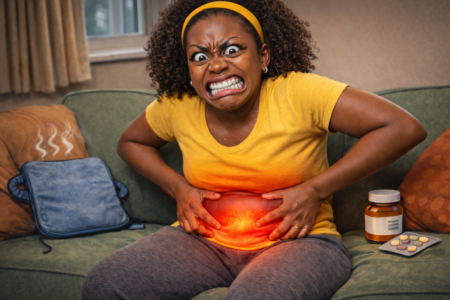
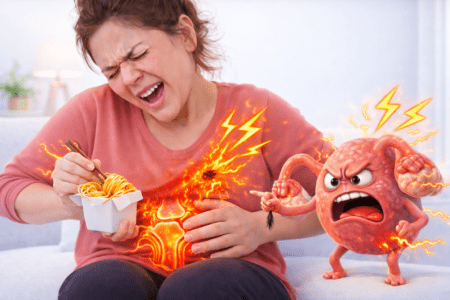
Your Belly Is Throwing a Riot: A Slightly Unhinged Survival Guide to Peritoneal Carcinomatosis

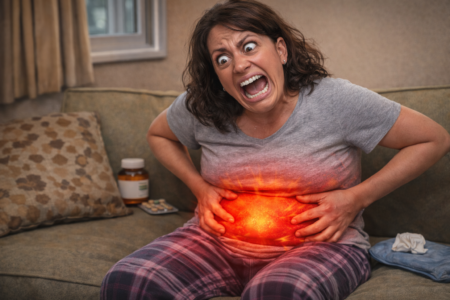
ItHurts Ouch Files: Peritoneal Carcinomatosis Edition Your Belly Is Throwing a Riot: A Slightly Unhinged Survival Guide to Peritoneal Carcinomatosis When abdominal pressure, bloating, and pain decide to throw a full-scale rebellion inside your body. Welcome to peritoneal carcinomatosis — where even sitting comfortably becomes a strategic operation. There are bad days. There are really bad days. And then there are days when your abdomen feels like it hosted a surprise rave and invited inflammation, pressure, bloating, and pain without asking permission. Peritoneal carcinomatosis occurs when cancer spreads to the lining of the abdominal cavity. This can cause significant pressure, swelling, digestive discomfort, and persistent pain that affects even basic activities like sitting, standing, or eating. 3 Practical Strategies That May Help Reduce Discomfort 🎈 Reduce Abdominal Pressure Pressure from bloating or fluid buildup can worsen pain. Sitting slightly reclined with pillows supporting the upper body can reduce abdominal strain. Avoid lying completely flat and wear loose clothing to reduce compression around the abdomen. 🍲 Eat Smaller, Gentle Meals Large meals can increase abdominal pressure and worsen discomfort. Eating smaller portions more frequently and choosing easy-to-digest foods like soups, soft proteins, and simple carbohydrates can help reduce digestive strain. 🔋 Pace Your Energy Pain and fatigue often occur together. Plan activities with rest breaks and avoid pushing through exhaustion. Conserving energy throughout the day can help prevent pain flare-ups and support overall comfort. If it Hurts we can help. If pain has taken over your sleep, your mood, or your search history, come find your people. Join the ItHurts Community Disclaimer: Enjoy the “Ouch Files” for the laughs and the lessons, but treat us like a witty friend rather than a diagnostic tool. We aren’t doctors, and this content is not medical advice. Peritoneal carcinomatosis is a serious condition that requires medical care. Always consult a qualified healthcare professional for diagnosis and treatment.

Your Legs Aren’t Lazy — Your Arteries Are Ghosting You

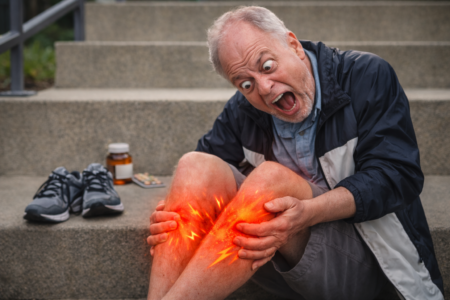
ItHurts Ouch Files: Peripheral Artery Disease Edition Your Legs Aren’t Lazy — Your Arteries Are Ghosting You 👻 Peripheral Artery Disease happens when narrowed arteries reduce blood flow to the legs, causing pain, cramping, and fatigue during activity. When circulation slows down, even a short walk can feel like your legs ran a marathon without warning. If your legs start screaming after a short walk like they just ran a marathon they didn’t train for, your circulation may be struggling. Peripheral Artery Disease (PAD) occurs when arteries narrow and reduce blood flow to the limbs, usually the legs. This reduced blood flow means muscles receive less oxygen during activity. The result can be cramping, heaviness, numbness, or fatigue that improves with rest but returns when walking resumes. 3 Practical Habits That May Support Circulation 🚶 Structured Walking Can Improve Blood Flow Walking programs are one of the most recommended strategies for PAD. Walking until mild discomfort begins, resting briefly, and then continuing can help the body develop alternative blood pathways that improve circulation over time. 🧦 Keep Your Legs Warm Cold temperatures can cause blood vessels to constrict. Wearing warm socks, avoiding prolonged exposure to cold, and warming muscles before activity can help support healthier blood flow. 🥗 Support Artery Health With Nutrition A diet rich in vegetables, fruits, healthy fats, and lean proteins can help reduce inflammation and support vascular health. Limiting highly processed foods, excess sugar, and smoking is also important for protecting circulation. If it Hurts we can help. If pain has taken over your sleep, your mood, or your search history, come find your people. Join the ItHurts Community Disclaimer: Enjoy the “Ouch Files” for the laughs and the lessons, but treat us like a witty friend rather than a diagnostic tool. We aren’t doctors, and this content is not medical advice. Peripheral Artery Disease is a serious medical condition and should be evaluated by a qualified healthcare professional.

Your Pancreas Is Throwing a Rage Party (And You’re the Unpaid Bouncer)

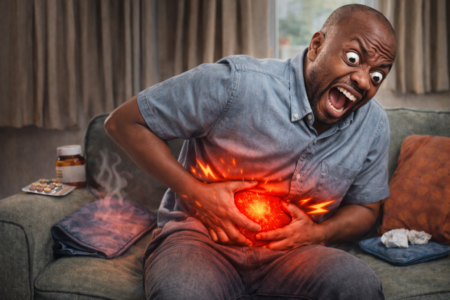
ItHurts Ouch Files: Pancreatitis Edition Your Pancreas Is Throwing a Rage Party (And You’re the Unpaid Bouncer) Pancreatitis occurs when the pancreas becomes inflamed, causing intense abdominal pain that can radiate to the back. When this small organ gets angry, digestion, comfort, and energy can all suffer. Pancreatitis pain can feel overwhelming. It often appears suddenly and may cause deep abdominal discomfort, nausea, and fatigue that make everyday activities difficult. Supporting recovery usually involves reducing strain on the pancreas while allowing inflammation to settle. Small lifestyle adjustments can sometimes help reduce flare intensity and support healing. 3 Practical Habits That May Help During Pancreatitis Recovery 🥗 Choose Low-Fat Meals Fatty foods force the pancreas to release digestive enzymes, which can worsen inflammation during flare-ups. Eating smaller, low-fat meals can reduce strain on the pancreas and help the digestive system recover. 🧊 Use Heat or Cold for Comfort Warm compresses may help relax abdominal muscles, while short applications of cold packs can calm inflammatory discomfort. Alternating between the two may provide temporary relief. 🛌 Prioritize Rest and Stress Reduction Inflammation and stress can amplify pain signals. Adequate rest, gentle breathing, and avoiding overexertion allow the body to focus energy on healing. If it Hurts we can help. If pain has taken over your sleep, your mood, or your search history, come find your people. Join the ItHurts Community Disclaimer: Enjoy the “Ouch Files” for the laughs and the lessons, but treat us like a witty friend rather than a diagnostic tool. We aren’t doctors, and this content is not medical advice. Pancreatitis can be serious and requires medical evaluation. Always consult a qualified healthcare professional for diagnosis and treatment.

When Your Pancreas Chooses Violence: A Survival Guide for Laughing Through the Pain

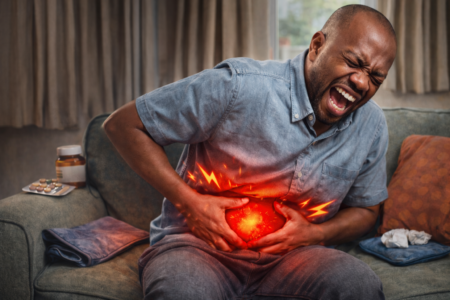
ItHurts Ouch Files: Pancreatic Cancer Edition When Your Pancreas Chooses Violence Pancreatic cancer can cause deep abdominal and back pain due to inflammation and nerve involvement. When the pancreas becomes affected, digestion, comfort, and energy levels may all be impacted. Pancreatic cancer pain is often persistent and can radiate toward the back. The discomfort may worsen after eating or when lying in certain positions, making everyday activities more difficult. While medical care is essential for treatment, certain habits and supportive strategies may help reduce discomfort and improve daily comfort. 3 Practical Strategies That May Help Reduce Discomfort 🧍 Adjust Your Posture for Comfort Leaning slightly forward while sitting or resting on your side with knees gently bent may reduce pressure on abdominal nerves. Small posture adjustments can sometimes ease radiating back pain. 🍽️ Eat Smaller, Gentle Meals Large meals can place additional strain on the digestive system. Eating smaller, more frequent meals and avoiding heavy or greasy foods may help reduce discomfort after eating. 🧠 Support Your Nervous System Slow breathing, calming music, or brief relaxation exercises may help reduce stress signals that amplify pain perception. If it Hurts we can help. If pain has taken over your sleep, your mood, or your search history, come find your people. Join the ItHurts Community Disclaimer: Enjoy the “Ouch Files” for the laughs and the lessons, but treat us like a witty friend rather than a diagnostic tool. We aren’t doctors, and this content is not medical advice. Pancreatic cancer is a serious medical condition and should always be managed with professional medical care.

PID: When Your Pelvis Starts a Riot and Doesn’t Invite You

ItHurts Ouch Files: Pelvic Inflammatory Disease Edition PID: When Your Pelvis Starts a Riot and Doesn’t Invite You Pelvic Inflammatory Disease (PID) is an infection affecting the female reproductive organs. It can cause pelvic pain, abdominal discomfort, fatigue, and other symptoms that may worsen if left untreated. PID often develops when bacteria spread from the vagina or cervix into the uterus, fallopian tubes, or ovaries. Symptoms may include pelvic pain, unusual discharge, fever, or discomfort during movement. Early medical treatment is important to prevent complications. While antibiotics are typically required to treat the infection, certain supportive strategies may help reduce discomfort during recovery. 3 Practical Strategies That May Help Reduce Discomfort 🔥 Use Gentle Heat Applying a warm heating pad or compress to the lower abdomen may help relax pelvic muscles and reduce tension-related pain. Limit sessions to about 15–20 minutes with breaks between uses. 🛌 Prioritize Rest Reducing physical strain can help the body focus energy on healing. Resting with pillows supporting the hips or lower back may help relieve pressure in the pelvic area. 💊 Follow Medical Treatment Carefully PID usually requires antibiotics prescribed by a healthcare professional. Taking medication exactly as directed and completing the full course of treatment is important to fully address the infection. If symptoms worsen or include fever, severe pain, or unusual discharge, seek medical care promptly. If it Hurts we can help. If pain has taken over your sleep, your mood, or your search history, come find your people. Join the ItHurts Community Disclaimer: Enjoy the “Ouch Files” for the laughs and the lessons, but treat us like a witty friend rather than a diagnostic tool. We aren’t doctors, and this content is not medical advice. Pelvic Inflammatory Disease requires professional medical care and should always be evaluated by a qualified healthcare provider.

PCOS: When Your Ovaries Start a Startup Without HR, Oversight, or a Moral Compass

ItHurts Ouch Files: PCOS Edition PCOS: When Your Ovaries Start a Startup Without HR, Oversight, or a Moral Compass Polycystic Ovary Syndrome (PCOS) is a hormonal condition that can affect menstrual cycles, metabolism, and overall reproductive health. Symptoms may include pelvic discomfort, fatigue, irregular periods, and hormonal fluctuations. PCOS symptoms can vary widely from person to person. Hormonal changes may affect energy levels, inflammation, metabolism, and menstrual cycles. While medical guidance is important, supportive daily habits may help improve overall comfort and symptom management. 3 Practical Habits That May Help Manage PCOS Symptoms 🥗 Support Hormone Balance Through Nutrition Balanced meals that include protein, fiber, and healthy fats may help stabilize blood sugar levels and support hormonal balance. 🧘 Choose Consistent, Gentle Exercise Regular activities such as walking, yoga, or light strength training may help improve circulation, metabolic health, and energy levels. 🌙 Prioritize Sleep and Recovery Maintaining a consistent sleep schedule and reducing evening screen time may support hormonal regulation and overall wellbeing. If symptoms worsen or significantly affect daily life, consulting a healthcare professional can help determine appropriate treatment options. If it Hurts we can help. If pain has taken over your sleep, your mood, or your search history, come find your people. Join the ItHurts Community Disclaimer: Enjoy the “Ouch Files” for the laughs and the lessons, but treat us like a witty friend rather than a diagnostic tool. We aren’t doctors, and this content is not medical advice. PCOS should always be evaluated and managed with guidance from qualified healthcare professionals.