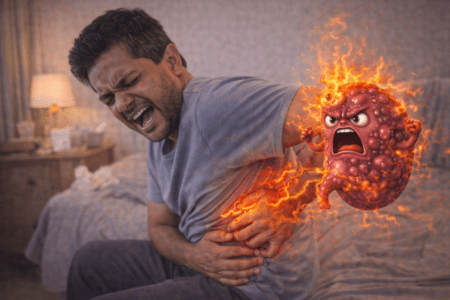
ItHurts Ouch Files: Liver Cancer Edition Your Liver Didn’t Sign Up for This: A Survival Guide to Liver Cancer Pain Liver cancer can cause persistent abdominal discomfort, fatigue, and pressure in the upper abdomen. Managing symptoms often requires a combination of medical treatment, lifestyle adjustments, and supportive care. The liver plays a vital role in digestion, metabolism, and detoxification. When cancer affects this organ, symptoms may include abdominal pain, swelling, fatigue, loss of appetite, and general discomfort that can impact daily life. While medical treatment is essential for managing liver cancer, supportive habits may help reduce discomfort and improve quality of life alongside professional care. 3 Practical Tips That May Help Manage Liver Cancer Discomfort 🍽️ Eat Smaller, Balanced Meals Large meals can increase abdominal pressure and worsen discomfort. Eating smaller portions throughout the day and focusing on nutrient-dense foods may help reduce strain on the digestive system. 🛏️ Use Supportive Body Positioning Sleeping with the upper body slightly elevated or using pillows to support the body may help reduce abdominal pressure and improve comfort while resting. 🧠 Track Pain and Communicate With Your Care Team Keeping a simple record of pain levels, triggers, and symptom changes can help healthcare providers adjust treatment plans and improve pain management strategies. Liver cancer can affect both physical comfort and emotional wellbeing. Support from healthcare providers, caregivers, and communities can make a meaningful difference while navigating treatment and recovery. If it Hurts we can help. If pain has taken over your sleep, your mood, or your search history, come find your people. Join the ItHurts Community Disclaimer: Enjoy the “Ouch Files” for the laughs and the lessons, but treat us like a witty friend rather than a diagnostic tool. We aren’t doctors, and this content is not medical advice. Liver cancer is a serious condition that requires professional medical care. If you are experiencing symptoms or managing a diagnosis, consult qualified healthcare professionals for guidance and treatment.
ItHurts Ouch Files: Leukemia Edition Leukemia: When Your Blood Decides to Freelance (And Your Body Files a Complaint) Leukemia affects the body’s blood-forming tissues and may lead to fatigue, bone pain, and changes in overall energy levels. Leukemia is a type of cancer that affects blood and bone marrow. Many people experience fatigue, bone pain, and overall physical discomfort while managing the condition. While medical treatment is essential, supportive habits may help people manage symptoms and maintain comfort throughout daily routines. 3 Practical Tips That May Help Manage Leukemia-Related Pain 🦴 Address Bone Pain Early Alternating heat and cold therapy, practicing gentle range-of-motion movement, and using supportive pillows for sleep positioning may help reduce stiffness and pressure within joints and bones. 🧠 Manage Energy and Fatigue Leukemia-related fatigue can affect both physical energy and mental clarity. Planning activities in small energy blocks and taking rest breaks before exhaustion may help prevent pain from worsening. 😌 Support Daily Comfort Small adjustments—such as eating soft foods during mouth irritation, applying cold compresses to sensitive areas, and maintaining consistent care routines—may help prevent symptoms from escalating. Support from healthcare providers, loved ones, and communities can make a meaningful difference while navigating serious health conditions. If it Hurts we can help. If pain has taken over your sleep, your mood, or your search history, come find your people. Join the ItHurts Community Disclaimer: Enjoy the “Ouch Files” for the laughs and the lessons, but treat us like a witty friend rather than a diagnostic tool. We aren’t doctors, and this content is not medical advice. Leukemia requires diagnosis and treatment from qualified healthcare professionals. Always consult your healthcare provider regarding symptoms and treatment options.
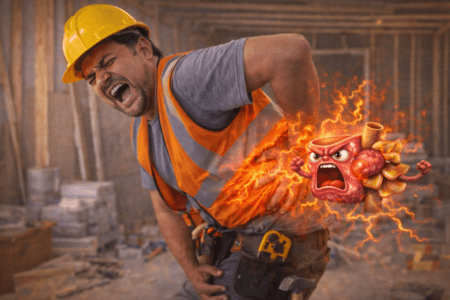
ItHurts Ouch Files: Kidney Cancer Edition When Your Kidney Starts Acting Like a Villain in a Telenovela Kidney cancer can cause persistent discomfort in the flank or lower back, along with fatigue and other symptoms that affect daily life. Managing pain often involves medical treatment combined with supportive lifestyle adjustments. The kidneys play a critical role in filtering waste, balancing fluids, and maintaining overall body health. When cancer affects the kidney, symptoms may include flank pain, fatigue, appetite changes, and reduced physical endurance. While medical care is essential for managing kidney cancer, supportive daily habits may help reduce discomfort and improve quality of life during treatment. 3 Practical Tips That May Help Manage Kidney Cancer Discomfort 🧠 Manage Energy Levels Carefully Chronic illness and pain can significantly affect energy levels. Planning activities around periods of higher energy and taking regular rest breaks may help prevent exhaustion and pain flare-ups. 💧 Maintain Consistent Hydration Staying hydrated throughout the day may help support kidney function. Small, regular sips of water and balanced fluid intake—guided by healthcare advice—can help reduce unnecessary strain on the kidneys. 🛌 Adjust Body Position for Comfort Sleeping or resting on the non-painful side and using supportive pillows may help reduce pressure on sensitive areas. Gentle posture adjustments during sitting or resting may also help relieve tension in the lower back and flank area. Kidney cancer symptoms can affect both physical comfort and emotional wellbeing. Support from healthcare professionals, family, and community resources can help individuals navigate treatment and recovery more effectively. If it Hurts we can help. If pain has taken over your sleep, your mood, or your search history, come find your people. Join the ItHurts Community Disclaimer: Enjoy the “Ouch Files” for the laughs and the lessons, but treat us like a witty friend rather than a diagnostic tool. We aren’t doctors, and this content is not medical advice. Kidney cancer and related symptoms require professional medical evaluation and treatment. Always consult qualified healthcare providers for diagnosis and care.
ItHurts Ouch Files: Interstitial Cystitis Edition 🔥 Your Bladder Is a Drama Queen: A Survival Guide to Interstitial Cystitis Interstitial cystitis can cause bladder pressure, pelvic pain, and frequent urination that disrupt daily life and sleep. If you have Interstitial Cystitis (IC), your bladder can feel unpredictable and overly sensitive. Symptoms may include bladder pressure, pelvic pain, frequent urination, and discomfort that flares without warning. Many people describe IC as a constant negotiation with their bladder—trying to manage triggers while maintaining daily routines. Although IC requires medical evaluation and treatment, certain supportive habits may help reduce flare intensity and improve comfort. 3 Practical Tips That May Help Manage IC Symptoms 🍽 Identify and Avoid Trigger Foods Acidic foods, caffeine, alcohol, and artificial sweeteners may worsen bladder irritation for some people. Keeping a simple food and symptom log can help identify personal triggers. 🧘 Relax the Pelvic Floor Tight pelvic muscles may increase urgency and discomfort. Gentle breathing exercises, heat therapy on the lower abdomen, and pelvic floor physical therapy may help reduce tension. 🧰 Prepare a Flare-Day Toolkit Planning ahead for symptom flare-ups may make them easier to manage. Heat packs, hydration, gentle movement, and guidance from healthcare providers can support symptom relief. Living with IC can be frustrating and isolating, but support from healthcare professionals and communities can help people better navigate the condition. If it Hurts we can help. If pain has taken over your sleep, your mood, or your search history, come find your people. Join the ItHurts Community Disclaimer: Enjoy the “Ouch Files” for the laughs and the lessons, but treat us like a witty friend rather than a diagnostic tool. We aren’t doctors, and this content is not medical advice. Interstitial cystitis is a complex condition that may require evaluation and treatment from qualified healthcare professionals.
ItHurts Ouch Files: Hidradenitis Suppurativa Edition Hidradenitis Suppurativa: When Your Sweat Glands Decide to Start a Rebellion Hidradenitis Suppurativa (HS) is a chronic inflammatory skin condition that causes painful lumps, swelling, and recurring lesions—often in areas where skin rubs together such as the armpits, groin, or under the breasts. Hidradenitis Suppurativa occurs when hair follicles become blocked and inflamed, leading to painful nodules that may flare repeatedly over time. The condition can affect daily comfort, mobility, and emotional wellbeing. While HS requires medical guidance for proper management, certain lifestyle habits may help reduce irritation and support skin health between flare-ups. 3 Practical Tips That May Help Reduce HS Flare-Ups 🧼 Be Gentle With Your Skin HS is not caused by poor hygiene. Using mild, fragrance-free cleansers and avoiding aggressive scrubbing may help prevent further irritation of sensitive skin areas. 👕 Reduce Friction and Moisture Loose-fitting clothing and breathable fabrics such as cotton can help reduce friction and trapped moisture in areas prone to HS flare-ups. 🔥 Address Flare-Ups Early Warm compresses, reducing pressure on affected areas, and monitoring personal triggers such as stress or friction may help manage symptoms when flare-ups begin. Living with HS can be physically and emotionally challenging. Supportive communities and professional medical care can help people better understand the condition and manage symptoms over time. If it Hurts we can help. If pain has taken over your sleep, your mood, or your search history, come find your people. Join the ItHurts Community Disclaimer: Enjoy the “Ouch Files” for the laughs and the lessons, but treat us like a witty friend rather than a diagnostic tool. We aren’t doctors, and this content is not medical advice. Hidradenitis Suppurativa is a medical condition that may require evaluation and treatment by qualified healthcare professionals such as dermatologists.
ItHurts Ouch Files: Herniated Disc Edition Your Spine Threw a Coup: A Survival Guide for When a Herniated Disc Ruins Your Personality A herniated disc can cause back pain, nerve pressure, and uncomfortable symptoms that affect everyday movement. The good news is that many people improve with supportive care and proper recovery strategies. A herniated disc occurs when one of the cushioning discs between the bones of the spine pushes outward and presses on nearby nerves. This pressure can cause back pain, neck pain, numbness, or tingling that may travel into the arms or legs. The condition can develop after lifting injuries, sudden twisting movements, or long-term strain on the spine. With proper care, supportive movement, and professional guidance, many people recover and regain mobility. 3 Practical Tips That May Help Manage Herniated Disc Pain 🧘 Relax the Body with Slow Breathing Pain often causes muscles around the spine to tighten, which increases pressure on the injured disc. Practicing slow breathing—inhale for 4 seconds and exhale for 6 seconds—can help relax surrounding muscles and reduce tension. 🪑 Maintain Neutral Posture Balanced posture helps distribute pressure across the spine. Sit with feet flat on the floor, keep hips slightly higher than knees, and change positions every 20–30 minutes to reduce spinal stress. 💪 Strengthen Supporting Muscles Carefully Gentle strengthening exercises such as glute bridges, light core work, and low-impact movement can help stabilize the spine. Always avoid exercises that trigger sharp or worsening pain. Recovery often improves when movement, posture, and supportive care work together to protect the injured disc. If it Hurts we can help. If pain has taken over your sleep, your mood, or your search history, come find your people. Join the ItHurts Community Disclaimer: Enjoy the “Ouch Files” for the laughs and the lessons, but treat us like a witty friend rather than a diagnostic tool. We aren’t doctors, and this content is not medical advice. Herniated discs can require professional evaluation and treatment. If you experience severe pain, weakness, numbness, or worsening symptoms, consult a qualified healthcare professional.
Afghanistan
Albania
Algeria
Andorra
Angola
Argentina
Armenia
Australia
Austria
Azerbaijan
Bahrain
Bangladesh
Barbados
Belarus
Belgium
Belize
Benin
Bhutan
Bolivia
Bosnia and Herzegovina
Botswana
Brazil
Brunei
Bulgaria
Burkina Faso
Burundi
Cambodia
Cameroon
Canada
Cape Verde
Central African Republic
Chad
Chile
China
Colombia
Comoros
Congo
Costa Rica
Croatia
Cuba
Cyprus
Czech Republic
Denmark
Djibouti
Dominican Republic
Ecuador
Egypt
El Salvador
Estonia
Ethiopia
Finland
France
Gabon
Gambia
Georgia
Germany
Ghana
Greece
Guatemala
Guinea
Guyana
Haiti
Honduras
Hungary
Iceland
India
Indonesia
Iran
Iraq
Ireland
Israel
Italy
Jamaica
Japan
Jordan
Kazakhstan
Kenya
Kuwait
Kyrgyzstan
Laos
Latvia
Lebanon
Lesotho
Liberia
Libya
Lithuania
Luxembourg
Madagascar
Malawi
Malaysia
Maldives
Mali
Malta
Mauritania
Mauritius
Mexico
Moldova
Mongolia
Montenegro
Morocco
Mozambique
Myanmar
Namibia
Nepal
Netherlands
New Zealand
Nicaragua
Niger
Nigeria
Norway
Oman
Pakistan
Panama
Paraguay
Peru
Philippines
Poland
Portugal
Qatar
Romania
Russia
Rwanda
Saudi Arabia
Senegal
Serbia
Singapore
Slovakia
Slovenia
South Africa
South Korea
Spain
Sri Lanka
Sudan
Sweden
Switzerland
Syria
Taiwan
Tajikistan
Tanzania
Thailand
Turkey
Turkmenistan
Uganda
Ukraine
United Arab Emirates
United Kingdom
United States
Uruguay
Uzbekistan
Venezuela
Vietnam
Yemen
Zambia
Zimbabwe