ItHurts Ouch Files: Head & Neck Cancer Edition Your Head, Your Neck, and the Audacity of Cancer Head and neck cancers can cause pain, swelling, stiffness, and difficulty swallowing. Managing symptoms often requires coordinated medical care alongside supportive daily habits. Head and neck cancers refer to a group of cancers that develop in areas such as the throat, mouth, sinuses, or neck. These conditions may cause pain, swelling, muscle stiffness, or difficulty swallowing. People experiencing these conditions may also notice jaw discomfort, throat irritation, and limited neck mobility. Managing symptoms often involves coordinated medical care alongside supportive strategies that improve comfort and mobility. 3 Practical Tips That May Help Manage Discomfort 🔄 Maintain Gentle Neck Mobility Neck stiffness and muscle tension can occur during treatment or recovery. Gentle neck movements such as slow turns and tilts, along with warm compresses, may help improve circulation and reduce tightness. 🥣 Protect Mouth and Throat Comfort Eating and speaking may become uncomfortable if the mouth or throat is irritated. Choosing softer foods, staying hydrated, and following professional guidance for mouth care may help reduce irritation. 🤝 Seek Support and Reduce Stress Stress and isolation can increase fatigue and pain perception. Support from healthcare professionals, communities, and trusted individuals can help improve coping and emotional well-being. Supportive habits combined with professional care can help people manage symptoms while maintaining daily quality of life. If it Hurts we can help. If pain has taken over your sleep, your mood, or your search history, come find your people. Join the ItHurts Community Disclaimer: Enjoy the “Ouch Files” for the laughs and the lessons, but treat us like a witty friend rather than a diagnostic tool. We aren’t doctors, and this content is not medical advice. Head and neck cancers require professional diagnosis and treatment. If you experience persistent pain, difficulty swallowing, or unusual symptoms in the mouth or neck, consult a qualified healthcare professional.
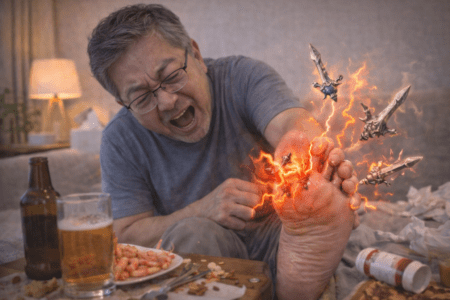
ItHurts Ouch Files: Gout Edition Gout: When Your Big Toe Decides It’s Done Cooperating Gout is a type of inflammatory arthritis caused by a buildup of uric acid crystals inside joints. It commonly affects the big toe and can cause sudden, intense pain, swelling, and redness. Gout occurs when excess uric acid in the bloodstream forms tiny needle-like crystals inside a joint. These crystals trigger inflammation, leading to sudden pain and swelling that can make even light pressure uncomfortable. Although gout attacks can be severe, proper lifestyle adjustments and medical care may help reduce flare-ups and support long-term joint health. 3 Practical Tips That May Help Manage Gout Symptoms 🥗 Adjust Diet to Reduce Uric Acid Limiting foods high in purines—such as red meat, organ meats, and certain seafood—may help reduce uric acid levels. Choosing lean proteins, vegetables, and whole grains may support healthier metabolism. 🧊 Calm Inflammation During Flares Cold packs applied to the affected joint for 15–20 minutes may help reduce swelling and discomfort. Elevating and resting the joint can also help minimize irritation during flare-ups. 💧 Stay Hydrated and Monitor Levels Drinking adequate water helps the body eliminate uric acid through the kidneys. Regular monitoring with a healthcare provider may help prevent recurring gout attacks. Managing gout often involves long-term lifestyle habits and medical guidance. With proper care, many people successfully reduce the frequency and severity of gout flare-ups. If it Hurts we can help. If pain has taken over your sleep, your mood, or your search history, come find your people. Join the ItHurts Community Disclaimer: Enjoy the “Ouch Files” for the laughs and the lessons, but treat us like a witty friend rather than a diagnostic tool. We aren’t doctors, and this content is not medical advice. If gout symptoms are severe, recurring, or worsening, consult a qualified healthcare professional for proper diagnosis and treatment.
ItHurts Ouch Files: Gallstones Edition Gallstones: When Your Gallbladder Starts Throwing Rocks Gallstones are hardened deposits that form inside the gallbladder. These stones can block bile flow and cause sudden abdominal pain, often referred to as a gallbladder attack. The gallbladder is a small organ that stores bile, a digestive fluid that helps break down fats. When gallstones form and block bile flow, it can cause intense pain in the upper right abdomen that may spread to the back or shoulder. Symptoms may appear suddenly and can worsen after eating fatty meals. Some people may also experience nausea, bloating, or digestive discomfort. 3 Practical Tips That May Help Manage Gallstone Symptoms 🥗 Adjust Diet to Reduce Gallbladder Stress Choosing lower-fat meals and increasing fiber intake may help reduce pressure on the gallbladder. Lean proteins, vegetables, fruits, and whole grains are often easier to digest. 🚶 Support Digestion After Meals Remaining upright for 30–60 minutes after eating and taking gentle walks may help support digestion and bile flow. Avoid lying down immediately after meals. ⚠️ Recognize Serious Symptoms Severe abdominal pain, fever, vomiting, or yellowing of the skin or eyes may signal complications such as infection or bile duct blockage and require medical attention. While lifestyle habits may help reduce discomfort, persistent gallstone symptoms should be evaluated by a healthcare professional to determine appropriate treatment. If it Hurts we can help. If pain has taken over your sleep, your mood, or your search history, come find your people. Join the ItHurts Community Disclaimer: Enjoy the “Ouch Files” for the laughs and the lessons, but treat us like a witty friend rather than a diagnostic tool. We aren’t doctors, and this content is not medical advice. Gallstones and gallbladder conditions may require evaluation and treatment by a qualified healthcare professional.
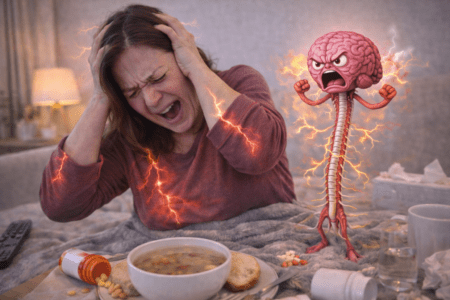
ItHurts Ouch Files: Fibromyalgia Edition Your Nervous System Is a Drama Queen Fibromyalgia causes widespread pain, fatigue, sleep disturbances, and sensitivity to pressure due to changes in how the nervous system processes pain signals. Fibromyalgia is a chronic condition characterized by widespread musculoskeletal pain, fatigue, sleep disturbances, and heightened sensitivity to pressure. It is believed to involve changes in how the brain and nervous system process pain signals. People living with fibromyalgia often experience persistent body aches, tender points, fatigue, and cognitive difficulties sometimes referred to as “fibro fog.” Managing symptoms usually involves medical care, lifestyle adjustments, and supportive strategies. 3 Practical Tips That May Help Manage Fibromyalgia Symptoms 🧘 Calm the Nervous System Slow breathing exercises, gentle movement such as walking or stretching, and consistent low-intensity activity may help calm the nervous system and reduce pain sensitivity. 🛌 Prioritize Rest and Energy Management Taking breaks before exhaustion, maintaining consistent sleep habits, and using relaxation techniques such as heat therapy may help reduce fatigue and prevent symptom flare-ups. 🥗 Support the Body with Balanced Nutrition Eating regular meals with protein and fiber, including anti-inflammatory foods, and staying hydrated may help stabilize energy levels and support overall wellbeing. Managing fibromyalgia often involves combining supportive habits with professional medical guidance to reduce symptoms and improve daily quality of life. If it Hurts we can help. If pain has taken over your sleep, your mood, or your search history, come find your people. Join the ItHurts Community Disclaimer: Enjoy the “Ouch Files” for the laughs and the lessons, but treat us like a witty friend rather than a diagnostic tool. We aren’t doctors, and this content is not medical advice. Fibromyalgia is a complex condition that requires professional diagnosis and management. If symptoms worsen or interfere with daily life, consult a qualified healthcare professional.
ItHurts Ouch Files: Esophageal Cancer Edition Your Throat Is Not a Suggestion Box Esophageal cancer can cause painful swallowing, pressure in the chest, and irritation in the food tube that connects the throat to the stomach. Esophageal cancer affects the tube that carries food from the throat to the stomach. One of the most common symptoms is difficulty swallowing, often accompanied by pain, pressure, or a burning sensation. Eating and drinking may become uncomfortable when the esophagus becomes irritated or narrowed. Adjusting food texture, eating habits, and posture during meals may help reduce irritation. 3 Supportive Tips That May Help Reduce Swallowing Discomfort 🥣 Choose Softer Foods and Eat Slowly Soft foods such as soups, smoothies, mashed vegetables, and stewed meals may be easier to swallow. Taking small bites and chewing thoroughly can reduce irritation in the esophagus. 🔥 Reduce Acid Reflux Irritation Avoid late-night meals and foods that trigger reflux such as spicy dishes, caffeine, or alcohol. Sleeping with the upper body slightly elevated may help reduce acid exposure. 🧘 Support Relaxation During Meals Stress can increase muscle tension and make swallowing harder. Slow breathing, upright posture, and calm eating environments may help reduce discomfort. Small adjustments to eating habits and posture may improve comfort while swallowing, but persistent symptoms should always be evaluated by healthcare professionals. If it Hurts we can help. If pain has taken over your sleep, your mood, or your search history, come find your people. Join the ItHurts Community Disclaimer: Enjoy the “Ouch Files” for the laughs and the lessons, but treat us like a witty friend rather than a diagnostic tool. We aren’t doctors, and this content is not medical advice. Esophageal cancer is a serious medical condition that requires evaluation and treatment by qualified healthcare professionals.
ItHurts Ouch Files: Epididymitis Edition Balls on Strike Epididymitis occurs when the epididymis — a small tube behind the testicle that stores sperm — becomes inflamed. Epididymitis can cause pain, swelling, tenderness, and discomfort in one side of the scrotum. Symptoms may make walking, sitting, or physical movement uncomfortable. The condition may be caused by infections, bacterial spread, trauma, or physical strain. Early care and proper medical evaluation are important for recovery. 3 Practical Tips That May Help Reduce Discomfort 🩲 Provide Support and Reduce Strain Wearing supportive underwear and resting with the scrotal area slightly elevated may help reduce tension and discomfort while inflammation improves. 🧊 Use Temperature Therapy Carefully Cold packs can help reduce swelling during flare-ups, while warm compresses may relax surrounding muscles later in recovery. Always wrap packs in a cloth. 🚶 Rest and Avoid Heavy Physical Activity Avoid heavy lifting, strenuous workouts, and activities that increase pressure in the groin area while symptoms are present. Rest, proper support, and medical guidance can help reduce inflammation and improve recovery. If it Hurts we can help. If pain has taken over your sleep, your mood, or your search history, come find your people. Join the ItHurts Community Disclaimer: Enjoy the “Ouch Files” for the laughs and the lessons, but treat us like a witty friend rather than a diagnostic tool. We aren’t doctors, and this content is not medical advice. Epididymitis may involve infection or other medical conditions that require professional evaluation and treatment.
Afghanistan
Albania
Algeria
Andorra
Angola
Argentina
Armenia
Australia
Austria
Azerbaijan
Bahrain
Bangladesh
Barbados
Belarus
Belgium
Belize
Benin
Bhutan
Bolivia
Bosnia and Herzegovina
Botswana
Brazil
Brunei
Bulgaria
Burkina Faso
Burundi
Cambodia
Cameroon
Canada
Cape Verde
Central African Republic
Chad
Chile
China
Colombia
Comoros
Congo
Costa Rica
Croatia
Cuba
Cyprus
Czech Republic
Denmark
Djibouti
Dominican Republic
Ecuador
Egypt
El Salvador
Estonia
Ethiopia
Finland
France
Gabon
Gambia
Georgia
Germany
Ghana
Greece
Guatemala
Guinea
Guyana
Haiti
Honduras
Hungary
Iceland
India
Indonesia
Iran
Iraq
Ireland
Israel
Italy
Jamaica
Japan
Jordan
Kazakhstan
Kenya
Kuwait
Kyrgyzstan
Laos
Latvia
Lebanon
Lesotho
Liberia
Libya
Lithuania
Luxembourg
Madagascar
Malawi
Malaysia
Maldives
Mali
Malta
Mauritania
Mauritius
Mexico
Moldova
Mongolia
Montenegro
Morocco
Mozambique
Myanmar
Namibia
Nepal
Netherlands
New Zealand
Nicaragua
Niger
Nigeria
Norway
Oman
Pakistan
Panama
Paraguay
Peru
Philippines
Poland
Portugal
Qatar
Romania
Russia
Rwanda
Saudi Arabia
Senegal
Serbia
Singapore
Slovakia
Slovenia
South Africa
South Korea
Spain
Sri Lanka
Sudan
Sweden
Switzerland
Syria
Taiwan
Tajikistan
Tanzania
Thailand
Turkey
Turkmenistan
Uganda
Ukraine
United Arab Emirates
United Kingdom
United States
Uruguay
Uzbekistan
Venezuela
Vietnam
Yemen
Zambia
Zimbabwe