ItHurts Ouch Files: Endometrial Cancer Edition Your Uterus Is Filing a Formal Complaint Endometrial cancer develops in the lining of the uterus and may cause abnormal bleeding, pelvic pressure, fatigue, or persistent discomfort. Endometrial cancer occurs when cells in the uterine lining begin to grow abnormally. One of the most common warning signs is unusual vaginal bleeding, especially outside normal menstrual cycles or after menopause. Other symptoms may include pelvic pain, pressure in the lower abdomen, fatigue, or discomfort during daily activities. Early medical evaluation is important when these symptoms appear. 3 Supportive Strategies That May Help Manage Symptoms 📝 Track Symptoms and Pain Patterns Keeping a record of bleeding patterns, pain levels, and other symptoms may help healthcare providers better understand the condition and guide diagnosis and treatment decisions. 🧘 Support the Nervous System Slow breathing exercises, gentle relaxation techniques, and warm compresses may help reduce muscle tension and improve comfort during periods of pelvic pain. 🥗 Focus on Anti-Inflammatory Nutrition Eating balanced meals with fruits, vegetables, healthy fats, and whole foods may help support overall health and energy levels during treatment or recovery. Early medical care, supportive habits, and ongoing monitoring can help people manage symptoms and maintain comfort during treatment. If it Hurts we can help. If pain has taken over your sleep, your mood, or your search history, come find your people. Join the ItHurts Community Disclaimer: Enjoy the “Ouch Files” for the laughs and the lessons, but treat us like a witty friend rather than a diagnostic tool. We aren’t doctors, and this content is not medical advice. If you experience abnormal bleeding, persistent pelvic pain, or other concerning symptoms, consult a qualified healthcare professional promptly.
ItHurts Ouch Files: Eczema Edition When Your Skin Declares War Eczema, also known as atopic dermatitis, is a chronic skin condition that causes itching, dryness, irritation, and inflammation of the skin. Eczema flare-ups can cause intense itching, redness, dryness, and irritation. These symptoms often appear when the skin barrier becomes weakened and more sensitive to environmental triggers. Although eczema can be persistent, protecting the skin barrier and reducing irritation can significantly improve comfort and reduce flare-ups. 3 Practical Tips That May Help Calm Eczema Symptoms 🧴 Moisturize Regularly Thick creams or ointments help restore the skin barrier and prevent moisture loss. Applying moisturizer immediately after bathing can lock hydration into the skin. 🚿 Adjust Shower Habits Using lukewarm water, limiting showers to 5–10 minutes, and choosing fragrance-free cleansers can help prevent additional skin irritation. ❄️ Reduce the Itch Cycle Cold compresses, keeping nails short, and using soothing ingredients like colloidal oatmeal may help calm itching and protect the skin from further damage. With consistent skincare routines and proper trigger management, many people can significantly reduce eczema flare-ups and improve daily comfort. If it Hurts we can help. If pain has taken over your sleep, your mood, or your search history, come find your people. Join the ItHurts Community Disclaimer: Enjoy the “Ouch Files” for the laughs and the lessons, but treat us like a witty friend rather than a diagnostic tool. We aren’t doctors, and this content is not medical advice. If eczema symptoms are persistent, worsening, or affecting daily life, consult a qualified healthcare professional or dermatologist.
ItHurts Ouch Files: Dysmenorrhea Edition When Your Uterus Starts a Monthly Riot Dysmenorrhea refers to painful menstrual cramps caused by uterine contractions during menstruation. Dysmenorrhea causes cramping pain in the lower abdomen during menstruation. These cramps are triggered by prostaglandins, hormone-like chemicals that cause the uterus to contract. Symptoms may include lower abdominal pain, lower back pain, nausea, fatigue, and discomfort that can interfere with daily activities. 3 Practical Tips That May Help Reduce Period Pain 🔥 Use Heat Therapy Applying a heating pad or hot water bottle to the lower abdomen or back may help relax uterine muscles and reduce cramping intensity. 🚶 Gentle Movement Can Help Light activities such as walking, stretching, or yoga may help improve circulation and release endorphins that naturally reduce pain. 🥗 Support Your Body With Balanced Nutrition Staying hydrated and consuming magnesium-rich foods such as leafy greens, bananas, and dark chocolate may help support muscle relaxation. With proper support, lifestyle adjustments, and symptom tracking, many people can improve comfort during their menstrual cycle. If it Hurts we can help. If pain has taken over your sleep, your mood, or your search history, come find your people. Join the ItHurts Community Disclaimer: Enjoy the “Ouch Files” for the laughs and the lessons, but treat us like a witty friend rather than a diagnostic tool. We aren’t doctors, and this content is not medical advice. If menstrual pain becomes severe, persistent, or interferes with daily life, consult a qualified healthcare professional.
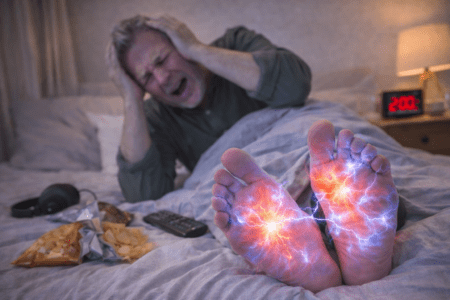
ItHurts Ouch Files: Diabetic Neuropathy Edition When Your Feet Throw a Rave Without Inviting You Diabetic neuropathy is nerve damage caused by prolonged high blood sugar levels and often affects the feet and legs. Diabetic neuropathy commonly causes burning sensations, tingling, numbness, or sharp nerve pain in the feet and lower legs. These symptoms may appear gradually and can interfere with walking, sleep, and daily comfort. Although medical treatment is essential, certain daily habits may help support nerve health and reduce discomfort. 3 Practical Tips That May Help Support Nerve Health 🩸 Maintain Stable Blood Sugar Monitoring blood glucose regularly and following a balanced diet that limits refined sugars may help slow nerve damage and reduce inflammation. 🦶 Protect and Care for Your Feet Daily foot inspections, moisturizing dry skin, and wearing supportive footwear can help prevent injuries that might go unnoticed due to reduced sensation. 🚶 Encourage Circulation Light physical activity, gentle stretching, and relaxation techniques may help improve blood flow and support nerve function. Consistent blood sugar control, protective foot care, and regular movement can help many people reduce symptoms and support long-term nerve health. If it Hurts we can help. If pain has taken over your sleep, your mood, or your search history, come find your people. Join the ItHurts Community Disclaimer: Enjoy the “Ouch Files” for the laughs and the lessons, but treat us like a witty friend rather than a diagnostic tool. We aren’t doctors, and this content is not medical advice. Diabetic neuropathy requires professional medical care and monitoring. If symptoms worsen or new nerve pain appears, consult a qualified healthcare professional.
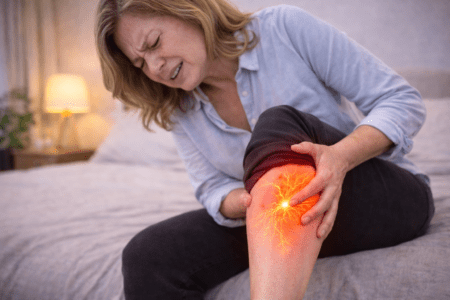
ItHurts Ouch Files: DVT Edition When Your Leg Thinks It’s Hosting a Secret Rave Deep Vein Thrombosis (DVT) occurs when a blood clot forms in a deep vein, usually in the legs, and can cause swelling, pain, warmth, and redness. Deep Vein Thrombosis develops when blood clots form in deep veins, most commonly in the legs. These clots can block circulation and cause swelling, pain, warmth, or redness in the affected area. DVT is a serious condition because a clot can travel to the lungs and cause a pulmonary embolism. Recognizing early warning signs and seeking medical care promptly is essential. 3 Practical Ways to Support Healthy Circulation 🚶 Keep Blood Flow Moving Standing, stretching, and walking regularly helps prevent blood from pooling in the legs during long periods of sitting or inactivity. 🧦 Consider Compression Socks Graduated compression stockings may help support veins and improve blood flow back toward the heart when recommended by a healthcare professional. 💧 Stay Properly Hydrated Drinking water consistently throughout the day helps maintain healthy circulation and supports overall vascular function. Regular movement, hydration, and proper circulation support can play an important role in maintaining vascular health and reducing clot risk. If it Hurts we can help. If pain has taken over your sleep, your mood, or your search history, come find your people. Join the ItHurts Community Disclaimer: Enjoy the “Ouch Files” for the laughs and the lessons, but treat us like a witty friend rather than a diagnostic tool. We aren’t doctors, and this content is not medical advice. Deep Vein Thrombosis is a serious medical condition that requires professional evaluation and treatment. If you experience leg swelling, warmth, pain, or redness, seek medical attention immediately.
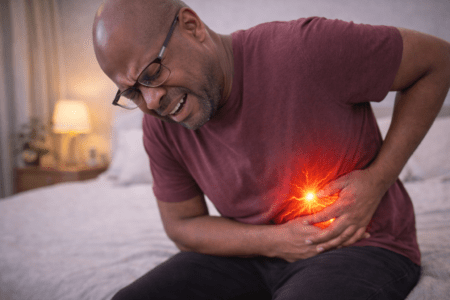
ItHurts Ouch Files: Colorectal Cancer Edition When Your Body Sends Digestive Warning Signs Colorectal cancer affects the colon or rectum and may cause changes in digestion, abdominal discomfort, fatigue, or unexplained weight loss. Colorectal cancer develops in the colon or rectum and may initially cause symptoms that resemble common digestive problems. These symptoms may include abdominal discomfort, changes in bowel habits, fatigue, or unexplained weight loss. Because these symptoms can overlap with many digestive conditions, paying attention to persistent or unusual changes in the body is important. Early awareness and medical evaluation can significantly improve outcomes. 3 Practical Steps That Support Early Awareness 📝 Track Symptoms Carefully Keeping a record of digestive symptoms such as pain location, bowel changes, fatigue, or unexplained weight loss can help healthcare providers identify patterns and guide medical testing. 💧 Support Healthy Digestion Staying hydrated, gradually increasing dietary fiber, and maintaining gentle physical activity like walking may support digestion and reduce strain during bowel movements. 🩺 Speak Openly With Healthcare Providers Discussing digestive symptoms honestly with a medical professional allows for proper evaluation, testing, and early detection when necessary. Early attention to persistent digestive symptoms can help people receive the care and evaluation they need. If it Hurts we can help. If pain has taken over your sleep, your mood, or your search history, come find your people. Join the ItHurts Community Disclaimer: Enjoy the “Ouch Files” for the laughs and the lessons, but treat us like a witty friend rather than a diagnostic tool. We aren’t doctors, and this content is not medical advice. If you experience persistent abdominal pain, bleeding, unexplained weight loss, or changes in bowel habits, consult a qualified healthcare professional for proper evaluation.
Afghanistan
Albania
Algeria
Andorra
Angola
Argentina
Armenia
Australia
Austria
Azerbaijan
Bahrain
Bangladesh
Barbados
Belarus
Belgium
Belize
Benin
Bhutan
Bolivia
Bosnia and Herzegovina
Botswana
Brazil
Brunei
Bulgaria
Burkina Faso
Burundi
Cambodia
Cameroon
Canada
Cape Verde
Central African Republic
Chad
Chile
China
Colombia
Comoros
Congo
Costa Rica
Croatia
Cuba
Cyprus
Czech Republic
Denmark
Djibouti
Dominican Republic
Ecuador
Egypt
El Salvador
Estonia
Ethiopia
Finland
France
Gabon
Gambia
Georgia
Germany
Ghana
Greece
Guatemala
Guinea
Guyana
Haiti
Honduras
Hungary
Iceland
India
Indonesia
Iran
Iraq
Ireland
Israel
Italy
Jamaica
Japan
Jordan
Kazakhstan
Kenya
Kuwait
Kyrgyzstan
Laos
Latvia
Lebanon
Lesotho
Liberia
Libya
Lithuania
Luxembourg
Madagascar
Malawi
Malaysia
Maldives
Mali
Malta
Mauritania
Mauritius
Mexico
Moldova
Mongolia
Montenegro
Morocco
Mozambique
Myanmar
Namibia
Nepal
Netherlands
New Zealand
Nicaragua
Niger
Nigeria
Norway
Oman
Pakistan
Panama
Paraguay
Peru
Philippines
Poland
Portugal
Qatar
Romania
Russia
Rwanda
Saudi Arabia
Senegal
Serbia
Singapore
Slovakia
Slovenia
South Africa
South Korea
Spain
Sri Lanka
Sudan
Sweden
Switzerland
Syria
Taiwan
Tajikistan
Tanzania
Thailand
Turkey
Turkmenistan
Uganda
Ukraine
United Arab Emirates
United Kingdom
United States
Uruguay
Uzbekistan
Venezuela
Vietnam
Yemen
Zambia
Zimbabwe