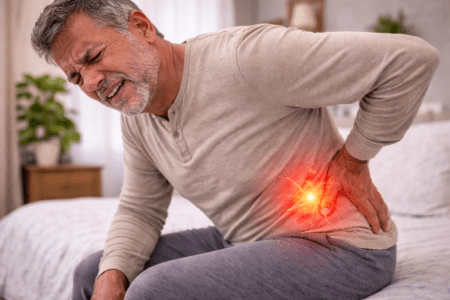
ItHurts Ouch Files: Cholecystitis Edition When Your Gallbladder Starts a Tiny, Spiteful Rave Cholecystitis is inflammation of the gallbladder, often caused by gallstones blocking bile flow and triggering abdominal pain. Cholecystitis occurs when the gallbladder becomes inflamed, usually because gallstones block the flow of bile. This blockage can cause sharp pain in the upper right abdomen, nausea, bloating, and discomfort after eating. Pain may appear suddenly and often worsens after fatty meals. While proper medical evaluation is essential, certain daily habits may help reduce discomfort and support digestion. 3 Practical Tips That May Help Reduce Gallbladder Discomfort 🥗 Choose Low-Fat Meals Eating lean proteins, vegetables, and whole grains may reduce gallbladder stimulation and help prevent painful flare-ups triggered by fatty foods. 🔥 Use Warm Compresses Carefully Applying gentle heat to the upper right abdomen for short periods may help relax surrounding muscles and ease discomfort. 🚶 Encourage Gentle Movement Light walking after meals and maintaining upright posture may support digestion and reduce abdominal pressure. Balanced meals, gentle movement, and paying attention to symptoms may help reduce irritation and support gallbladder health. If it Hurts we can help. If pain has taken over your sleep, your mood, or your search history, come find your people. Join the ItHurts Community Disclaimer: Enjoy the “Ouch Files” for the laughs and the lessons, but treat us like a witty friend rather than a diagnostic tool. We aren’t doctors, and this content is not medical advice. Cholecystitis can be a serious condition. If you experience severe abdominal pain, fever, nausea, vomiting, or worsening symptoms, seek medical care immediately.
ItHurts Ouch Files: Cervical Cancer Edition When Your Body Sends Pelvic Warning Signs Cervical cancer can cause pelvic pain, abnormal bleeding, and discomfort that may affect daily life and wellbeing. Cervical cancer may cause pelvic discomfort, abnormal bleeding, fatigue, and pain that can vary in intensity. Symptoms may appear gradually and sometimes interfere with daily activities or sleep. Managing pain often requires medical care, but supportive strategies may help people cope with symptoms and improve comfort alongside treatment. 3 Practical Ways to Support Comfort During Cervical Cancer Pain 📝 Track Pain Patterns Keeping a simple log of when pain occurs, what triggers it, and what helps relieve it can assist healthcare providers in adjusting treatment plans. 🔥 Support Pelvic Comfort Warm compresses, gentle breathing exercises, and supportive resting positions may help reduce tension and pressure in the pelvic area. 🤝 Seek Emotional and Community Support Speaking openly with healthcare providers and connecting with supportive communities can help reduce isolation and improve emotional wellbeing. Combining professional medical care with supportive coping strategies may help people better manage the challenges associated with cervical cancer pain. If it Hurts we can help. If pain has taken over your sleep, your mood, or your search history, come find your people. Join the ItHurts Community Disclaimer: Enjoy the “Ouch Files” for the laughs and the lessons, but treat us like a witty friend rather than a diagnostic tool. We aren’t doctors, and this content is not medical advice. Cervical cancer requires professional medical evaluation and treatment. Always consult your doctor or healthcare provider for diagnosis and care.
Breast Cancer: Managing Chest Pain, Nerve Sensitivity, and Post-Treatment Discomfort Breast cancer can cause different types of discomfort throughout diagnosis, treatment, and recovery. Pain may occur due to surgery, radiation therapy, nerve irritation, or muscle tension in the chest and shoulders. People living with breast cancer may experience sensations such as burning, pulling, tightness, nerve sensitivity, or aching in the chest area. These symptoms can vary depending on treatment type and healing progress. Supportive care strategies can help improve comfort and daily functioning while medical treatment continues. 3 Supportive Strategies to Manage Breast Cancer Pain 1️⃣ Support Nerve Comfort and Sensitivity Nerve pain can occur after surgery or radiation and may create sensations such as tingling, burning, or sensitivity to touch. Helpful approaches include: • Gentle desensitization using soft fabrics or light touch • Warm or cool compresses (as recommended by healthcare providers) • Breathing exercises combined with gentle chest and shoulder movement Gradual exposure to gentle sensation can help nerves adapt during recovery. 2️⃣ Choose Comfortable, Supportive Clothing Clothing that creates pressure or friction around the chest area may increase discomfort. Helpful options include: • Soft, seamless bras or camisoles • Front-closure bras for easier dressing • Tag-free, breathable fabrics Reducing pressure and irritation may help minimize pain and sensitivity. 3️⃣ Maintain Gentle Movement After treatment, stiffness can develop in the chest, shoulders, and upper back if movement is avoided. Helpful exercises may include: • Gentle shoulder rolls • Light chest opening stretches • Short, frequent movement breaks throughout the day Movement helps improve circulation, maintain flexibility, and prevent stiffness. If it Hurts we can help Join ItHurts — the Social Network for Pain. A supportive community where people experiencing pain can connect with others, learn coping strategies, and share experiences with individuals who understand life with chronic illness and treatment-related pain. #ItHurts #ItHurtsCommunity #BoobsAreRude #painfreelife ⚠️ Protective Disclaimer This article is intended for informational purposes only and does not replace professional medical advice. Breast cancer is a serious medical condition that requires diagnosis and treatment by qualified healthcare professionals. If pain is new, worsening, or concerning, consult your oncologist or healthcare provider for proper evaluation and guidance. If it Hurts we can help. Join the Community
ItHurts Ouch Files: Brain Tumor Edition When Pressure Builds Inside the Brain Brain tumors occur when abnormal cells grow within the brain or surrounding tissues, potentially causing headaches, neurological symptoms, and pressure within the skull. Brain tumors may be benign (non-cancerous) or malignant (cancerous). Both types can affect how the brain functions depending on their location, size, and growth rate. Common symptoms include persistent headaches, pressure in the head, nausea, fatigue, vision changes, dizziness, balance problems, or changes in memory and concentration. 3 Supportive Strategies That May Help Manage Symptoms 🧠 Manage Head Pressure and Headaches Sleeping with the head slightly elevated, moving slowly when changing positions, and tracking headache patterns may help reduce discomfort and assist healthcare providers in adjusting treatment plans. 🌙 Reduce Sensory Overload Dim lighting, lower screen brightness, and quiet environments may help decrease sensitivity to light, sound, or visual stimulation that can worsen neurological discomfort. 🛌 Prioritize Rest and Energy Conservation Scheduling regular rest breaks, breaking tasks into smaller steps, and allowing recovery time between activities may help reduce fatigue and prevent symptom flare-ups. Supportive lifestyle adjustments may improve comfort while individuals receive appropriate medical care. If it Hurts we can help. If pain has taken over your sleep, your mood, or your search history, come find your people. Join the ItHurts Community Disclaimer: Enjoy the “Ouch Files” for the laughs and the lessons, but treat us like a witty friend rather than a diagnostic tool. We aren’t doctors, and this content is not medical advice. Brain tumors are serious medical conditions that require evaluation and treatment by qualified healthcare professionals.
ItHurts Ouch Files: Bone Metastases Edition When Cancer Pain Travels to the Bones Bone metastases occur when cancer spreads to the bones, often causing persistent bone pain, weakness, and increased fracture risk. Bone metastases develop when cancer cells spread from their original location to the bones. This can occur with several types of cancer, including breast, prostate, lung, and kidney cancers. The condition may lead to deep, persistent bone pain that can worsen with movement or at night. Managing symptoms often requires a combination of medical treatment and supportive care strategies. 3 Practical Tips That May Help Manage Bone Metastases Pain 💊 Follow a Consistent Pain Management Plan Taking prescribed medications as directed and reporting new or worsening pain to healthcare providers can help maintain better pain control. 🚶 Balance Activity With Rest Gentle movement such as short walks can help maintain circulation and mobility while avoiding heavy lifting or sudden movements that may stress weakened bones. 🛌 Use Supportive Comfort Techniques Warm or cool compresses, supportive pillows, and relaxation exercises may help reduce discomfort and improve overall comfort during treatment. Combining medical treatment with supportive daily habits can help improve comfort and quality of life for people experiencing bone metastases pain. If it Hurts we can help. If pain has taken over your sleep, your mood, or your search history, come find your people. Join the ItHurts Community Disclaimer: Enjoy the “Ouch Files” for the laughs and the lessons, but treat us like a witty friend rather than a diagnostic tool. We aren’t doctors, and this content is not medical advice. Bone metastases require evaluation and treatment by qualified healthcare professionals. Always consult your oncologist or healthcare provider for diagnosis and treatment decisions.
ItHurts Ouch Files: Bone Cancer Edition When Bone Pain Refuses to Stay Quiet Bone cancer can cause persistent bone pain, swelling, fatigue, and weakness that may worsen with movement or during the night. Bone cancer occurs when abnormal cells grow in bone tissue. It may originate in the bone itself (primary bone cancer) or spread from cancers in other parts of the body. Persistent bone pain is one of the most common symptoms. The discomfort may intensify with activity or appear more severe during nighttime rest. 3 Practical Tips That May Help Manage Bone Cancer Pain 💊 Follow a Consistent Pain Management Plan Taking prescribed medications on schedule and communicating pain changes to healthcare providers can help maintain more stable pain control. 🚶 Balance Movement With Rest Gentle activity such as short walks or guided physical therapy exercises may help maintain mobility while avoiding strain on affected bones. 🤝 Seek Emotional and Community Support Connecting with support groups, counselors, or communities of people experiencing chronic illness may help reduce isolation and improve emotional wellbeing. Working closely with healthcare providers while using supportive daily habits can help people better manage bone cancer pain and maintain quality of life. If it Hurts we can help. If pain has taken over your sleep, your mood, or your search history, come find your people. Join the ItHurts Community Disclaimer: Enjoy the “Ouch Files” for the laughs and the lessons, but treat us like a witty friend rather than a diagnostic tool. We aren’t doctors, and this content is not medical advice. Bone cancer requires diagnosis and treatment by qualified healthcare professionals. Always consult your healthcare provider or oncologist for appropriate care.
Afghanistan
Albania
Algeria
Andorra
Angola
Argentina
Armenia
Australia
Austria
Azerbaijan
Bahrain
Bangladesh
Barbados
Belarus
Belgium
Belize
Benin
Bhutan
Bolivia
Bosnia and Herzegovina
Botswana
Brazil
Brunei
Bulgaria
Burkina Faso
Burundi
Cambodia
Cameroon
Canada
Cape Verde
Central African Republic
Chad
Chile
China
Colombia
Comoros
Congo
Costa Rica
Croatia
Cuba
Cyprus
Czech Republic
Denmark
Djibouti
Dominican Republic
Ecuador
Egypt
El Salvador
Estonia
Ethiopia
Finland
France
Gabon
Gambia
Georgia
Germany
Ghana
Greece
Guatemala
Guinea
Guyana
Haiti
Honduras
Hungary
Iceland
India
Indonesia
Iran
Iraq
Ireland
Israel
Italy
Jamaica
Japan
Jordan
Kazakhstan
Kenya
Kuwait
Kyrgyzstan
Laos
Latvia
Lebanon
Lesotho
Liberia
Libya
Lithuania
Luxembourg
Madagascar
Malawi
Malaysia
Maldives
Mali
Malta
Mauritania
Mauritius
Mexico
Moldova
Mongolia
Montenegro
Morocco
Mozambique
Myanmar
Namibia
Nepal
Netherlands
New Zealand
Nicaragua
Niger
Nigeria
Norway
Oman
Pakistan
Panama
Paraguay
Peru
Philippines
Poland
Portugal
Qatar
Romania
Russia
Rwanda
Saudi Arabia
Senegal
Serbia
Singapore
Slovakia
Slovenia
South Africa
South Korea
Spain
Sri Lanka
Sudan
Sweden
Switzerland
Syria
Taiwan
Tajikistan
Tanzania
Thailand
Turkey
Turkmenistan
Uganda
Ukraine
United Arab Emirates
United Kingdom
United States
Uruguay
Uzbekistan
Venezuela
Vietnam
Yemen
Zambia
Zimbabwe