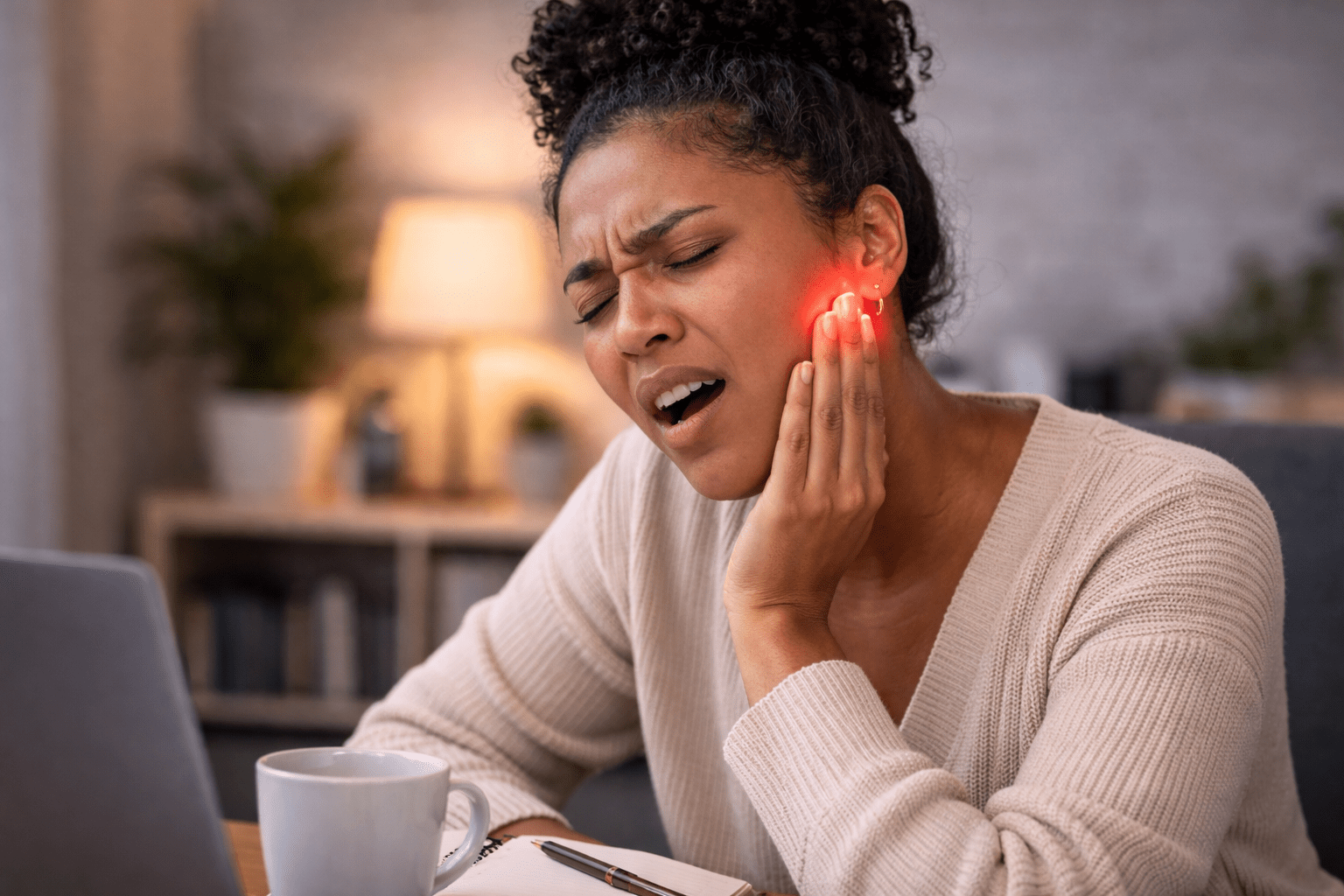
ItHurts Ouch Files: Tonsillitis Edition Tonsillitis: When Your Throat Becomes Painfully Inflamed Tonsillitis occurs when the tonsils become inflamed due to viral or bacterial infection, often causing throat pain and difficulty swallowing. Tonsillitis develops when the tonsils—two small glands located at the back of the throat—become infected or inflamed. This can lead to soreness, swelling, difficulty swallowing, and sometimes fever or swollen lymph nodes. Although tonsillitis can feel very uncomfortable, supportive care can often reduce irritation while the body recovers. 3 Practical Ways to Help Manage Tonsillitis Symptoms 🧊 Use Cold and Warm Soothing Methods Cold drinks, ice chips, or popsicles may reduce swelling, while warm saltwater gargles can help soothe irritated throat tissues. 🥣 Choose Soft, Easy-to-Swallow Foods Broths, soups, yogurt, smoothies, and soft foods may reduce irritation while the throat heals. 💧 Stay Hydrated and Manage Pain Drinking fluids regularly and using appropriate pain relief medications may help keep throat tissues moist and reduce discomfort. Most mild cases improve as the infection clears, especially when the throat is kept hydrated and irritation is minimized. If it Hurts we can help. If pain has taken over your sleep, your mood, or your search history, come find your people. Join the ItHurts Community Disclaimer: Enjoy the “Ouch Files” for the laughs and the lessons, but treat us like a helpful friend rather than a diagnostic tool. We aren’t doctors, and this content is not medical advice. If tonsillitis becomes severe, causes breathing problems, high fever, or difficulty swallowing, consult a qualified healthcare professional.
ItHurts Ouch Files: Tension Headache Edition Tension Headaches: When Your Head Feels Like It’s Being Squeezed Tension headaches are one of the most common headache types and are often linked to tight muscles in the neck, shoulders, scalp, and jaw. Tension headaches typically cause dull pressure around the forehead or the back of the head and neck. Many people describe the sensation as a tight band around the head. Although they can be uncomfortable, lifestyle adjustments and simple self-care strategies may help reduce their frequency and intensity. 3 Practical Ways to Help Manage Tension Headaches 🧘 Relax Muscle Tension and Reduce Stress Slow breathing, relaxing the shoulders and jaw, and taking short breaks during stressful activities may help calm the nervous system and reduce muscle tightness. 💻 Improve Posture During Daily Activities Keeping screens at eye level, sitting upright, and taking movement breaks every 30–45 minutes can reduce strain on neck and shoulder muscles that contribute to headaches. 🔥 Use Gentle Massage and Heat Therapy Light massage of the temples and neck or applying a warm compress to the neck for 10–15 minutes may help relax tight muscles and improve circulation. Combining posture awareness, relaxation techniques, and muscle care can often help reduce tension headache triggers. If it Hurts we can help. If pain has taken over your sleep, your mood, or your search history, come find your people. Join the ItHurts Community Disclaimer: Enjoy the “Ouch Files” for the laughs and the lessons, but treat us like a helpful friend rather than a diagnostic tool. We are not doctors, and this content is not medical advice. If headaches become severe, frequent, or occur alongside other concerning symptoms, consult a qualified healthcare professional.
ItHurts Ouch Files: Tennis Elbow Edition Tennis Elbow: When Your Elbow Declares Everyday Tasks a Personal Attack Lateral epicondylitis, commonly called tennis elbow, occurs when tendons connecting your forearm muscles to your elbow become irritated or inflamed, often due to repetitive motion or overuse. Even everyday movements like typing, lifting, or gripping objects can become painful. Symptoms often include tenderness on the outer elbow, weakness when holding objects, or discomfort during wrist or forearm movement. Supportive care, rest, and gradual strengthening often help reduce strain and promote recovery. 3 Practical Ways to Help Manage Tennis Elbow 🛑 Reduce Excessive Gripping Use ergonomic tools, relax your grip during repetitive tasks, and take short breaks to minimize tendon stress and irritation. ❄️ Apply Ice to Reduce Inflammation Apply ice for 15–20 minutes with a cloth barrier after activities that trigger pain to reduce swelling and relieve discomfort. 💪 Strengthen the Forearm Gradually Once pain eases, perform gentle wrist and forearm exercises with slow, controlled movements, gradually increasing resistance to support tendon recovery. If it Hurts we can help. Come connect with people who understand the challenges of living with tendon pain. Join the ItHurts Community Disclaimer: Enjoy the “Ouch Files” for tips and insights, but treat us as a supportive guide—not a diagnostic tool. We are not doctors. If elbow pain persists, worsens, or interferes with daily activity, consult a qualified healthcare professional for evaluation and treatment.
ItHurts Ouch Files: Tendonitis Edition Tendonitis: When Your Tendons Quiet-Quit Tendonitis occurs when a tendon becomes irritated or inflamed due to repetitive movement, overuse, or sudden increases in activity. Tendons are strong tissues that connect muscles to bones and help your body move efficiently. When these tissues become overworked, tiny tears and inflammation can develop, leading to pain and stiffness. Common symptoms include localized pain, swelling, tenderness, or stiffness near a joint. The discomfort often becomes more noticeable during movement or after repeated use of the affected area. Although tendonitis can be frustrating, supportive care and gradual recovery strategies often help the tendon heal over time. 3 Practical Ways to Help Manage Tendonitis 🛑 Reduce Stress on the Tendon Limit activities that trigger pain and modify movements rather than stopping activity entirely. Allowing the affected area time to rest helps reduce irritation and supports the healing process. ❄️ Use Ice to Calm Inflammation Apply ice for about 10–15 minutes using a cloth barrier between the ice and skin. Cold therapy can help reduce swelling and provide temporary pain relief. 💪 Strengthen the Area Gradually Once pain begins to improve, gentle strengthening exercises and slow increases in resistance can help tendons adapt and reduce the risk of future irritation. Gradual recovery, reduced strain, and controlled strengthening often help tendons return to normal function. If it Hurts we can help. If pain has taken over your sleep, your mood, or your search history, come find your people. Join the ItHurts Community Disclaimer: Enjoy the “Ouch Files” for the laughs and the lessons, but treat us like a helpful guide rather than a diagnostic tool. We are not doctors, and this content is not medical advice. If tendon pain persists, worsens, or interferes with daily activities, consult a qualified healthcare professional.
ItHurts Ouch Files: TMJ Edition TMJ: When Your Jaw Starts Fights It Can’t Finish Temporomandibular joint (TMJ) disorders occur when the jaw joint becomes irritated or strained, leading to pain, clicking, headaches, and muscle tension around the face and neck. The temporomandibular joint connects your jaw to your skull and allows you to speak, chew, and move your mouth. When this joint becomes irritated or overworked, it can lead to TMJ discomfort. Common symptoms include jaw pain, clicking or popping sounds, headaches, ear discomfort, neck tension, and facial fatigue. These symptoms may worsen with stress, teeth grinding, clenching, poor posture, or repetitive jaw movements. Although TMJ discomfort can be frustrating, small daily changes can often reduce strain on the joint and surrounding muscles. 3 Practical Ways to Help Calm TMJ Pain 🦷 Relax the Jaw and Reduce Clenching Rest the tongue gently on the roof of the mouth and allow the teeth to remain slightly apart. Becoming aware of clenching during stressful moments can help reduce unnecessary pressure on the joint. 🌡️ Use Heat or Ice for Pain Relief Warm compresses can relax tight jaw muscles, while cold packs may help reduce inflammation or sharp pain. Apply temperature therapy for about 10–15 minutes at a time. 🧍 Improve Neck and Posture Alignment Keeping screens at eye level, stretching the neck throughout the day, and rolling the shoulders back can reduce tension in the muscles connected to the jaw. Supporting the jaw with better posture, reduced clenching, and muscle relaxation can help decrease irritation and improve daily comfort. If it Hurts we can help. If pain has taken over your sleep, your mood, or your search history, come find your people. Join the ItHurts Community Disclaimer: Enjoy the “Ouch Files” for the laughs and the lessons, but treat us like a witty friend rather than a diagnostic tool. We aren’t doctors, and this content is not medical advice. If jaw pain becomes severe, causes locking of the jaw, interferes with eating or speaking, or continues to worsen, consult a qualified healthcare professional.
ItHurts Ouch Files: Ear Pain Edition Swimmer’s Ear: When Your Ear Canal Declares War Swimmer’s ear (otitis externa) is an infection of the outer ear canal that often develops when trapped moisture allows bacteria or fungi to grow. Swimmer’s ear occurs when moisture remains trapped inside the ear canal, creating an environment where bacteria or fungi can grow. This can lead to inflammation, irritation, and discomfort. Common symptoms include ear pain, itching, redness, swelling, and muffled hearing. In some cases, touching or pulling the outer ear may worsen the pain. Although swimmer’s ear can be uncomfortable, proper care and hygiene often help the ear recover and prevent further irritation. 3 Practical Ways to Help Relieve Swimmer’s Ear Discomfort 💧 Keep the Ear Dry Tilt your head to allow trapped water to drain naturally, gently dry the outer ear with a clean towel, or use a hair dryer on a low cool setting at a safe distance. 🧴 Use Mild Ear-Drying Solutions Over-the-counter ear-drying drops or solutions recommended by a healthcare professional may help remove excess moisture and restore balance in the ear canal. 🚫 Avoid Irritating the Ear Canal Avoid inserting cotton swabs or objects into the ear and limit touching or scratching the area. Allowing the ear canal to heal without irritation helps recovery. Keeping the ear clean, dry, and free from irritation helps reduce bacterial growth and allows the ear canal to heal more comfortably. If it Hurts we can help. If pain has taken over your sleep, your mood, or your search history, come find your people. Join the ItHurts Community Disclaimer: Enjoy the “Ouch Files” for the laughs and the lessons, but treat us like a witty friend rather than a diagnostic tool. We aren’t doctors, and this content is not medical advice. If ear pain worsens, persists for several days, or is accompanied by fever, swelling, or hearing loss, consult a qualified healthcare professional.
Afghanistan
Albania
Algeria
Andorra
Angola
Argentina
Armenia
Australia
Austria
Azerbaijan
Bahrain
Bangladesh
Barbados
Belarus
Belgium
Belize
Benin
Bhutan
Bolivia
Bosnia and Herzegovina
Botswana
Brazil
Brunei
Bulgaria
Burkina Faso
Burundi
Cambodia
Cameroon
Canada
Cape Verde
Central African Republic
Chad
Chile
China
Colombia
Comoros
Congo
Costa Rica
Croatia
Cuba
Cyprus
Czech Republic
Denmark
Djibouti
Dominican Republic
Ecuador
Egypt
El Salvador
Estonia
Ethiopia
Finland
France
Gabon
Gambia
Georgia
Germany
Ghana
Greece
Guatemala
Guinea
Guyana
Haiti
Honduras
Hungary
Iceland
India
Indonesia
Iran
Iraq
Ireland
Israel
Italy
Jamaica
Japan
Jordan
Kazakhstan
Kenya
Kuwait
Kyrgyzstan
Laos
Latvia
Lebanon
Lesotho
Liberia
Libya
Lithuania
Luxembourg
Madagascar
Malawi
Malaysia
Maldives
Mali
Malta
Mauritania
Mauritius
Mexico
Moldova
Mongolia
Montenegro
Morocco
Mozambique
Myanmar
Namibia
Nepal
Netherlands
New Zealand
Nicaragua
Niger
Nigeria
Norway
Oman
Pakistan
Panama
Paraguay
Peru
Philippines
Poland
Portugal
Qatar
Romania
Russia
Rwanda
Saudi Arabia
Senegal
Serbia
Singapore
Slovakia
Slovenia
South Africa
South Korea
Spain
Sri Lanka
Sudan
Sweden
Switzerland
Syria
Taiwan
Tajikistan
Tanzania
Thailand
Turkey
Turkmenistan
Uganda
Ukraine
United Arab Emirates
United Kingdom
United States
Uruguay
Uzbekistan
Venezuela
Vietnam
Yemen
Zambia
Zimbabwe