United States
Afghanistan
Albania
Algeria
Andorra
Angola
Argentina
Armenia
Australia
Austria
Azerbaijan
Bahrain
Bangladesh
Barbados
Belarus
Belgium
Belize
Benin
Bhutan
Bolivia
Bosnia and Herzegovina
Botswana
Brazil
Brunei
Bulgaria
Burkina Faso
Burundi
Cambodia
Cameroon
Canada
Cape Verde
Central African Republic
Chad
Chile
China
Colombia
Comoros
Congo
Costa Rica
Croatia
Cuba
Cyprus
Czech Republic
Denmark
Djibouti
Dominican Republic
Ecuador
Egypt
El Salvador
Estonia
Ethiopia
Finland
France
Gabon
Gambia
Georgia
Germany
Ghana
Greece
Guatemala
Guinea
Guyana
Haiti
Honduras
Hungary
Iceland
India
Indonesia
Iran
Iraq
Ireland
Israel
Italy
Jamaica
Japan
Jordan
Kazakhstan
Kenya
Kuwait
Kyrgyzstan
Laos
Latvia
Lebanon
Lesotho
Liberia
Libya
Lithuania
Luxembourg
Madagascar
Malawi
Malaysia
Maldives
Mali
Malta
Mauritania
Mauritius
Mexico
Moldova
Mongolia
Montenegro
Morocco
Mozambique
Myanmar
Namibia
Nepal
Netherlands
New Zealand
Nicaragua
Niger
Nigeria
Norway
Oman
Pakistan
Panama
Paraguay
Peru
Philippines
Poland
Portugal
Qatar
Romania
Russia
Rwanda
Saudi Arabia
Senegal
Serbia
Singapore
Slovakia
Slovenia
South Africa
South Korea
Spain
Sri Lanka
Sudan
Sweden
Switzerland
Syria
Taiwan
Tajikistan
Tanzania
Thailand
Turkey
Turkmenistan
Uganda
Ukraine
United Arab Emirates
United Kingdom
United States
Uruguay
Uzbekistan
Venezuela
Vietnam
Yemen
Zambia
Zimbabwe

News

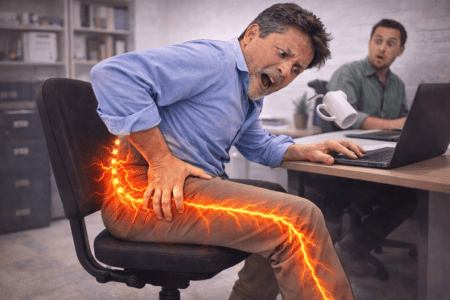
Radiculopathy: When Your Nerve Wakes Up and Chooses Violence

ItHurts Ouch Files: Radiculopathy Edition Radiculopathy: When Your Nerve Wakes Up and Chooses Violence Radiculopathy occurs when a spinal nerve root becomes compressed or irritated, causing pain, tingling, numbness, or weakness along the path of the nerve. Radiculopathy happens when pressure on a nerve root in the spine disrupts normal nerve signals. This pressure may come from herniated discs, bone spurs, inflammation, or long-term posture strain. Because spinal nerves travel through the body, pain can appear far from its source. For example, nerve compression in the lower back can cause leg pain, while nerve irritation in the neck may create symptoms in the shoulders or arms. 3 Practical Tips That May Help Manage Radiculopathy Symptoms 🧠 Use Gentle Movement Instead of Aggressive Stretching Practicing slow nerve-gliding movements and staying within a comfortable range of motion can help reduce irritation without overstressing the nerve. 🪑 Improve Posture to Reduce Nerve Pressure Keeping screens at eye level, sitting with proper back support, and taking posture breaks throughout the day may help reduce spinal strain. ❄️ Use Temperature Therapy Strategically Ice may help calm inflamed nerves while heat can relax tight muscles around the spine. Short sessions of 10–15 minutes can provide relief. Supporting spinal alignment and reducing nerve irritation may help decrease symptoms and improve comfort during daily activities. If it Hurts we can help. If pain has taken over your sleep, your mood, or your search history, come find your people. Join the ItHurts Community Disclaimer: Enjoy the “Ouch Files” for the laughs and the lessons, but treat us like a witty friend rather than a diagnostic tool. We aren’t doctors, and this content is not medical advice. If symptoms include worsening weakness, loss of bladder or bowel control, or severe numbness, seek immediate medical attention.

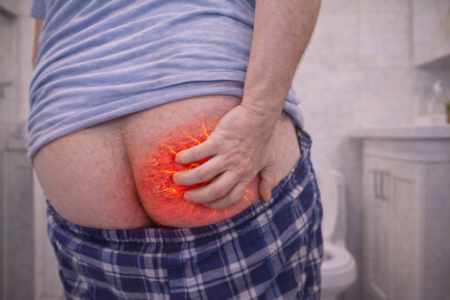
When Your Butt Becomes a Drama Queen: The Untold Saga of Pruritus Ani

ItHurts Ouch Files: Pruritus Ani Edition When Your Butt Becomes a Drama Queen Pruritus ani refers to persistent itching around the anal area, often caused by irritation, moisture, or dietary triggers affecting the delicate skin. Pruritus ani is a common condition that causes persistent itching around the anus. It often develops when the sensitive skin in this area becomes irritated due to moisture, excessive cleaning, certain foods, or skin conditions. Although the itching can be uncomfortable or embarrassing, simple hygiene adjustments and lifestyle changes can often help reduce irritation. 3 Practical Tips That May Help Manage Pruritus Ani 🧻 Clean Gently and Avoid Harsh Products Use plain water or mild, unscented products when cleaning the area. Pat dry gently instead of rubbing to prevent additional irritation. 🌶️ Identify Possible Dietary Triggers Spicy foods, coffee, citrus fruits, and chocolate can sometimes irritate the digestive system and worsen itching in sensitive individuals. 🩲 Keep the Area Dry and Well Ventilated Wearing loose cotton underwear, changing clothes after sweating, and avoiding tight clothing can help reduce moisture buildup and irritation. Reducing irritation and keeping the skin dry may help calm the itching cycle and allow the area to heal. If it Hurts we can help. If pain has taken over your sleep, your mood, or your search history, come find your people. Join the ItHurts Community Disclaimer: Enjoy the “Ouch Files” for the laughs and the lessons, but treat us like a witty friend rather than a diagnostic tool. We aren’t doctors, and this content is not medical advice. If itching becomes persistent, severe, or is accompanied by bleeding or pain, consult a qualified healthcare professional.

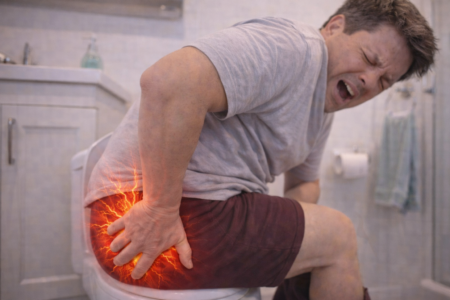
When Your Butt Hits the Panic Button at 2 A.M.: A Survival Guide to Proctalgia Fugax

ItHurts Ouch Files: Proctalgia Fugax Edition When Your Butt Hits the Panic Button at 2 A.M. Proctalgia fugax causes sudden, intense rectal pain that appears without warning and disappears just as quickly, often due to brief pelvic floor muscle spasms. Proctalgia fugax is a condition characterized by sudden episodes of sharp pain in the rectal area. These episodes often occur at night and may last from a few seconds to several minutes before resolving on their own. The pain is usually caused by temporary spasms in the pelvic floor muscles surrounding the rectum. Although the episodes can be alarming, they are typically harmless and short-lived. 3 Practical Tips That May Help Manage Proctalgia Fugax 🔥 Relax the Pelvic Floor Muscles Slow belly breathing and gentle pelvic floor relaxation exercises may help calm muscle spasms and reduce the intensity of an episode. 🛁 Apply Gentle Heat Warm baths or heating pads can relax tight pelvic muscles and improve circulation during or after a pain episode. 🧘 Reduce Common Triggers Managing stress, staying hydrated, avoiding constipation, and taking breaks from prolonged sitting may help reduce the frequency of episodes. Understanding triggers and practicing relaxation strategies can help make these sudden episodes less disruptive. If it Hurts we can help. If pain has taken over your sleep, your mood, or your search history, come find your people. Join the ItHurts Community Disclaimer: Enjoy the “Ouch Files” for the laughs and the lessons, but treat us like a witty friend rather than a diagnostic tool. We aren’t doctors, and this content is not medical advice. If rectal pain becomes frequent, severe, or is accompanied by bleeding or persistent discomfort, consult a qualified healthcare professional.

Postherpetic Neuralgia: When Shingles Ghost You but the Pain Won’t Leave

ItHurts Ouch Files: Plantar Wart Edition Plantar Wart: The Tiny Foot Squatter That Pays Zero Rent A plantar wart is a small growth on the bottom of the foot caused by the human papillomavirus (HPV). Because it forms on pressure points, it can feel like stepping on a pebble when walking. Plantar warts develop when HPV enters the skin through tiny cuts or cracks. They most commonly appear on the heel or ball of the foot where body weight pushes the wart inward, sometimes causing pain during walking or standing. Although plantar warts are usually harmless, managing pressure and treating the affected skin may help reduce discomfort and support healing. 3 Practical Tips That May Help Manage Plantar Wart Pain 🦶 Treat the Wart Consistently Soaking the foot, gently filing thickened skin with a pumice stone, and applying over-the-counter salicylic acid treatments may help gradually remove infected skin layers. 🩹 Reduce Pressure on the Wart Donut-shaped cushions, shock-absorbing insoles, and supportive footwear can help reduce pressure and irritation while walking. 🧼 Prevent the Virus From Spreading Avoid picking at the wart, wash hands after touching the area, keep the wart covered during treatment, and wear footwear in public showers or locker rooms. Consistent care and pressure relief can help reduce discomfort while the skin heals. If it Hurts we can help. If pain has taken over your sleep, your mood, or your search history, come find your people. Join the ItHurts Community Disclaimer: Enjoy the “Ouch Files” for the laughs and the lessons, but treat us like a witty friend rather than a diagnostic tool. We aren’t doctors, and this content is not medical advice. If a plantar wart becomes very painful, spreads, bleeds, or does not improve after several weeks of treatment, consult a qualified healthcare professional or podiatrist.

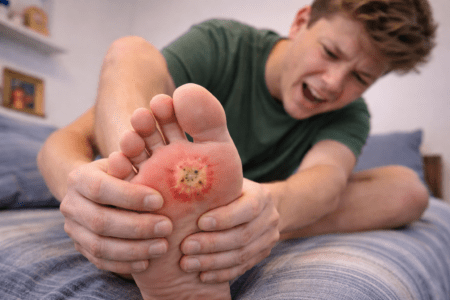
Plantar Wart: The Tiny Foot Squatter That Pays Zero Rent

ItHurts Ouch Files: Plantar Wart Edition Plantar Wart: The Tiny Foot Squatter That Pays Zero Rent A plantar wart is a small growth on the bottom of the foot caused by the human papillomavirus (HPV). Because it forms on pressure points, it can feel like stepping on a pebble when walking. Plantar warts develop when HPV enters the skin through tiny cuts or cracks. They most commonly appear on the heel or ball of the foot where body weight pushes the wart inward, sometimes causing pain during walking or standing. Although plantar warts are usually harmless, managing pressure and treating the affected skin may help reduce discomfort and support healing. 3 Practical Tips That May Help Manage Plantar Wart Pain 🦶 Treat the Wart Consistently Soaking the foot, gently filing thickened skin with a pumice stone, and applying over-the-counter salicylic acid treatments may help gradually remove infected skin layers. 🩹 Reduce Pressure on the Wart Donut-shaped cushions, shock-absorbing insoles, and supportive footwear can help reduce pressure and irritation while walking. 🧼 Prevent the Virus From Spreading Avoid picking at the wart, wash hands after touching the area, keep the wart covered during treatment, and wear footwear in public showers or locker rooms. Consistent care and pressure relief can help reduce discomfort while the skin heals. If it Hurts we can help. If pain has taken over your sleep, your mood, or your search history, come find your people. Join the ItHurts Community Disclaimer: Enjoy the “Ouch Files” for the laughs and the lessons, but treat us like a witty friend rather than a diagnostic tool. We aren’t doctors, and this content is not medical advice. If a plantar wart becomes very painful, spreads, bleeds, or does not improve after several weeks of treatment, consult a qualified healthcare professional or podiatrist.

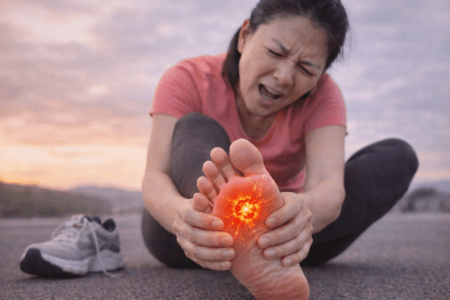
Your Foot Is Screaming in Morse Code: How a Plantar Neuroma Turned Walking Into a Hostile Negotiation

ItHurts Ouch Files: Plantar Neuroma Edition When Your Foot Starts Sending Electric Messages A plantar neuroma occurs when a nerve in the ball of the foot becomes irritated or thickened, often causing burning, tingling, or sharp pain while walking. Plantar neuromas usually develop between the toes when repeated pressure compresses the nerves in the forefoot. Many people describe the sensation as feeling like stepping on a small pebble or experiencing sudden electric shocks while walking. Although the condition can interfere with daily activities, simple adjustments in footwear, support, and rest may help reduce irritation. 3 Practical Tips That May Help Manage Plantar Neuroma Pain 👟 Choose Footwear That Reduces Compression Shoes with a wide toe box, moderate arch support, and low heels help reduce pressure on the nerves in the forefoot. 🦶 Use Pads or Orthotics for Pressure Relief Metatarsal pads or supportive orthotic inserts may help redistribute pressure away from the irritated nerve. ❄️ Reduce Inflammation With Rest and Cooling Rolling the foot over a frozen water bottle, resting the foot, and performing gentle toe stretches may help calm nerve irritation. Reducing pressure and supporting the foot’s natural alignment can help decrease symptoms and improve comfort when walking. If it Hurts we can help. If pain has taken over your sleep, your mood, or your search history, come find your people. Join the ItHurts Community Disclaimer: Enjoy the “Ouch Files” for the laughs and the lessons, but treat us like a witty friend rather than a diagnostic tool. We aren’t doctors, and this content is not medical advice. If foot pain persists, worsens, or interferes with walking, consult a qualified healthcare professional or podiatrist.