United States
Afghanistan
Albania
Algeria
Andorra
Angola
Argentina
Armenia
Australia
Austria
Azerbaijan
Bahrain
Bangladesh
Barbados
Belarus
Belgium
Belize
Benin
Bhutan
Bolivia
Bosnia and Herzegovina
Botswana
Brazil
Brunei
Bulgaria
Burkina Faso
Burundi
Cambodia
Cameroon
Canada
Cape Verde
Central African Republic
Chad
Chile
China
Colombia
Comoros
Congo
Costa Rica
Croatia
Cuba
Cyprus
Czech Republic
Denmark
Djibouti
Dominican Republic
Ecuador
Egypt
El Salvador
Estonia
Ethiopia
Finland
France
Gabon
Gambia
Georgia
Germany
Ghana
Greece
Guatemala
Guinea
Guyana
Haiti
Honduras
Hungary
Iceland
India
Indonesia
Iran
Iraq
Ireland
Israel
Italy
Jamaica
Japan
Jordan
Kazakhstan
Kenya
Kuwait
Kyrgyzstan
Laos
Latvia
Lebanon
Lesotho
Liberia
Libya
Lithuania
Luxembourg
Madagascar
Malawi
Malaysia
Maldives
Mali
Malta
Mauritania
Mauritius
Mexico
Moldova
Mongolia
Montenegro
Morocco
Mozambique
Myanmar
Namibia
Nepal
Netherlands
New Zealand
Nicaragua
Niger
Nigeria
Norway
Oman
Pakistan
Panama
Paraguay
Peru
Philippines
Poland
Portugal
Qatar
Romania
Russia
Rwanda
Saudi Arabia
Senegal
Serbia
Singapore
Slovakia
Slovenia
South Africa
South Korea
Spain
Sri Lanka
Sudan
Sweden
Switzerland
Syria
Taiwan
Tajikistan
Tanzania
Thailand
Turkey
Turkmenistan
Uganda
Ukraine
United Arab Emirates
United Kingdom
United States
Uruguay
Uzbekistan
Venezuela
Vietnam
Yemen
Zambia
Zimbabwe

News

Your Butt Crack Is Plotting Against You: A Survival Guide to Pilonidal Cysts

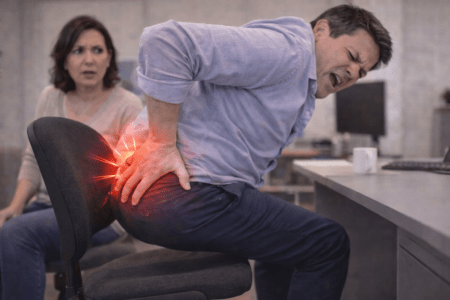
ItHurts Ouch Files: Pilonidal Cyst Edition When Your Tailbone Area Decides to Start a Painful Protest Pilonidal cysts are painful swellings that develop near the tailbone, often caused by hair, friction, and pressure irritating the skin. Pilonidal cysts typically form near the top of the buttock crease and may appear as tender lumps under the skin. They can become inflamed or infected, causing swelling, drainage, and significant discomfort when sitting. Although uncomfortable, early care and good hygiene habits may help reduce irritation and prevent flare-ups. 3 Practical Tips That May Help Manage Pilonidal Cyst Discomfort 🪑 Reduce Pressure on the Tailbone Using a coccyx cushion, adjusting posture, and taking regular standing breaks may help reduce pressure and irritation around the affected area. 🧼 Maintain Gentle Hygiene Cleaning the area daily with mild soap and warm water and keeping it dry may help prevent irritation and bacterial growth. 🔥 Use Warm Compresses for Comfort Applying a warm compress for 10–15 minutes a few times a day may help improve circulation and reduce discomfort. Reducing friction and keeping the area clean can help support healing and decrease the likelihood of flare-ups. If it Hurts we can help. If pain has taken over your sleep, your mood, or your search history, come find your people. Join the ItHurts Community Disclaimer: Enjoy the “Ouch Files” for the laughs and the lessons, but treat us like a witty friend rather than a diagnostic tool. We aren’t doctors, and this content is not medical advice. If swelling worsens, severe pain develops, or signs of infection appear, consult a qualified healthcare professional.

Your Stomach Is Not “Sensitive.” It’s Starting a Riot. (Peptic Ulcers Explained)

ItHurts Ouch Files: Peptic Ulcer Edition When Your Stomach Starts a Full-Blown Acid Protest Peptic ulcers are open sores that develop in the stomach lining or upper small intestine and can cause burning pain, bloating, nausea, and discomfort after eating. Peptic ulcers develop when the protective lining of the stomach becomes damaged, allowing digestive acids to irritate the tissue underneath. Common causes include infection with Helicobacter pylori (H. pylori) bacteria or frequent use of certain medications such as non-steroidal anti-inflammatory drugs (NSAIDs). 3 Practical Tips That May Help Manage Peptic Ulcer Symptoms 🥣 Choose Stomach-Friendly Foods Simple foods such as oatmeal, bananas, rice, eggs, and smaller meals may help reduce irritation while the stomach lining heals. Limiting alcohol, spicy foods, and highly acidic drinks may also help. 💊 Be Careful With Certain Pain Relievers Frequent use of NSAIDs like ibuprofen or aspirin may irritate the stomach lining. Discuss safer pain-relief options with a healthcare professional when needed. 🦠 Address the Underlying Cause If an ulcer is caused by H. pylori, treatment may involve antibiotics and medications that reduce stomach acid to help the tissue heal. Identifying and treating the underlying cause is one of the most effective ways to help ulcers heal and prevent them from returning. If it Hurts we can help. If pain has taken over your sleep, your mood, or your search history, come find your people. Join the ItHurts Community Disclaimer: Enjoy the “Ouch Files” for the laughs and the lessons, but treat us like a witty friend rather than a diagnostic tool. We aren’t doctors, and this content is not medical advice. If stomach pain is severe, persistent, or accompanied by vomiting blood, black stools, or unexplained weight loss, seek medical care immediately.

When Your Nail Declares War: A Survival Guide to Paronychia (a.k.a. Tiny Pain With Big Attitude)

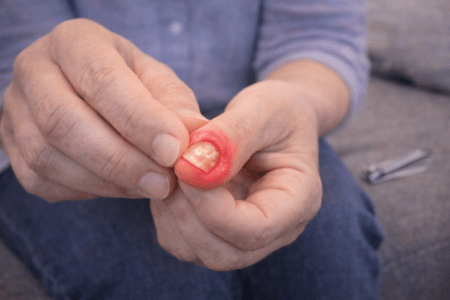
ItHurts Ouch Files: Paronychia Edition When Your Nail Decides to Start a Tiny Rebellion Paronychia is an infection of the skin surrounding the fingernail or toenail that can cause redness, swelling, tenderness, and sometimes pus. Paronychia usually develops when bacteria or fungi enter small breaks in the skin near the cuticle. This can happen from nail biting, picking at cuticles, aggressive manicures, or minor injuries around the nail. Although it often starts as mild irritation, the area can become swollen, painful, and sensitive if the infection progresses. 3 Practical Tips That May Help Manage Paronychia 🛑 Protect the Cuticle Area Avoid nail biting, cuticle picking, and aggressive trimming. Keeping nails smooth and clean helps prevent bacteria from entering the skin. 💦 Use Warm Soaks Soaking the affected finger or toe in warm water for 10–15 minutes several times daily may help reduce swelling and support natural drainage. 🧴 Keep the Area Clean and Moisturized Applying gentle antibacterial ointment when skin is broken and moisturizing surrounding skin may help support healing and prevent further irritation. Early care and protecting the nail area can help reduce discomfort and prevent the infection from worsening. If it Hurts we can help. If pain has taken over your sleep, your mood, or your search history, come find your people. Join the ItHurts Community Disclaimer: Enjoy the “Ouch Files” for the laughs and the lessons, but treat us like a witty friend rather than a diagnostic tool. We aren’t doctors, and this content is not medical advice. If swelling worsens, redness spreads, or the infection does not improve, consult a qualified healthcare professional.

Otitis: When Your Ear Declares War and Brings a Tiny Drumline

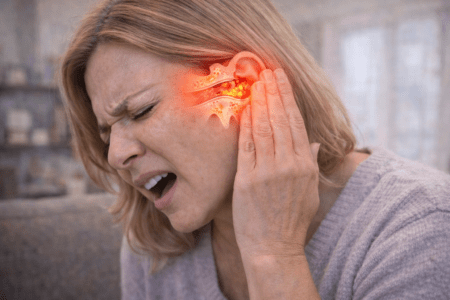
ItHurts Ouch Files: Otitis Edition When Your Ear Starts Hosting Its Own Drum Concert Otitis refers to inflammation or infection of the ear that can cause pain, pressure, muffled hearing, and a sensation of fullness. Ear infections can occur in the outer, middle, or inner ear. They often result from inflammation, fluid buildup, or blocked drainage pathways inside the ear. Although uncomfortable, several supportive habits may help reduce irritation and promote recovery. 3 Practical Tips That May Help Reduce Ear Infection Discomfort 🌡️ Encourage Drainage with Gentle Warmth Warm compresses or steam from a hot shower may help relax surrounding tissues and encourage fluid drainage from the ear. 🚫 Avoid Irritating the Ear Canal Do not insert cotton swabs or objects into the ear. Keeping the ear dry and allowing it to rest may help prevent further irritation. 💧 Support the Body’s Recovery Staying hydrated, resting, and using appropriate pain relief measures recommended by healthcare professionals can help reduce inflammation and discomfort. Allowing the ear time to heal and avoiding further irritation can support recovery from many mild ear infections. If it Hurts we can help. If pain has taken over your sleep, your mood, or your search history, come find your people. Join the ItHurts Community Disclaimer: Enjoy the “Ouch Files” for the laughs and the lessons, but treat us like a witty friend rather than a diagnostic tool. We aren’t doctors, and this content is not medical advice. If ear pain persists, worsens, or is accompanied by fever, dizziness, drainage, or hearing changes, consult a qualified healthcare professional.

Osteoporosis: When Your Bones Quiet-Quit and HR Never Called You Back

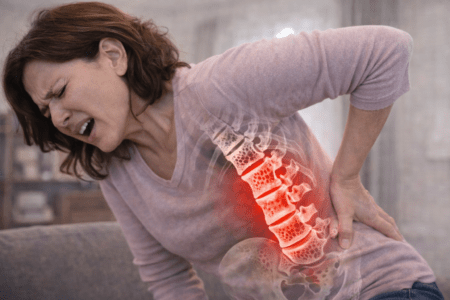
ItHurts Ouch Files: Osteoporosis Edition When Your Bones Start Filing Quiet Complaints Osteoporosis gradually weakens bones by reducing bone density, increasing the risk of fractures even from small falls or everyday movements. Osteoporosis occurs when bones lose density and structural strength over time. Because bone loss often develops slowly and without clear symptoms, many people only discover the condition after experiencing a fracture. Fortunately, several lifestyle habits may help support bone health and reduce the risk of injury. 3 Practical Tips That May Help Support Bone Health 🦴 Include Weight-Bearing Exercise Activities such as walking, resistance training, step-ups, and body-weight exercises help stimulate bone remodeling and maintain bone strength. 🥛 Support Calcium and Vitamin D Intake Calcium-rich foods such as dairy products, leafy greens, and fortified foods combined with adequate vitamin D help maintain bone density and improve calcium absorption. 🧍 Improve Balance and Prevent Falls Balance exercises, gentle yoga, tai chi, and strengthening the hips and core muscles can reduce the risk of falls that commonly lead to fractures. Consistent movement, proper nutrition, and fall-prevention strategies can play an important role in maintaining long-term bone health. If it Hurts we can help. If pain has taken over your sleep, your mood, or your search history, come find your people. Join the ItHurts Community Disclaimer: Enjoy the “Ouch Files” for the laughs and the lessons, but treat us like a witty friend rather than a diagnostic tool. We aren’t doctors, and this content is not medical advice. If you are concerned about bone density, fractures, or osteoporosis risk, consult a qualified healthcare professional for proper screening and care.

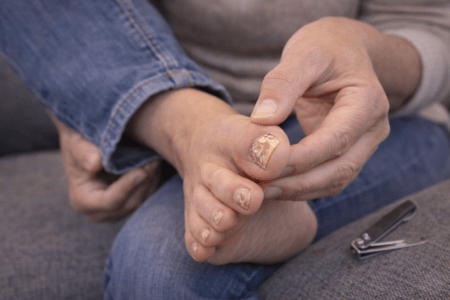
Your Toenail Is a Petri Dish: A Rude, Hilarious, and Actually Useful Guide to Onychomycosis

ItHurts Ouch Files: Toenail Fungus Edition When Your Toenail Becomes a Tiny Fungus Apartment Onychomycosis is a fungal infection that causes toenails to become thick, brittle, discolored, and difficult to manage. Toenail fungus occurs when fungi grow beneath or inside the nail. Over time the nail may become thickened, crumbly, yellowish, or distorted in shape. Because fungal infections thrive in warm, moist environments, they often develop in sweaty shoes, locker rooms, or damp conditions. 3 Practical Tips That May Help Manage Toenail Fungus 🦶 Keep Feet Dry and Ventilated Carefully dry between the toes after bathing and allow shoes to air out between uses. Moisture control helps reduce fungal growth. 🧴 Use Antifungal Treatments Consistently Over-the-counter antifungal creams, solutions, or nail treatments may help control mild infections when used regularly and for the recommended duration. 🧼 Prevent Reinfection Disinfect nail tools, rotate shoes, and wear protective footwear in communal areas like gyms or public showers to reduce the risk of recurring infections. Toenail fungus often improves slowly, so consistency and proper nail care are important parts of managing the condition. If it Hurts we can help. If pain has taken over your sleep, your mood, or your search history, come find your people. Join the ItHurts Community Disclaimer: Enjoy the “Ouch Files” for the laughs and the lessons, but treat us like a witty friend rather than a diagnostic tool. We aren’t doctors, and this content is not medical advice. If nail infections worsen, spread, or cause pain, consult a qualified healthcare professional such as a dermatologist or podiatrist.