United States
Afghanistan
Albania
Algeria
Andorra
Angola
Argentina
Armenia
Australia
Austria
Azerbaijan
Bahrain
Bangladesh
Barbados
Belarus
Belgium
Belize
Benin
Bhutan
Bolivia
Bosnia and Herzegovina
Botswana
Brazil
Brunei
Bulgaria
Burkina Faso
Burundi
Cambodia
Cameroon
Canada
Cape Verde
Central African Republic
Chad
Chile
China
Colombia
Comoros
Congo
Costa Rica
Croatia
Cuba
Cyprus
Czech Republic
Denmark
Djibouti
Dominican Republic
Ecuador
Egypt
El Salvador
Estonia
Ethiopia
Finland
France
Gabon
Gambia
Georgia
Germany
Ghana
Greece
Guatemala
Guinea
Guyana
Haiti
Honduras
Hungary
Iceland
India
Indonesia
Iran
Iraq
Ireland
Israel
Italy
Jamaica
Japan
Jordan
Kazakhstan
Kenya
Kuwait
Kyrgyzstan
Laos
Latvia
Lebanon
Lesotho
Liberia
Libya
Lithuania
Luxembourg
Madagascar
Malawi
Malaysia
Maldives
Mali
Malta
Mauritania
Mauritius
Mexico
Moldova
Mongolia
Montenegro
Morocco
Mozambique
Myanmar
Namibia
Nepal
Netherlands
New Zealand
Nicaragua
Niger
Nigeria
Norway
Oman
Pakistan
Panama
Paraguay
Peru
Philippines
Poland
Portugal
Qatar
Romania
Russia
Rwanda
Saudi Arabia
Senegal
Serbia
Singapore
Slovakia
Slovenia
South Africa
South Korea
Spain
Sri Lanka
Sudan
Sweden
Switzerland
Syria
Taiwan
Tajikistan
Tanzania
Thailand
Turkey
Turkmenistan
Uganda
Ukraine
United Arab Emirates
United Kingdom
United States
Uruguay
Uzbekistan
Venezuela
Vietnam
Yemen
Zambia
Zimbabwe

News

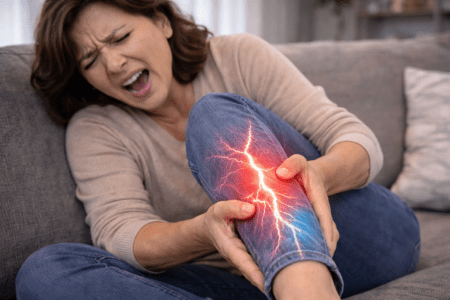
Your Nerves Are Gaslighting You: A Survival Guide to Neuropathic Pain (With Fewer Tears)

ItHurts Ouch Files: Neuropathic Pain Edition When Your Nerves Start Sending Chaos Signals Neuropathic pain occurs when damaged or irritated nerves send pain signals even without a visible injury. Neuropathic pain develops when the nervous system itself becomes the source of pain signals. Instead of responding to an injury, nerves may misfire and create sensations such as burning, tingling, stabbing, or electric-like pain. This condition can occur due to nerve damage, chronic illness, injuries, or disorders affecting the nervous system. 3 Practical Tips That May Help Manage Neuropathic Pain 🧠 Calm the Nervous System Practices such as slow breathing, mindfulness, and relaxation techniques may help signal safety to the nervous system and reduce stress-related nerve sensitivity. 🚶 Incorporate Gentle Movement Low-impact activities like walking, stretching, and carefully guided nerve-gliding exercises may improve circulation and help nerves tolerate movement again. 😴 Prioritize Healthy Sleep Maintaining consistent sleep schedules, reducing screen exposure before bedtime, and creating a quiet sleep environment can help regulate the nervous system and improve pain tolerance. Managing neuropathic pain often involves a combination of lifestyle adjustments, supportive care, and guidance from healthcare professionals. If it Hurts we can help. If pain has taken over your sleep, your mood, or your search history, come find your people. Join the ItHurts Community Disclaimer: Enjoy the “Ouch Files” for the laughs and the lessons, but treat us like a witty friend rather than a diagnostic tool. We aren’t doctors, and this content is not medical advice. If nerve pain becomes severe, persistent, or is accompanied by numbness, weakness, or loss of sensation, consult a qualified healthcare professional.

Myofascial Syndrome: When Your Muscles Start Holding Grudges and Filing HR Complaints

ItHurts Ouch Files: Myofascial Pain Syndrome Edition When Your Muscles Start Holding Grudges Myofascial pain syndrome occurs when sensitive trigger points in muscles become tight and irritated, causing localized and referred pain. Myofascial Pain Syndrome is a chronic muscle condition where tight knots—called trigger points—develop in muscle tissue. These trigger points can cause localized discomfort as well as pain that spreads to nearby areas. The condition is often associated with muscle overuse, repetitive strain, poor posture, or prolonged inactivity. 3 Practical Tips That May Help Reduce Myofascial Pain 🎾 Release Trigger Points With Gentle Pressure Using a tennis ball, massage ball, or foam roller to apply steady pressure for 30–60 seconds may help relax tight muscle knots and improve circulation. 🧘 Stretch Muscles Regularly Gentle stretching after light movement or heat therapy can help muscles release tension and improve flexibility over time. 🪑 Improve Posture and Daily Movement Taking movement breaks, keeping screens at eye level, and maintaining supportive sitting positions may reduce repetitive muscle strain. Consistent stretching, posture improvements, and muscle release techniques can help reduce trigger point irritation and improve daily comfort. If it Hurts we can help. If pain has taken over your sleep, your mood, or your search history, come find your people. Join the ItHurts Community Disclaimer: Enjoy the “Ouch Files” for the laughs and the lessons, but treat us like a witty friend rather than a diagnostic tool. We aren’t doctors, and this content is not medical advice. If muscle pain becomes persistent or interferes with daily activities, consult a qualified healthcare professional.

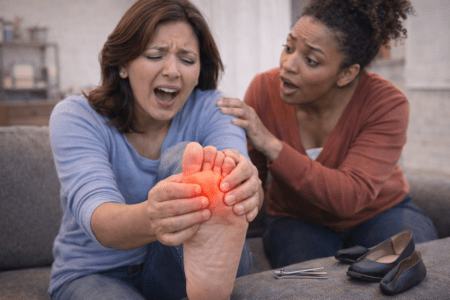
Morton’s Neuroma: When Your Toes Start a Group Chat Without You

ItHurts Ouch Files: Morton’s Neuroma Edition When Your Toes Start a Group Chat Without You Morton’s neuroma occurs when a nerve in the ball of the foot becomes compressed, often causing burning pain, tingling, or numbness between the toes. Morton’s neuroma most commonly develops between the third and fourth toes. When the nerve becomes irritated or compressed, it can create burning pain, numbness, or the feeling that something is stuck inside the shoe. Reducing pressure on the nerve and supporting the forefoot can help relieve irritation and improve walking comfort. 3 Practical Tips That May Help Reduce Morton’s Neuroma Pain 👟 Choose Footwear That Reduces Compression Shoes with a wide toe box and good cushioning can help reduce pressure on the forefoot. Avoiding narrow shoes and high heels may prevent further nerve irritation. 🧊 Reduce Inflammation and Nerve Irritation Applying ice to the ball of the foot for 10–15 minutes and gently rolling the foot over a frozen water bottle or massage ball may help calm inflammation and improve circulation. 🦶 Support the Foot With Proper Inserts Metatarsal pads or orthotic inserts can redistribute weight across the foot and reduce repeated compression of the irritated nerve. With supportive footwear, pressure redistribution, and proper rest, many people experience improved comfort and reduced nerve irritation. If it Hurts we can help. If pain has taken over your sleep, your mood, or your search history, come find your people. Join the ItHurts Community Disclaimer: Enjoy the “Ouch Files” for the laughs and the lessons, but treat us like a witty friend rather than a diagnostic tool. We aren’t doctors, and this content is not medical advice. If foot pain becomes persistent, worsening, or interferes with walking or daily activities, consult a qualified healthcare professional.

Your Brain Is Throwing a Rave (And You Weren’t Invited): A Migraine Survival Guide

ItHurts Ouch Files: Migraine Edition When Your Brain Throws a Rave Without Your Permission Migraines are neurological episodes that cause intense head pain along with symptoms like light sensitivity, nausea, and sensory overload. Migraines involve complex changes in brain activity, nerve signaling, and blood flow. These changes can trigger intense pain along with sensitivity to light, sound, smells, and movement. Although migraines can feel overwhelming, certain supportive strategies may help reduce the intensity or duration of an episode. 3 Practical Tips That May Help Reduce Migraine Intensity 🌑 Reduce Sensory Overload Resting in a quiet, dark room and applying a cool compress to the forehead or neck may help calm the nervous system and reduce irritation in migraine-sensitive brain pathways. 🍌 Maintain Stable Blood Sugar Balanced snacks combining carbohydrates and protein may help prevent sudden energy drops that can trigger migraines. 🧘 Release Neck and Shoulder Tension Gentle neck stretches, posture adjustments, and heat therapy may help relax muscles that contribute to migraine discomfort. Identifying triggers, maintaining stable routines, and supporting the nervous system can help many people reduce migraine severity over time. If it Hurts we can help. If pain has taken over your sleep, your mood, or your search history, come find your people. Join the ItHurts Community Disclaimer: Enjoy the “Ouch Files” for the laughs and the lessons, but treat us like a witty friend rather than a diagnostic tool. We aren’t doctors, and this content is not medical advice. If migraines become frequent, severe, or include unusual symptoms such as vision loss or confusion, consult a qualified healthcare professional.

Metatarsalgia: When the Ball of Your Foot Declares War on Gravity

ItHurts Ouch Files: Metatarsalgia Edition When the Ball of Your Foot Declares War on Gravity Metatarsalgia causes pain and inflammation in the ball of the foot, where the metatarsal bones carry much of the body’s weight. Metatarsalgia refers to pain in the forefoot area just behind the toes. This region absorbs pressure during walking, standing, and running. When excessive pressure builds up in this part of the foot, it may lead to burning pain, soreness, or tenderness that makes movement uncomfortable. 3 Practical Tips That May Help Reduce Metatarsalgia Pain 🦶 Redistribute Pressure Across the Foot Using metatarsal pads, cushioned insoles, or shoes with a wide toe box can help spread weight more evenly across the foot and reduce pressure on the forefoot. 🧦 Stretch the Lower Leg and Foot Stretching the calves, Achilles tendon, and foot muscles may reduce strain on the front of the foot and improve weight distribution during walking. 👟 Choose Supportive Footwear Shoes with cushioning, proper arch support, and adequate toe space help absorb shock and reduce stress on the metatarsal bones. With supportive footwear, pressure redistribution, and gentle stretching, many people can significantly reduce discomfort caused by metatarsalgia. If it Hurts we can help. If pain has taken over your sleep, your mood, or your search history, come find your people. Join the ItHurts Community Disclaimer: Enjoy the “Ouch Files” for the laughs and the lessons, but treat us like a witty friend rather than a diagnostic tool. We aren’t doctors, and this content is not medical advice. If foot pain persists, worsens, or interferes with walking or daily activities, consult a qualified healthcare professional.

Low Vision: When Your Eyes Start Freelancing Without Your Permission

ItHurts Ouch Files: Low Vision Edition When Your Eyes Start Freelancing Without Your Permission Low vision describes reduced eyesight that cannot be fully corrected with glasses, contact lenses, or medical treatment. Low vision can make everyday tasks such as reading, recognizing faces, or navigating spaces more difficult. Although it does not always mean complete blindness, it often requires adjustments and supportive tools to improve daily functioning. With the right strategies and visual aids, many people with low vision maintain independence and reduce eye strain. 3 Practical Tips That May Help Reduce Eye Strain 🖤⬜ Increase Visual Contrast High-contrast text and backgrounds help the brain interpret visual information more easily. Dark text on light backgrounds, bold fonts, and high-contrast display settings can improve readability. 🔍 Use Magnification Tools Screen magnifiers, larger text settings, and handheld magnifying lenses can make reading labels, menus, and digital content easier to see. 👁️ Give Your Eyes Regular Breaks Following the 20-20-20 rule can reduce eye fatigue: every 20 minutes, look at something about 20 feet away for at least 20 seconds. Simple adjustments to lighting, contrast, and visual habits can significantly improve comfort and reduce strain for people living with low vision. If it Hurts we can help. If pain has taken over your sleep, your mood, or your search history, come find your people. Join the ItHurts Community Disclaimer: Enjoy the “Ouch Files” for the laughs and the lessons, but treat us like a witty friend rather than a diagnostic tool. We aren’t doctors, and this content is not medical advice. If you experience sudden vision changes, eye pain, headaches, or worsening sight, consult a qualified eye care professional.