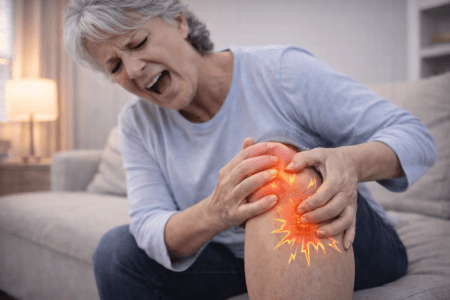
ItHurts Ouch Files: Baker’s Cyst Edition When Your Knee Builds a Surprise Water Balloon A Baker’s cyst is a fluid-filled swelling that forms behind the knee when excess joint fluid accumulates due to inflammation or knee injury. A Baker’s cyst forms when excess joint fluid collects behind the knee, often due to underlying knee inflammation or injury. This swelling can create tightness, pressure, and discomfort when bending or straightening the leg. Although the cyst itself may not always be dangerous, addressing inflammation and supporting knee stability can help reduce discomfort. 3 Practical Tips That May Help Reduce Baker’s Cyst Discomfort 🦵 Reduce Activities That Irritate the Knee Limiting deep squats, repetitive bending, and high-impact activities may help prevent additional swelling and fluid buildup in the knee joint. ❄️ Use Cold Therapy to Reduce Swelling Applying an ice pack to the back of the knee for 15–20 minutes several times a day may help reduce inflammation and ease pressure in the joint. 🏃 Strengthen and Support the Knee Gentle strengthening exercises for the quadriceps, hamstrings, and surrounding muscles may help improve joint stability and reduce stress on the knee. Managing inflammation and supporting the underlying knee condition can help many people reduce cyst-related discomfort. If it Hurts we can help. If pain has taken over your sleep, your mood, or your search history, come find your people. Join the ItHurts Community Disclaimer: Enjoy the “Ouch Files” for the laughs and the lessons, but treat us like a witty friend rather than a diagnostic tool. We aren’t doctors, and this content is not medical advice. If knee swelling, severe pain, redness, or sudden calf swelling occurs, seek medical evaluation from a qualified healthcare professional.
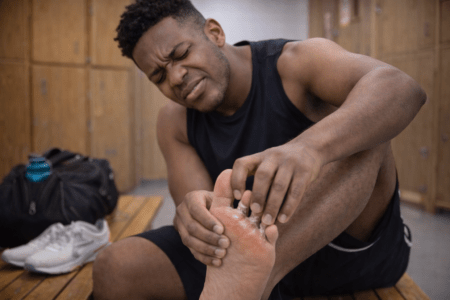
ItHurts Ouch Files: Athlete’s Foot Edition When Your Toes Start a Fungal Fight Club Athlete’s foot is a common fungal infection that causes itching, burning, redness, and peeling skin between the toes or on the soles of the feet. Athlete’s foot develops when fungi grow in warm, moist environments such as sweaty shoes, locker rooms, or communal showers. Although the infection is common, proper hygiene and consistent treatment can help manage symptoms and prevent it from spreading. 3 Practical Tips That May Help Manage Athlete’s Foot 🧼 Keep Your Feet Clean and Dry Dry thoroughly between your toes after bathing and allow feet to air dry when possible. Reducing moisture makes it harder for fungi to grow. 💊 Use Antifungal Treatments Consistently Over-the-counter antifungal creams, sprays, or powders may help eliminate the infection when used regularly and for the full recommended treatment period. 👟 Protect Your Feet and Footwear Rotate shoes to allow them to dry completely, wear moisture-wicking socks, and avoid walking barefoot in locker rooms or communal showers. Maintaining good foot hygiene and treating footwear can significantly reduce the risk of reinfection. If it Hurts we can help. If pain has taken over your sleep, your mood, or your search history, come find your people. Join the ItHurts Community Disclaimer: Enjoy the “Ouch Files” for the laughs and the lessons, but treat us like a witty friend rather than a diagnostic tool. We aren’t doctors, and this content is not medical advice. If symptoms are severe, spreading, or do not improve with treatment, consult a qualified healthcare professional.
ItHurts Ouch Files: Anal Fistula Edition When Your Body Builds a Tunnel You Definitely Didn’t Request An anal fistula is an abnormal tunnel that forms between the anal canal and the skin near the anus, often causing pain, swelling, drainage, and discomfort while sitting or moving. An anal fistula often develops after an infection near the anus forms an abscess that drains improperly. The resulting tunnel can lead to ongoing irritation, pain, and discharge. Although medical treatment is usually required to fully resolve the condition, certain supportive habits may help reduce discomfort and improve daily comfort. 3 Practical Tips That May Help Manage Anal Fistula Discomfort 🛁 Use Warm Sitz Baths Sitting in warm water for 10–15 minutes once or twice daily may help improve circulation, relax surrounding muscles, and reduce irritation around the affected area. 🥗 Support Healthy Digestion Staying hydrated and gradually increasing fiber intake may help produce softer stools, reducing pressure and discomfort during bowel movements. 👨⚕️ Seek Medical Evaluation Early Anal fistulas typically require assessment by a healthcare professional. Early diagnosis helps determine the most effective treatment plan and may prevent complications. Combining medical care with supportive habits may help reduce discomfort while treatment is underway. If it Hurts we can help. If pain has taken over your sleep, your mood, or your search history, come find your people. Join the ItHurts Community Disclaimer: Enjoy the “Ouch Files” for the laughs and the lessons, but treat us like a witty friend rather than a diagnostic tool. We aren’t doctors, and this content is not medical advice. Anal fistulas require evaluation and treatment by a qualified healthcare professional. If symptoms include severe pain, fever, swelling, or persistent drainage, seek medical care promptly.
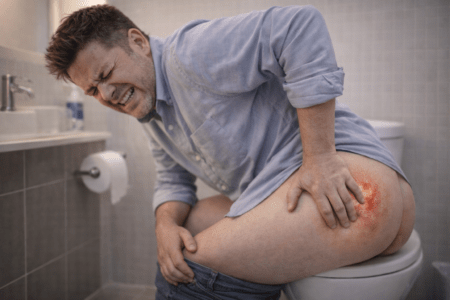
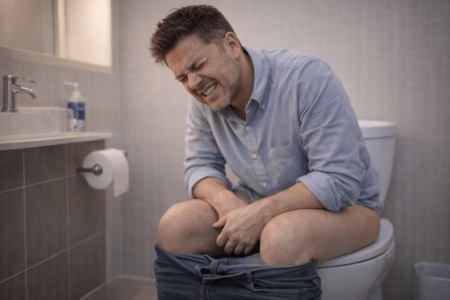
ItHurts Ouch Files: Anal Abscess Edition When Your Butt Declares War An anal abscess is a painful infection that forms a pocket of pus near the anus, causing swelling, pressure, and severe discomfort when sitting or moving. An anal abscess develops when bacteria infect small glands near the anus, leading to inflammation and the buildup of pus. The result is often intense throbbing pain, swelling, redness, and tenderness in the affected area. The condition can make everyday activities such as sitting, walking, or using the bathroom extremely uncomfortable. Early care and proper treatment are important to prevent the infection from worsening. 3 Practical Tips That May Help Reduce Anal Abscess Discomfort 🛁 Use Warm Sitz Baths Soaking the affected area in warm water for 15–20 minutes, two or three times daily, may help improve circulation, reduce pressure, and temporarily relieve pain. 💧 Reduce Straining During Bowel Movements Staying hydrated, eating fiber-rich foods, and using stool softeners if recommended can reduce pressure during bowel movements and limit irritation in the area. 🚑 Seek Medical Care When Symptoms Worsen If swelling increases, fever develops, pain becomes severe, or drainage occurs, professional treatment may be necessary. Many abscesses require medical drainage to properly heal. Recognizing symptoms early and seeking appropriate care can help prevent complications and reduce discomfort. If it Hurts we can help. If pain has taken over your sleep, your mood, or your search history, come find your people. Join the ItHurts Community Disclaimer: Enjoy the “Ouch Files” for the laughs and the lessons, but treat us like a witty friend rather than a diagnostic tool. We aren’t doctors, and this content is not medical advice. Anal abscesses can become serious infections and often require professional treatment. If pain, swelling, fever, or drainage occurs, consult a qualified healthcare professional.
ItHurts Ouch Files: Anal Fissure Edition When a Tiny Tear Causes Major Pain Anal fissures are small tears in the lining of the anus that can cause sharp pain, bleeding, and discomfort during bowel movements. Anal fissures often develop when the delicate lining of the anus tears due to hard stools, constipation, or repeated strain during bowel movements. Although the tear itself is small, it can cause intense pain, muscle spasms, and irritation that make everyday activities like sitting or using the bathroom uncomfortable. 3 Practical Tips That May Help Manage Anal Fissure Pain 💧 Keep Stools Soft Staying hydrated and gradually increasing fiber intake through foods such as fruits, vegetables, and whole grains may help reduce strain during bowel movements. 🛁 Use Warm Sitz Baths Sitting in warm water for 10–15 minutes, especially after bowel movements, may help relax muscles and improve blood flow to the affected area. 🚽 Improve Bathroom Positioning Using a small footstool and leaning slightly forward during bowel movements may help reduce pressure and strain on the anal muscles. Consistent care and gentle habits may help support healing and reduce discomfort over time. If it Hurts we can help. If pain has taken over your sleep, your mood, or your search history, come find your people. Join the ItHurts Community Disclaimer: Enjoy the “Ouch Files” for the laughs and the lessons, but treat us like a witty friend rather than a diagnostic tool. We aren’t doctors, and this content is not medical advice. If anal fissure symptoms are severe, persistent, or accompanied by heavy bleeding, consult a qualified healthcare professional for proper diagnosis and treatment.
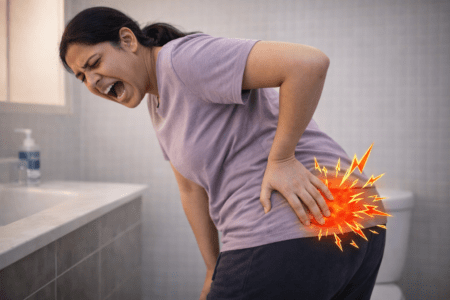
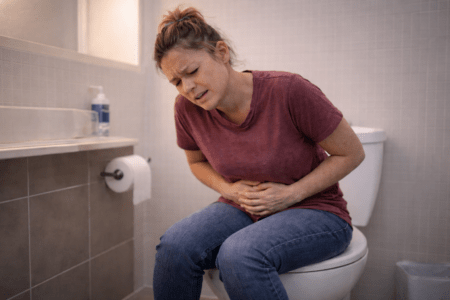
ItHurts Ouch Files: Acute Cystitis Edition When Your Bladder Sends Urgent Messages Every Five Minutes Acute cystitis is a bladder infection that can cause burning during urination, pelvic pressure, frequent urges to urinate, and lower abdominal discomfort. Acute cystitis is most commonly caused by bacteria entering the bladder and triggering inflammation in the bladder lining. The irritation can lead to symptoms such as burning during urination, frequent bathroom visits, pelvic pressure, and discomfort in the lower abdomen. 3 Practical Tips That May Help Ease Bladder Discomfort 💧 Stay Well Hydrated Drinking water regularly may help dilute urine and flush bacteria from the bladder, which can reduce irritation and discomfort. 🚫 Avoid Bladder Irritants During flare-ups, reducing caffeine, alcohol, spicy foods, and acidic drinks may help prevent additional irritation of the bladder lining. 🔥 Use Gentle Heat for Pelvic Comfort Applying a warm heating pad to the lower abdomen may help relax muscles and reduce pressure or cramping associated with bladder irritation. Supportive habits may help improve comfort while medical treatment addresses the infection. If it Hurts we can help. If pain has taken over your sleep, your mood, or your search history, come find your people. Join the ItHurts Community Disclaimer: Enjoy the “Ouch Files” for the laughs and the lessons, but treat us like a witty friend rather than a diagnostic tool. We aren’t doctors, and this content is not medical advice. Acute cystitis may require medical treatment. If symptoms persist, worsen, or include fever or back pain, consult a qualified healthcare professional.
Afghanistan
Albania
Algeria
Andorra
Angola
Argentina
Armenia
Australia
Austria
Azerbaijan
Bahrain
Bangladesh
Barbados
Belarus
Belgium
Belize
Benin
Bhutan
Bolivia
Bosnia and Herzegovina
Botswana
Brazil
Brunei
Bulgaria
Burkina Faso
Burundi
Cambodia
Cameroon
Canada
Cape Verde
Central African Republic
Chad
Chile
China
Colombia
Comoros
Congo
Costa Rica
Croatia
Cuba
Cyprus
Czech Republic
Denmark
Djibouti
Dominican Republic
Ecuador
Egypt
El Salvador
Estonia
Ethiopia
Finland
France
Gabon
Gambia
Georgia
Germany
Ghana
Greece
Guatemala
Guinea
Guyana
Haiti
Honduras
Hungary
Iceland
India
Indonesia
Iran
Iraq
Ireland
Israel
Italy
Jamaica
Japan
Jordan
Kazakhstan
Kenya
Kuwait
Kyrgyzstan
Laos
Latvia
Lebanon
Lesotho
Liberia
Libya
Lithuania
Luxembourg
Madagascar
Malawi
Malaysia
Maldives
Mali
Malta
Mauritania
Mauritius
Mexico
Moldova
Mongolia
Montenegro
Morocco
Mozambique
Myanmar
Namibia
Nepal
Netherlands
New Zealand
Nicaragua
Niger
Nigeria
Norway
Oman
Pakistan
Panama
Paraguay
Peru
Philippines
Poland
Portugal
Qatar
Romania
Russia
Rwanda
Saudi Arabia
Senegal
Serbia
Singapore
Slovakia
Slovenia
South Africa
South Korea
Spain
Sri Lanka
Sudan
Sweden
Switzerland
Syria
Taiwan
Tajikistan
Tanzania
Thailand
Turkey
Turkmenistan
Uganda
Ukraine
United Arab Emirates
United Kingdom
United States
Uruguay
Uzbekistan
Venezuela
Vietnam
Yemen
Zambia
Zimbabwe