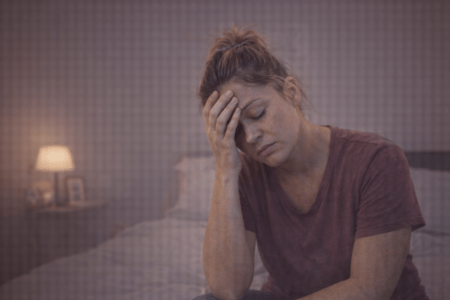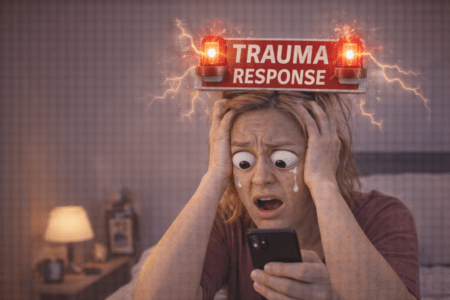
ItHurts Ouch Files: Trauma Edition When Trauma Leaves Your Nervous System Stuck in Survival Mode Trauma can affect both emotional wellbeing and physical health, often contributing to chronic tension, heightened stress responses, and persistent pain. Trauma can cause the nervous system to remain in a heightened state of alertness long after a difficult event has passed. This can lead to symptoms such as muscle tension, headaches, digestive issues, sleep disturbances, and emotional fatigue. Learning techniques that help the body return to a calmer state may reduce the physical and emotional effects of trauma. 3 Practical Strategies That May Help Calm the Nervous System 🧠 Practice Grounding Techniques Grounding exercises such as noticing things you can see, hear, and feel around you may help shift attention away from stress responses and reconnect the body to the present moment. 🫁 Use Slow Breathing to Relax the Body Slow breathing patterns—such as inhaling through the nose for four seconds and exhaling slowly for six seconds—may help activate relaxation responses within the nervous system. 🚶 Encourage Gentle Movement Activities such as light stretching, walking, or yoga may help release tension stored in the body and support overall physical and emotional wellbeing. Combining supportive habits with professional guidance may help individuals gradually improve resilience and recovery after traumatic experiences. If it Hurts we can help. If pain has taken over your sleep, your mood, or your search history, come find your people. Join the ItHurts Community Disclaimer: Enjoy the “Ouch Files” for the laughs and the lessons, but treat us like a witty friend rather than a diagnostic tool. We aren’t doctors, and this content is not medical advice. Trauma-related symptoms can benefit from professional evaluation and treatment. If symptoms persist or interfere with daily life, consult a qualified mental health or medical professional.
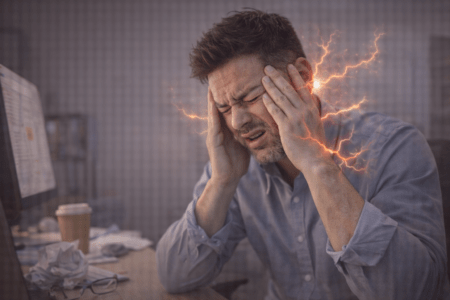
ItHurts Ouch Files: Stress Edition When Stress Starts Showing Up in Your Body Chronic stress can trigger headaches, muscle tension, fatigue, and widespread discomfort by keeping the nervous system in a constant state of alert. Stress affects both the mind and the body. When the nervous system remains in a prolonged “fight-or-flight” state, muscles tighten, breathing becomes shallow, and pain sensitivity may increase. Over time, this constant tension can lead to headaches, jaw pain, neck stiffness, back discomfort, digestive issues, and fatigue. 3 Practical Ways to Reduce Stress-Related Pain 🫁 Practice Slow Breathing Slow breathing exercises—such as inhaling through the nose for four seconds and exhaling slowly for six seconds—may help activate the body’s relaxation response and reduce tension. 🧍 Move Your Body Regularly Short movement breaks, stretching, or gentle activities such as walking may help release muscle tension and improve circulation throughout the body. 🛑 Build Daily Recovery Time Setting aside small periods of rest, relaxation, or calming activities each day can help the nervous system reset and reduce the physical impact of chronic stress. Managing stress consistently can help reduce pain sensitivity and support overall physical and emotional wellbeing. If it Hurts we can help. If pain has taken over your sleep, your mood, or your search history, come find your people. Join the ItHurts Community Disclaimer: Enjoy the “Ouch Files” for the laughs and the lessons, but treat us like a witty friend rather than a diagnostic tool. We aren’t doctors, and this content is not medical advice. If stress-related symptoms persist or interfere with daily life, consult a qualified healthcare or mental health professional.
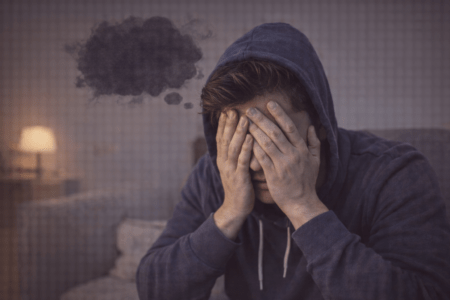
ItHurts Ouch Files: Shame Edition SHAME: The Emotional Flu You Didn’t Catch — It Caught You Shame is a deeply painful emotional experience that can affect the nervous system, self-esteem, and overall mental well-being. Shame is more than embarrassment. It is a heavy emotional response that can make people feel defective, unworthy, or disconnected from others. Unlike guilt, which focuses on actions, shame often targets identity itself. Because shame affects the brain and nervous system, it can create real physical sensations such as tightness in the chest, anxiety, and emotional withdrawal. 3 Practical Strategies That May Help Reduce Shame 🎭 Name the Emotion Clearly Acknowledging the feeling by saying “I’m experiencing shame right now” can help the brain process the emotion rather than becoming overwhelmed by it. 🫀 Regulate the Body’s Stress Response Slow breathing, grounding techniques, and physical relaxation can calm the nervous system and reduce the intensity of shame-related stress. 🫂 Share With a Trusted Person Talking with a supportive friend, family member, or therapist can help reduce isolation and bring perspective to difficult emotions. Connection, self-compassion, and emotional awareness can gradually reduce the power shame holds over the body and mind. If it Hurts we can help. If pain has taken over your sleep, your mood, or your search history, come find your people. Join the ItHurts Community Disclaimer: Enjoy the “Ouch Files” for the laughs and the lessons, but treat us like a witty friend rather than a diagnostic tool. We aren’t doctors, and this content is not medical advice. If emotional distress becomes overwhelming or persistent, consult a qualified mental health professional.
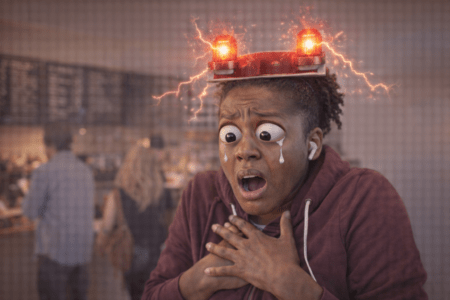
ItHurts Ouch Files: Panic Attack Edition When Your Brain Sounds the Alarm Without a Fire Panic attacks can cause sudden fear, racing heartbeats, chest tightness, dizziness, and intense physical sensations even when no real danger is present. Panic attacks occur when the body’s stress response becomes overactivated. The nervous system reacts as if there is an immediate threat, triggering rapid breathing, muscle tension, and heightened alertness. Although panic attacks can feel overwhelming, understanding how the body reacts to stress can help individuals regain a sense of control. 3 Practical Techniques That May Help Calm a Panic Attack 🫁 Use Slow Breathing to Regulate the Nervous System Inhaling slowly through the nose for several seconds and exhaling longer through the mouth may help calm the body’s stress response and reduce physical symptoms. 🔍 Ground Yourself in the Present Moment Focusing attention on things you can see, hear, or feel around you may help shift attention away from anxious thoughts and bring the mind back to the present. 🧠 Reassure Yourself That the Sensations Will Pass Reminding yourself that panic symptoms are temporary and not life-threatening may help reduce fear and allow the body to gradually return to a calmer state. Practicing calming strategies regularly can help the nervous system become more resilient over time. If it Hurts we can help. If pain has taken over your sleep, your mood, or your search history, come find your people. Join the ItHurts Community Disclaimer: Enjoy the “Ouch Files” for the laughs and the lessons, but treat us like a witty friend rather than a diagnostic tool. We aren’t doctors, and this content is not medical advice. Panic attacks can overlap with other medical conditions. If symptoms are severe, persistent, or concerning, consult a qualified healthcare professional.
ItHurts Ouch Files: PTSD Edition When Your Brain Sounds the Alarm Long After the Danger Is Gone Post-Traumatic Stress Disorder (PTSD) can cause intense emotional and physical reactions long after a traumatic event, including anxiety, hyper-vigilance, intrusive memories, and nervous system overload. PTSD occurs when the brain and nervous system continue reacting to past trauma as if the threat is still present. This can trigger sudden anxiety, muscle tension, racing thoughts, and strong emotional reactions even in safe environments. Although these responses can feel overwhelming, understanding how trauma affects the body can help individuals gradually regain a sense of control. 3 Strategies That May Help Calm PTSD Responses 🧠 Ground Yourself in the Present Moment Using grounding techniques such as the 5-4-3-2-1 sensory method can help redirect attention from traumatic memories to the present environment. 🫁 Use Slow Breathing to Regulate the Nervous System Inhaling slowly through the nose and exhaling longer through the mouth may help activate the body’s calming response and reduce physical tension. 💬 Seek Professional and Community Support Trauma recovery often improves with support from therapists, counselors, or support communities that understand the challenges of trauma-related stress. Healing from trauma often happens gradually as the nervous system learns that safety has returned. If it Hurts we can help. If pain, trauma, or stress has taken over your thoughts, come find people who understand. Join the ItHurts Community Disclaimer: Enjoy the “Ouch Files” for the laughs and the lessons, but treat us like a witty friend rather than a diagnostic tool. We aren’t doctors, and this content is not medical advice. PTSD and trauma-related conditions require evaluation and care from qualified mental health professionals.
ItHurts Ouch Files: OCD Edition When Your Brain Won’t Stop Double-Checking Everything Obsessive-Compulsive Disorder (OCD) involves persistent intrusive thoughts and repetitive behaviors that can create anxiety, tension, and emotional exhaustion. OCD occurs when the brain becomes stuck in a loop of intrusive thoughts (obsessions) and repeated behaviors or mental rituals (compulsions). These cycles can make everyday activities feel overwhelming and may increase stress throughout the body. Many people with OCD experience physical symptoms as well, including muscle tension, headaches, fatigue, and constant nervous system activation. 3 Strategies That May Help Manage OCD Symptoms 🧠 Label Intrusive Thoughts Instead of Arguing With Them Recognizing a thought as part of OCD can help create distance from it rather than engaging in repeated mental debates. ⏰ Set Aside a Scheduled “Worry Window” Designating a short time each day to write down worries may help reduce constant rumination and mental overload. 🫁 Use Breathing Techniques to Calm the Nervous System Slow breathing exercises with longer exhales may help reduce physical tension and anxiety associated with obsessive thoughts. Over time, supportive strategies and professional guidance can help reduce the intensity and frequency of obsessive-compulsive cycles. If it Hurts we can help. If pain has taken over your sleep, your mood, or your search history, come find people who understand. Join the ItHurts Community Disclaimer: Enjoy the “Ouch Files” for the laughs and the lessons, but treat us like a witty friend rather than a diagnostic tool. We aren’t doctors, and this content is not medical advice. OCD is a medical condition that may require evaluation and treatment by qualified mental health professionals.
Afghanistan
Albania
Algeria
Andorra
Angola
Argentina
Armenia
Australia
Austria
Azerbaijan
Bahrain
Bangladesh
Barbados
Belarus
Belgium
Belize
Benin
Bhutan
Bolivia
Bosnia and Herzegovina
Botswana
Brazil
Brunei
Bulgaria
Burkina Faso
Burundi
Cambodia
Cameroon
Canada
Cape Verde
Central African Republic
Chad
Chile
China
Colombia
Comoros
Congo
Costa Rica
Croatia
Cuba
Cyprus
Czech Republic
Denmark
Djibouti
Dominican Republic
Ecuador
Egypt
El Salvador
Estonia
Ethiopia
Finland
France
Gabon
Gambia
Georgia
Germany
Ghana
Greece
Guatemala
Guinea
Guyana
Haiti
Honduras
Hungary
Iceland
India
Indonesia
Iran
Iraq
Ireland
Israel
Italy
Jamaica
Japan
Jordan
Kazakhstan
Kenya
Kuwait
Kyrgyzstan
Laos
Latvia
Lebanon
Lesotho
Liberia
Libya
Lithuania
Luxembourg
Madagascar
Malawi
Malaysia
Maldives
Mali
Malta
Mauritania
Mauritius
Mexico
Moldova
Mongolia
Montenegro
Morocco
Mozambique
Myanmar
Namibia
Nepal
Netherlands
New Zealand
Nicaragua
Niger
Nigeria
Norway
Oman
Pakistan
Panama
Paraguay
Peru
Philippines
Poland
Portugal
Qatar
Romania
Russia
Rwanda
Saudi Arabia
Senegal
Serbia
Singapore
Slovakia
Slovenia
South Africa
South Korea
Spain
Sri Lanka
Sudan
Sweden
Switzerland
Syria
Taiwan
Tajikistan
Tanzania
Thailand
Turkey
Turkmenistan
Uganda
Ukraine
United Arab Emirates
United Kingdom
United States
Uruguay
Uzbekistan
Venezuela
Vietnam
Yemen
Zambia
Zimbabwe