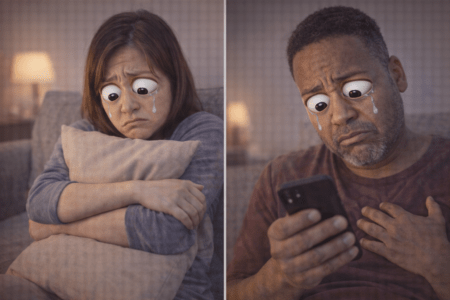
ItHurts Ouch Files: Loneliness Edition When Emotional Isolation Starts to Feel Like Physical Pain Loneliness can affect both emotional and physical health, activating stress responses in the brain and body similar to other forms of pain. Loneliness is more than simply being alone. It occurs when someone feels disconnected from meaningful relationships or social support. Research shows that loneliness can activate the same brain regions involved in physical pain. Over time, chronic loneliness may increase stress hormones, affect sleep, and influence both emotional and physical wellbeing. 3 Practical Ways to Reduce Loneliness and Rebuild Connection 💬 Initiate Small Social Interactions Short conversations, messages, or comments can gradually rebuild social confidence and reduce feelings of isolation. 🌍 Join Communities With Shared Experiences Participating in groups where people discuss similar challenges can help create a sense of belonging and understanding. 🧠 Challenge Negative Self-Talk Loneliness often brings thoughts such as “no one wants to hear from me.” Recognizing these thoughts as feelings rather than facts can help restore perspective. Consistent social engagement and supportive environments can gradually improve emotional wellbeing. If it Hurts we can help. If pain has taken over your sleep, your mood, or your search history, come find your people. Join the ItHurts Community Disclaimer: Enjoy the “Ouch Files” for the laughs and the lessons, but treat us like a witty friend rather than a diagnostic tool. We aren’t doctors, and this content is not medical advice. If loneliness becomes overwhelming or begins affecting mental health, consider speaking with a qualified mental health professional.
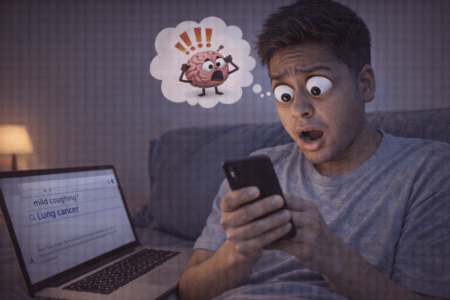
ItHurts Ouch Files: Health Anxiety Edition When Every Symptom Feels Like a Medical Emergency Health anxiety occurs when normal body sensations trigger intense worry about illness, often leading to repeated symptom checking and fear of serious disease. Health anxiety can cause ordinary sensations such as muscle tension, heart flutters, or headaches to feel alarming. When the brain interprets these sensations as signs of serious illness, the body’s stress response may activate and amplify the symptoms. This cycle of worry and physical stress can make harmless sensations feel much more intense than they actually are. 3 Practical Ways to Reduce Health Anxiety ⚖️ Evaluate Symptoms Calmly Ask whether the symptom is new, severe, worsening, or interfering with daily functioning before assuming a serious problem. 🔍 Limit Symptom Searching Online Constantly searching symptoms can increase anxiety and reinforce fear. Writing symptoms down and revisiting them later may help reduce impulsive worry. 🌍 Ground the Body to Calm the Mind Breathing exercises and sensory grounding techniques may help calm the nervous system and reduce the physical stress response. Over time, learning to pause and evaluate symptoms calmly can help break the anxiety cycle. If it Hurts we can help. If pain has taken over your sleep, your mood, or your search history, come find your people. Join the ItHurts Community Disclaimer: Enjoy the “Ouch Files” for the laughs and the lessons, but treat us like a witty friend rather than a diagnostic tool. We aren’t doctors, and this content is not medical advice. If symptoms are persistent, severe, or concerning, consult a qualified healthcare professional for evaluation.
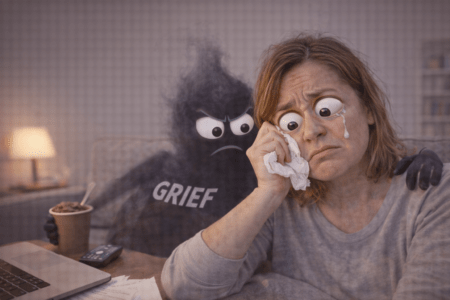
ItHurts Ouch Files: Grief Edition Grief Is the Worst Houseguest: It Eats Your Snacks, Breaks Your Heart, and Never Leaves a Note Grief is a powerful emotional response to loss that can affect sleep, concentration, appetite, and daily life in unpredictable ways. Grief can appear suddenly and intensely, triggered by memories, places, songs, or everyday moments that remind us of what we have lost. It is more than sadness. Grief affects the nervous system, emotions, and even the body, often causing fatigue, sleep disruption, and emotional waves that come without warning. While grief never fully disappears, many people gradually learn ways to live alongside it while continuing to rebuild meaning and connection in their lives. 3 Gentle Ways to Coexist With Grief 🖤 Stop Trying to “Get Over It” Grief does not follow a fixed timeline. Allowing space for emotions through journaling, reflection, or intentional quiet moments can help the nervous system process loss instead of suppressing it. 🧠 Challenge the Thoughts Grief Creates Grief can produce painful thoughts such as “I should be over this” or “I’ll never feel normal again.” Recognizing these as feelings—not permanent truths—can help reduce emotional intensity. 🌱 Create Small Daily Anchors Simple routines such as short walks, music, or connecting with a trusted person can slowly rebuild a sense of stability and safety during the grieving process. Healing from grief does not mean forgetting the loss. It often means learning how to carry love and memory while continuing to live forward. If it Hurts we can help. If pain, trauma, or loss has taken over your thoughts, come find people who understand. Join the ItHurts Community Disclaimer: Enjoy the “Ouch Files” for the laughs and the lessons, but treat us like a thoughtful guide rather than a diagnostic tool. We aren’t doctors, and this content is not medical advice. Grief and emotional distress can affect mental and physical health, and if your pain feels overwhelming or dangerous, please seek help from a qualified mental health professional.
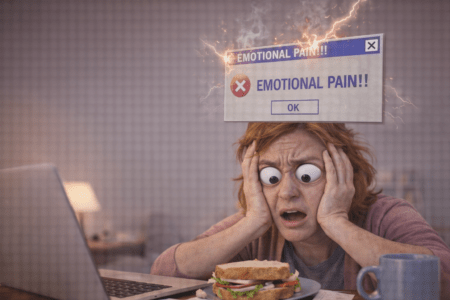
ItHurts Ouch Files: Emotional Pain Edition Your Brain Is Running Windows 95 Emotional pain can freeze the nervous system in survival mode, causing stress, rumination, and exhaustion. Emotional pain is often invisible, yet it can affect the body and mind as strongly as physical pain. Loss, betrayal, burnout, rejection, or grief can keep the nervous system in a constant state of alert. When emotional stress repeats over time, the brain may replay painful memories and create cycles of rumination that increase distress. 3 Practical Ways to Reduce Emotional Pain 🧠 Name the Emotion Clearly Identifying and labeling emotions such as grief, anger, or exhaustion can help the brain process them more calmly and reduce emotional intensity. 🔄 Interrupt the Rumination Loop Setting a short period to write or reflect on stressful thoughts and then shifting to movement or breathing exercises can help limit repetitive thinking. ❤️ Restore Nervous System Safety Sleep, regular meals, gentle movement, and supportive social interaction help signal safety to the body and reduce emotional overload. Emotional pain does not mean someone is broken—it often signals that something meaningful happened and deserves attention and care. If it Hurts we can help. If pain has taken over your sleep, your mood, or your search history, come find your people. Join the ItHurts Community Disclaimer: Enjoy the “Ouch Files” for the laughs and the lessons, but treat us like a helpful friend rather than a diagnostic tool. We aren’t doctors, and this content is not medical advice. If emotional pain becomes overwhelming or interferes with daily life, consult a qualified mental health professional for support.
ItHurts Ouch Files: Eating Disorder Edition Your Brain Is on a Diet, and It’s Being a Jerk About It Eating disorders can disrupt physical health, emotional balance, and daily functioning, often creating a cycle of stress, restriction, and pain. Eating disorders are complex conditions that affect both the body and mind. Restrictive eating, food anxiety, and intense self-criticism can create cycles of stress that impact physical health, digestion, energy levels, and emotional wellbeing. Although these experiences can feel overwhelming, recovery is possible with consistent support, healthier coping strategies, and professional care. 3 Supportive Steps That May Help Recovery 🍽️ Prioritize Consistent Nourishment Eating balanced meals at regular intervals can help stabilize blood sugar levels and reduce stress signals within the nervous system. 🧠 Challenge Harmful Thought Patterns Recognizing and questioning negative beliefs about food, body image, or self-worth can gradually weaken the cycle of restriction and guilt. 🧘 Focus on Nervous System Regulation Practices such as gentle movement, breathing exercises, restful sleep, and supportive relationships can help calm the body and support recovery. Healing from an eating disorder often involves rebuilding trust with food, the body, and supportive people. Recovery may take time, but progress is possible. If it Hurts we can help. If pain has taken over your sleep, your mood, or your search history, come find your people. Join the ItHurts Community Disclaimer: Enjoy the “Ouch Files” for the laughs and the lessons, but treat us like a helpful friend rather than a diagnostic tool. We aren’t doctors, and this content is not medical advice. Eating disorders are serious conditions that require professional support. If you or someone you know is struggling, consult a qualified medical or mental health professional.
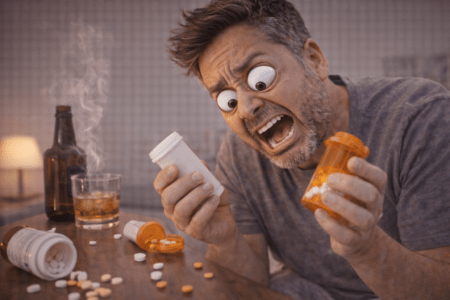
ItHurts Ouch Files: Painkiller Edition Your Painkiller Has a Personality Disorder (And It’s Gaslighting You) Painkillers can help in the short term, but relying on substances for relief can sometimes create a cycle where tolerance, dependence, and pain become intertwined. Pain relief medications are commonly used to reduce discomfort from injury, inflammation, or chronic conditions. However, when pain relief becomes the only coping strategy, tolerance and dependence can sometimes develop. This doesn’t mean someone is weak—it means the nervous system has learned to rely on quick relief instead of broader pain management strategies. 3 Practical Ways to Support Healthier Pain Relief 🔄 Address the Source of Pain Instead of relying only on medication, identify what is triggering the pain. Musculoskeletal pain may respond to movement or stretching, nerve sensitivity may improve with sleep and stress reduction, and emotional stress may benefit from support or therapy. 🧠 Create Predictable Pain Relief Routines Scheduled approaches such as heat therapy, cold packs, breathwork, stretching, or light movement can help regulate the nervous system and reduce the urge to reach for medication impulsively. 🤝 Reduce Isolation Around Pain Pain often becomes harder to manage when someone feels alone. Talking with supportive communities, healthcare professionals, or others who understand chronic pain can help reduce stress and improve coping strategies. Managing pain often works best when multiple strategies are combined—supporting both the body and the nervous system. If it Hurts we can help. If pain has taken over your sleep, your mood, or your search history, come find your people. Join the ItHurts Community Disclaimer: Enjoy the “Ouch Files” for the laughs and the lessons, but treat us like a supportive friend rather than a diagnostic tool. We are not doctors, and this content is not medical advice. If you are struggling with substance use, pain medication dependence, or uncontrolled pain, consult a qualified healthcare professional for guidance and treatment.
Afghanistan
Albania
Algeria
Andorra
Angola
Argentina
Armenia
Australia
Austria
Azerbaijan
Bahrain
Bangladesh
Barbados
Belarus
Belgium
Belize
Benin
Bhutan
Bolivia
Bosnia and Herzegovina
Botswana
Brazil
Brunei
Bulgaria
Burkina Faso
Burundi
Cambodia
Cameroon
Canada
Cape Verde
Central African Republic
Chad
Chile
China
Colombia
Comoros
Congo
Costa Rica
Croatia
Cuba
Cyprus
Czech Republic
Denmark
Djibouti
Dominican Republic
Ecuador
Egypt
El Salvador
Estonia
Ethiopia
Finland
France
Gabon
Gambia
Georgia
Germany
Ghana
Greece
Guatemala
Guinea
Guyana
Haiti
Honduras
Hungary
Iceland
India
Indonesia
Iran
Iraq
Ireland
Israel
Italy
Jamaica
Japan
Jordan
Kazakhstan
Kenya
Kuwait
Kyrgyzstan
Laos
Latvia
Lebanon
Lesotho
Liberia
Libya
Lithuania
Luxembourg
Madagascar
Malawi
Malaysia
Maldives
Mali
Malta
Mauritania
Mauritius
Mexico
Moldova
Mongolia
Montenegro
Morocco
Mozambique
Myanmar
Namibia
Nepal
Netherlands
New Zealand
Nicaragua
Niger
Nigeria
Norway
Oman
Pakistan
Panama
Paraguay
Peru
Philippines
Poland
Portugal
Qatar
Romania
Russia
Rwanda
Saudi Arabia
Senegal
Serbia
Singapore
Slovakia
Slovenia
South Africa
South Korea
Spain
Sri Lanka
Sudan
Sweden
Switzerland
Syria
Taiwan
Tajikistan
Tanzania
Thailand
Turkey
Turkmenistan
Uganda
Ukraine
United Arab Emirates
United Kingdom
United States
Uruguay
Uzbekistan
Venezuela
Vietnam
Yemen
Zambia
Zimbabwe