
 United States
▾
United States
▾
 Afghanistan
 Albania
 Algeria
 Andorra
 Angola
 Argentina
 Armenia
 Australia
 Austria
 Azerbaijan
 Bahrain
 Bangladesh
 Barbados
 Belarus
 Belgium
 Belize
 Benin
Benin
 Bhutan
 Bolivia
 Bosnia and Herzegovina
 Botswana
 Brazil
 Brunei
 Bulgaria
 Burkina Faso
 Burundi
 Cambodia
 Cameroon
 Canada
 Cape Verde
 Central African Republic
 Chad
Chad
 Chile
Chile
 China
China
 Colombia
 Comoros
 Congo
Congo
 Costa Rica
 Croatia
 Cuba
Cuba
 Cyprus
 Czech Republic
 Denmark
 Djibouti
 Dominican Republic
 Ecuador
 Egypt
Egypt
 El Salvador
 Estonia
 Ethiopia
 Finland
 France
 Gabon
Gabon
 Gambia
 Georgia
 Germany
 Ghana
Ghana
 Greece
 Guatemala
 Guinea
 Guyana
 Haiti
Haiti
 Honduras
 Hungary
 Iceland
 India
India
 Indonesia
 Iran
Iran
 Iraq
Iraq
 Ireland
 Israel
 Italy
Italy
 Jamaica
 Japan
Japan
 Jordan
 Kazakhstan
 Kenya
Kenya
 Kuwait
 Kyrgyzstan
 Laos
Laos
 Latvia
 Lebanon
 Lesotho
 Liberia
 Libya
Libya
 Lithuania
 Luxembourg
 Madagascar
 Malawi
 Malaysia
 Maldives
 Mali
Mali
 Malta
Malta
 Mauritania
 Mauritius
 Mexico
 Moldova
 Mongolia
 Montenegro
 Morocco
 Mozambique
 Myanmar
 Namibia
 Nepal
Nepal
 Netherlands
 New Zealand
 Nicaragua
 Niger
Niger
 Nigeria
 Norway
 Oman
Oman
 Pakistan
 Panama
 Paraguay
 Peru
Peru
 Philippines
 Poland
 Portugal
 Qatar
Qatar
 Romania
 Russia
 Rwanda
 Saudi Arabia
 Senegal
 Serbia
 Singapore
 Slovakia
 Slovenia
 South Africa
 South Korea
 Spain
Spain
 Sri Lanka
 Sudan
Sudan
 Sweden
 Switzerland
 Syria
Syria
 Taiwan
 Tajikistan
 Tanzania
 Thailand
 Turkey
 Turkmenistan
 Uganda
 Ukraine
 United Arab Emirates
 United Kingdom
 United States
 Uruguay
 Uzbekistan
 Venezuela
 Vietnam
 Yemen
Yemen
 Zambia
 Zimbabwe
ItHurts Ouch Files: SI Joint Pain Edition
Your SI Joint Is Gaslighting You
When your lower back and pelvis suddenly revolt, the sacroiliac (SI) joint may be the culprit. This small but powerful joint connects your spine to your pelvis and plays a major role in stability and movement.
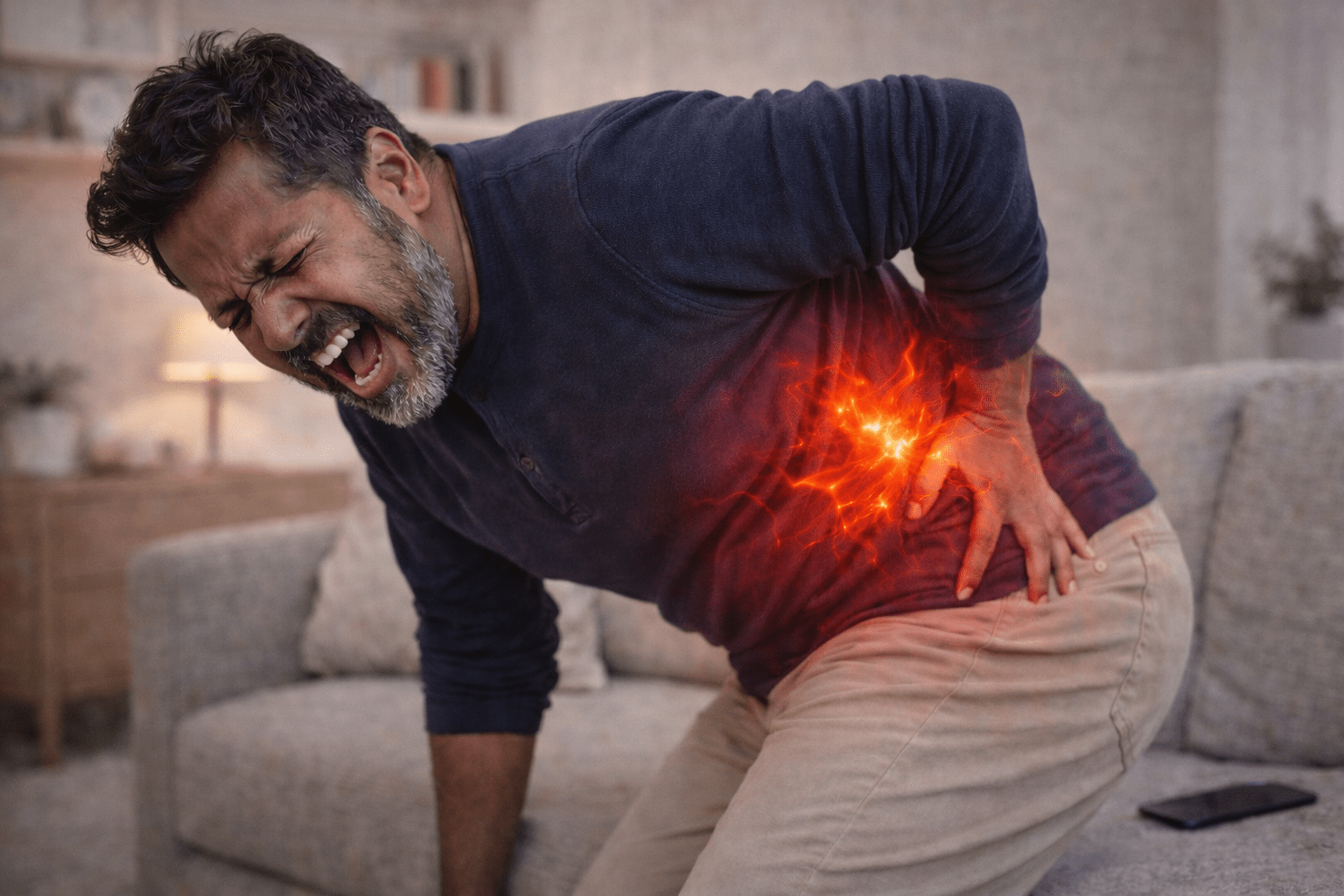
SI joint pain often appears suddenly and can make normal movements like sitting, standing, or walking uncomfortable. Irritation or instability in this joint can create pain in the lower back, buttocks, hips, or upper thigh.
3 Practical Ways to Support the SI Joint
🧘 Use Gentle Mobility Instead of Aggressive Stretching
Slow hip flexor stretches and controlled hamstring mobility can reduce surrounding tension without destabilizing the joint further.
💪 Strengthen Core and Glutes
Exercises such as glute bridges, clamshells, and light core bracing provide stability and reduce excessive stress on the SI joint.
⚖️ Maintain Balanced Posture and Movement
Avoid twisting while lifting, sit with even weight distribution, and use supportive sleeping positions to reduce uneven pressure on the pelvis.
The Bigger Picture
SI joint pain often improves when stability, posture, and movement patterns are addressed. Listening to the body's signals and supporting the joint can help restore normal function.
If it Hurts we can help.
If pain has taken over your sleep, your mood, or your search history, come find your people.
Join the ItHurts Community
Disclaimer: Enjoy the "Ouch Files" for the laughs and the lessons, but treat us like a witty friend rather than a diagnostic tool. We aren't doctors, and this content is not medical advice. Persistent or severe back or pelvic pain should always be evaluated by a qualified healthcare professional.