No products in the cart.
United States
▾
Afghanistan
Albania
Algeria
Andorra
Angola
Argentina
Armenia
Australia
Austria
Azerbaijan
Bahrain
Bangladesh
Barbados
Belarus
Belgium
Belize
Benin
Bhutan
Bolivia
Bosnia and Herzegovina
Botswana
Brazil
Brunei
Bulgaria
Burkina Faso
Burundi
Cambodia
Cameroon
Canada
Cape Verde
Central African Republic
Chad
Chile
China
Colombia
Comoros
Congo
Costa Rica
Croatia
Cuba
Cyprus
Czech Republic
Denmark
Djibouti
Dominican Republic
Ecuador
Egypt
El Salvador
Estonia
Ethiopia
Finland
France
Gabon
Gambia
Georgia
Germany
Ghana
Greece
Guatemala
Guinea
Guyana
Haiti
Honduras
Hungary
Iceland
India
Indonesia
Iran
Iraq
Ireland
Israel
Italy
Jamaica
Japan
Jordan
Kazakhstan
Kenya
Kuwait
Kyrgyzstan
Laos
Latvia
Lebanon
Lesotho
Liberia
Libya
Lithuania
Luxembourg
Madagascar
Malawi
Malaysia
Maldives
Mali
Malta
Mauritania
Mauritius
Mexico
Moldova
Mongolia
Montenegro
Morocco
Mozambique
Myanmar
Namibia
Nepal
Netherlands
New Zealand
Nicaragua
Niger
Nigeria
Norway
Oman
Pakistan
Panama
Paraguay
Peru
Philippines
Poland
Portugal
Qatar
Romania
Russia
Rwanda
Saudi Arabia
Senegal
Serbia
Singapore
Slovakia
Slovenia
South Africa
South Korea
Spain
Sri Lanka
Sudan
Sweden
Switzerland
Syria
Taiwan
Tajikistan
Tanzania
Thailand
Turkey
Turkmenistan
Uganda
Ukraine
United Arab Emirates
United Kingdom
United States
Uruguay
Uzbekistan
Venezuela
Vietnam
Yemen
Zambia
Zimbabwe
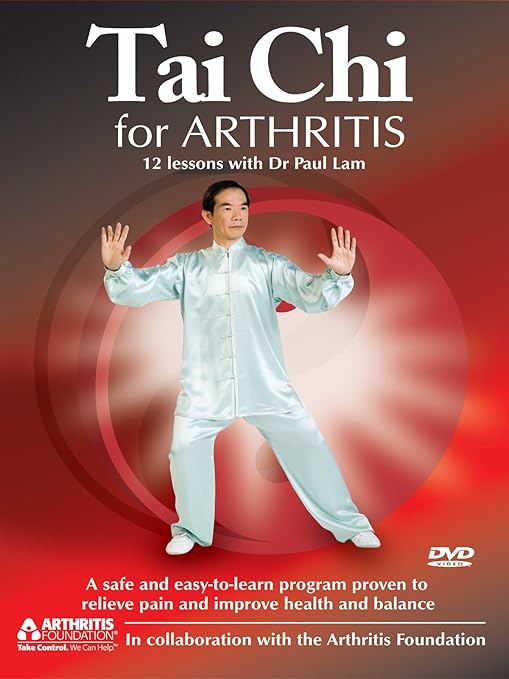
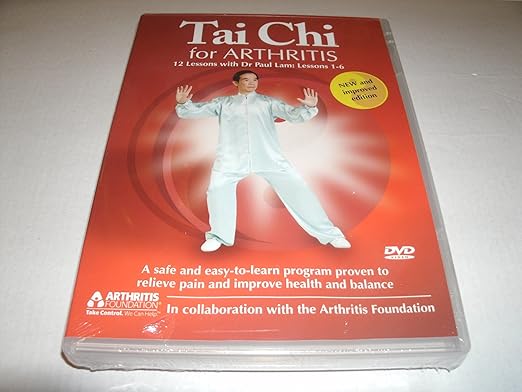
Arthritis pain can affect joint mobility, balance, flexibility, and
confidence in daily movement. Stiffness, inflammation, reduced range
of motion, and fear of falling often contribute to decreased activity
levels—impacting both physical and emotional well-being.
Tai Chi for Health certification programs are designed to teach safe,
slow, and controlled movements specifically adapted for arthritis
management and joint protection. These evidence-informed routines
emphasize posture, weight shifting, balance awareness, and mindful
breathing. When practiced consistently, Tai Chi may help support
joint comfort, improve mobility, enhance stability, and encourage
long-term functional independence as part of a comprehensive
wellness or rehabilitation plan.
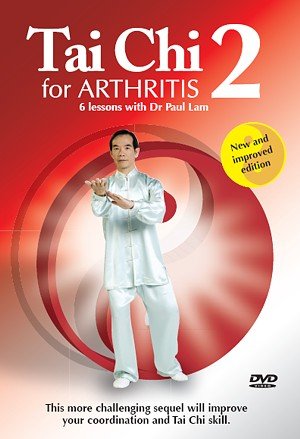
The Tai Chi for Health Institute Certification is a professional training program designed to equip instructors, therapists, and wellness practitioners with evidence-based Tai Chi teaching skills. Focusing on gentle movement, balance, stress reduction, and mindful body awareness, it blends traditional Tai Chi principles with modern wellness science — making it ideal for anyone seeking to support physical function, mental calm, and holistic movement in diverse populations.
Based on evidence-informed Tai Chi principles
Helps teach safe, gentle movement for balance & mobility
Supports stress reduction, body awareness, and relaxation
Trains practitioners in adaptations for varied abilities
Requires time and practice to achieve certification
Not a quick “one-session” fix — involves training commitment
Skill depends on instructor’s practice and embodied learning
Fitness instructors, Pilates/Yoga teachers
Physical therapists and rehab professionals
Wellness practitioners (e.g., meditation, movement)
Clinical exercise specialists
| Feature | Summary |
|---|---|
| Program Type | Professional certification training |
| Core Focus | Tai Chi for balance, mobility & wellness |
| Best For | Instructors, clinicians & wellness coaches |
| Format | Workshops, certification courses, online & in-person |
| Evidence Base | Health science research + mindful movement principles |
| Application | Group classes, therapy programs & personal practice |
| Skills Gained | Balance training, fall prevention & mindful movement instruction |
| Overall Wellness Support | ⭐⭐⭐⭐⭐ |
Q1. What exactly is the Tai Chi for Health Certification?
A: It’s a professional training program that teaches instructors how to lead Tai Chi-based movement classes focused on balance, mobility, stress reduction, and mindful wellness.
Q2. Who can take this certification?
A: Fitness professionals, rehab clinicians, yoga/Pilates instructors, wellness coaches — and even individuals passionate about mindful movement are welcome.
Q3. Is previous Tai Chi experience required?
A: No. Many courses start with foundational Tai Chi and build toward teaching skills with guided learning.
Q4. What outcomes does the training support?
A: Certified practitioners can lead safe, effective movement sessions that help with balance, flexibility, fall prevention, stress relief, and general wellness support.
Q5. Is this a continuing education credit (CEU)-eligible course?
A: Many offerings provide CEU options — check specific training providers for CEU affiliations and credits.
Q6. What skills will I gain?
A: You’ll learn Tai Chi forms, movement progression methods, adaptations for different abilities, class cueing strategies, and mindful movement facilitation.
Wellness, Rehab & Lifestyle challenges are personal, and the right solution can significantly improve everyday comfort and quality of life