


The 2 a.m. shuffle
You fall asleep on your side, and an hour or two later you wake with a deep ache in your hip. You roll onto your back, then the other side, then try a pillow, then give up and get a glass of water. By morning you've slept in fragments and the hip still feels stiff. Night-time hip pain is one of the most common complaints people with hip problems describe, and poor sleep can then make pain feel worse the next day.
This article focuses on that one problem: getting better rest when your hip hurts. It covers why hips often protest at night, positions and pillow setups worth trying, bedtime habits, and the signs that night pain needs a closer look.
Why hips often hurt more at night
- Direct pressure. Lying on your side puts body weight on the bony point of the outer hip, where tendons and a small fluid-filled sac (bursa) sit. Irritation here, often called greater trochanteric pain syndrome, is a very common reason side-sleeping hurts.
- Stretched tendons. Lying on the pain-free side can let the top leg drop forward and across, stretching the sore tendons on the painful side.
- Stillness and stiffness. Joints with arthritis often stiffen when they don't move for a while, so you may wake when you try to turn over.
- Fewer distractions. In a quiet, dark room, there's less to compete with pain signals, so they can feel louder.
- A long day catching up. Lots of walking, standing or stairs can leave the hip sore by bedtime.
Positions worth trying
On your back
- Place a pillow under your knees. This takes strain off the hips and lower back for many people.
- If one hip is sore, a small rolled towel under that side can sometimes ease pressure.
On your side (pain-free side down)
- Put a firm pillow between your knees, and ideally between your ankles too, so the top leg stays level with the hip rather than dropping.
- A long body pillow can support the whole leg and stop you rolling forward.
- Keep your knees gently bent, not pulled tightly to your chest.
On your side (painful side down)
- Usually the hardest position. If you can't avoid it, try a soft mattress topper and a pillow behind your back so you can tilt slightly backward, taking weight off the bony point.
Getting in and out of bed
- Roll onto your side with knees together, then push up with your arms as your legs come off the bed together. Reverse this to lie down. This "log roll" avoids twisting the hip.
Your mattress and bedding
- A very firm mattress can increase pressure on the outer hip when side-sleeping; a very soft one may let the hips sink and twist. Many people with hip pain find a medium-firm surface comfortable.
- A memory foam or similar mattress topper is a lower-cost way to add cushioning before replacing a mattress.
- Lighter bedding makes turning over easier.
- If you share a bed, a larger mattress or separate covers can reduce disturbance when you need to shift.

Evening habits that may help
- Gentle movement before bed. A short, easy walk or a few slow hip movements in the evening can reduce stiffness. Avoid hard exercise right before bed.
- Warmth. A warm shower or bath, or a warm pack on the hip for 15 to 20 minutes before bed, relaxes muscles for some people. Never fall asleep with a heating pad on.
- Cold for a flare. If the hip is hot and irritated after a busy day, a wrapped cold pack may feel better.
- Pace the day. Spreading out heavy walking, stairs and chores can mean less pain at night.
- Pain relief timing. If you use pain relievers, ask your doctor or pharmacist about the best timing and whether they suit you.
- A wind-down routine. Dim lights, less screen time, and slow breathing help your nervous system settle, which can make pain feel less intense.
Relief picks for hip pain at night
Hand-picked by ItHurts · an everyday option, a best overall and a clinical-grade upgrade
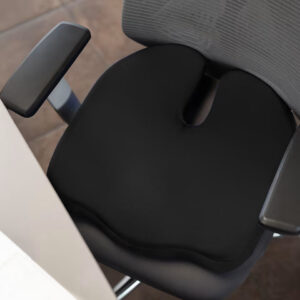




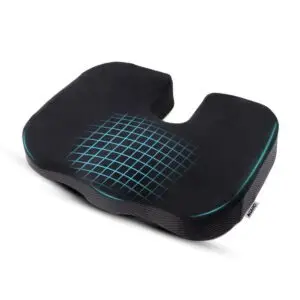
Some links are affiliate links. If you buy through them, ItHurts.com may earn a small commission at no extra cost to you.
If you wake in the night
- Change position slowly and readjust your pillows rather than lying still in pain
- Try a few slow breaths or a body scan to relax the muscles around the hip
- If you can't get back to sleep after about 20 minutes, get up briefly, move gently, then return to bed
- Keep water and any aids you need, such as a body pillow, within reach
When night pain needs a closer look
Get urgent care, or call your local emergency number, if you have sudden severe hip pain after a fall, can't bear weight, or have a hot, swollen hip with fever. See a doctor soon if:
- Pain wakes you every night and doesn't ease with changing position
- You have night sweats, fever or unexplained weight loss
- You have a history of cancer and new hip or bone pain
- Pain spreads down the leg with numbness, tingling or weakness
- Poor sleep from hip pain is affecting your mood, work or safety
A doctor or physical therapist can help identify the cause, and guided exercises to strengthen the hip muscles often reduce night pain over time.
It helps to bring specifics to that appointment: which side hurts, which positions are worst, how many times you wake, and whether stiffness or sharp pain is the main problem. A week of brief notes kept by the bed makes this easy, and it gives your clinician a much clearer picture than "my hip hurts at night."
The short of it
Hip pain often gets worse at night because of pressure, stretched tendons and stiffness. A pillow between the knees, a softer topper, gentle evening movement and a calm wind-down routine help many people sleep better. Persistent night pain, fever or weight loss deserves a medical check.
Share your best sleep tips
Map out your symptoms with the free Pain Check-Up, and swap ideas in our pelvic, hip and groin pain groups.
Join the Hip Pain GroupReviewed by the ItHurts editorial team · Last reviewed 18 October 2026 · General information, not medical advice. If you are worried about your symptoms, talk to a doctor.