

ItHurts Ouch Files: Loneliness Edition
When Emotional Isolation Starts to Feel Like Physical Pain
Loneliness can affect both emotional and physical health, activating stress responses in the brain and body similar to other forms of pain.
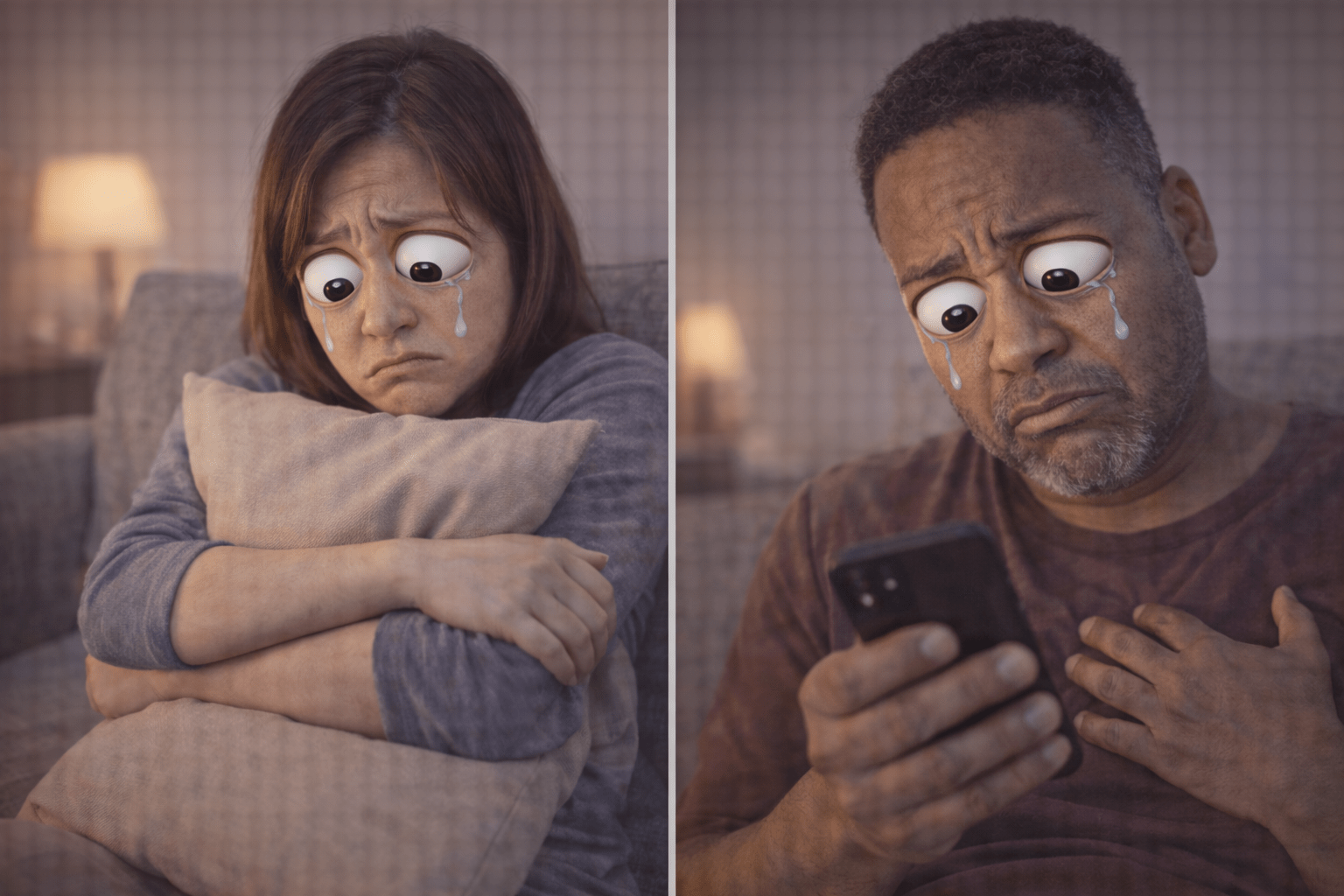
Loneliness is more than simply being alone. It occurs when someone feels disconnected from meaningful relationships or social support.
Research shows that loneliness can activate the same brain regions involved in physical pain. Over time, chronic loneliness may increase stress hormones, affect sleep, and influence both emotional and physical wellbeing.
3 Practical Ways to Reduce Loneliness and Rebuild Connection
💬 Initiate Small Social Interactions
Short conversations, messages, or comments can gradually rebuild social confidence and reduce feelings of isolation.
🌍 Join Communities With Shared Experiences
Participating in groups where people discuss similar challenges can help create a sense of belonging and understanding.
🧠 Challenge Negative Self-Talk
Loneliness often brings thoughts such as “no one wants to hear from me.” Recognizing these thoughts as feelings rather than facts can help restore perspective.
Consistent social engagement and supportive environments can gradually improve emotional wellbeing.
If it Hurts we can help.
If pain has taken over your sleep, your mood, or your search history, come find your people.
Join the ItHurts CommunityDisclaimer: Enjoy the "Ouch Files" for the laughs and the lessons, but treat us like a witty friend rather than a diagnostic tool. We aren't doctors, and this content is not medical advice. If loneliness becomes overwhelming or begins affecting mental health, consider speaking with a qualified mental health professional.
