

ItHurts Ouch Files: Chilblains Edition
Chilblains: When Cold Weather Declares War on Your Toes
Chilblains are painful, itchy, and swollen patches of skin that appear after exposure to cold temperatures. They commonly affect the fingers, toes, ears, and nose when blood vessels react poorly to sudden temperature changes.
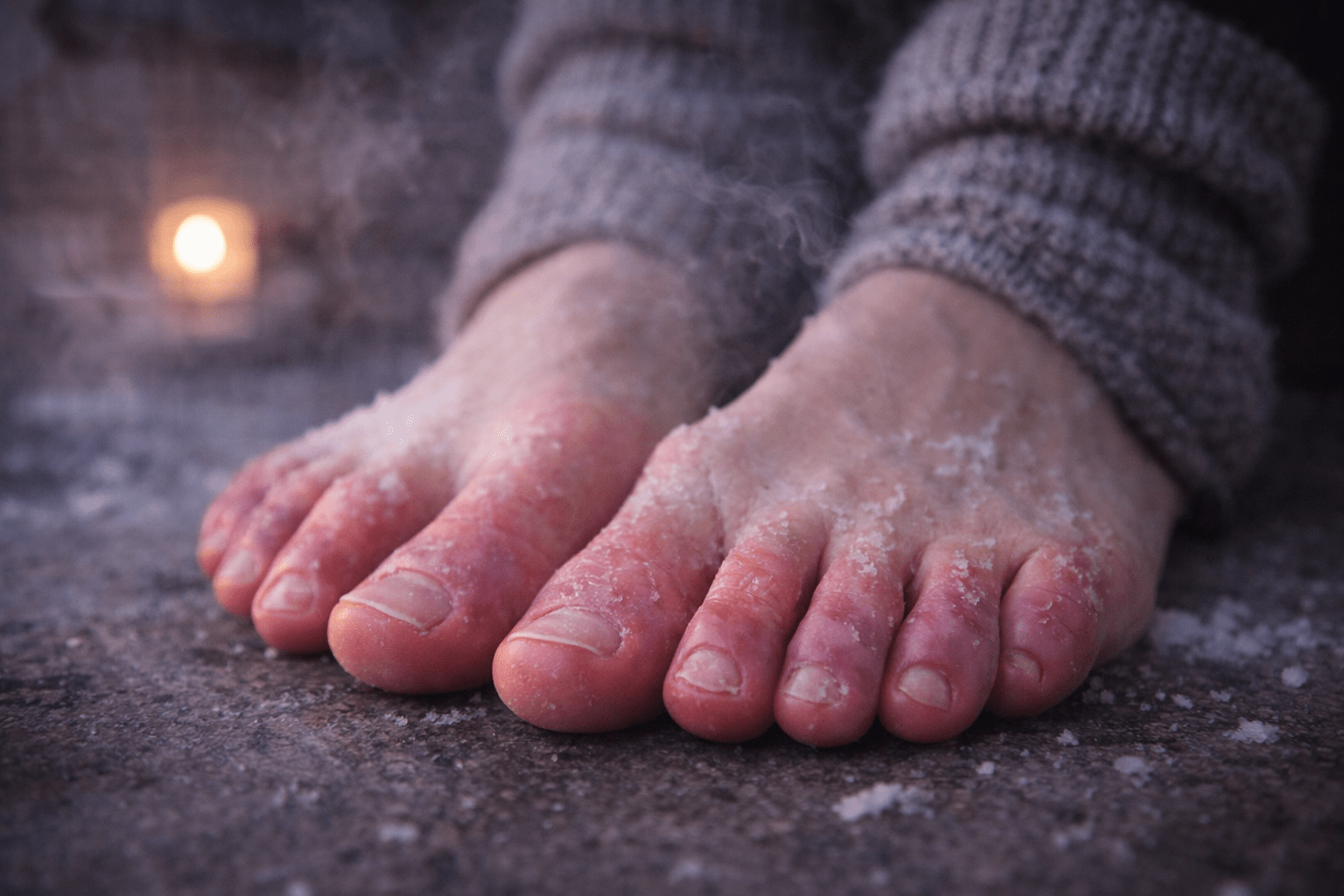
Chilblains occur when small blood vessels in the skin react abnormally to cold exposure and rapid warming. This can cause redness, swelling, itching, and sometimes a burning sensation.
Although chilblains can feel uncomfortable, gentle care and proper cold-weather habits may help reduce symptoms and prevent future flare-ups.
3 Practical Tips That May Help Reduce Chilblains Symptoms
🧦 Warm Up Gradually
When hands or feet become very cold, avoid sudden exposure to intense heat. Gradually warming the affected areas with socks, gloves, or blankets allows blood vessels to adjust more smoothly.
🚶 Improve Circulation
Light movement such as walking, stretching, or gently massaging hands and feet can encourage healthy blood flow and reduce the risk of chilblains developing.
🧴 Protect and Moisturize the Skin
Keeping the skin moisturized and protected from harsh weather conditions can help prevent cracking and irritation. Choose fragrance-free moisturizers and wear warm protective clothing in cold environments.
Most chilblains improve within a few weeks when the skin is kept warm and protected. However, recurring or severe symptoms may require medical evaluation.
If it Hurts we can help.
If pain has taken over your sleep, your mood, or your search history, come find your people.
Join the ItHurts Community
Disclaimer: Enjoy the "Ouch Files" for the laughs and the lessons, but treat us like a witty friend rather than a diagnostic tool. We aren't doctors, and this content is not medical advice. If chilblains are severe, recurrent, or show signs of infection, consult a qualified healthcare professional.
