

ItHurts Ouch Files: Interstitial Cystitis Edition
🔥 Your Bladder Is a Drama Queen: A Survival Guide to Interstitial Cystitis
Interstitial cystitis can cause bladder pressure, pelvic pain, and frequent urination that disrupt daily life and sleep.
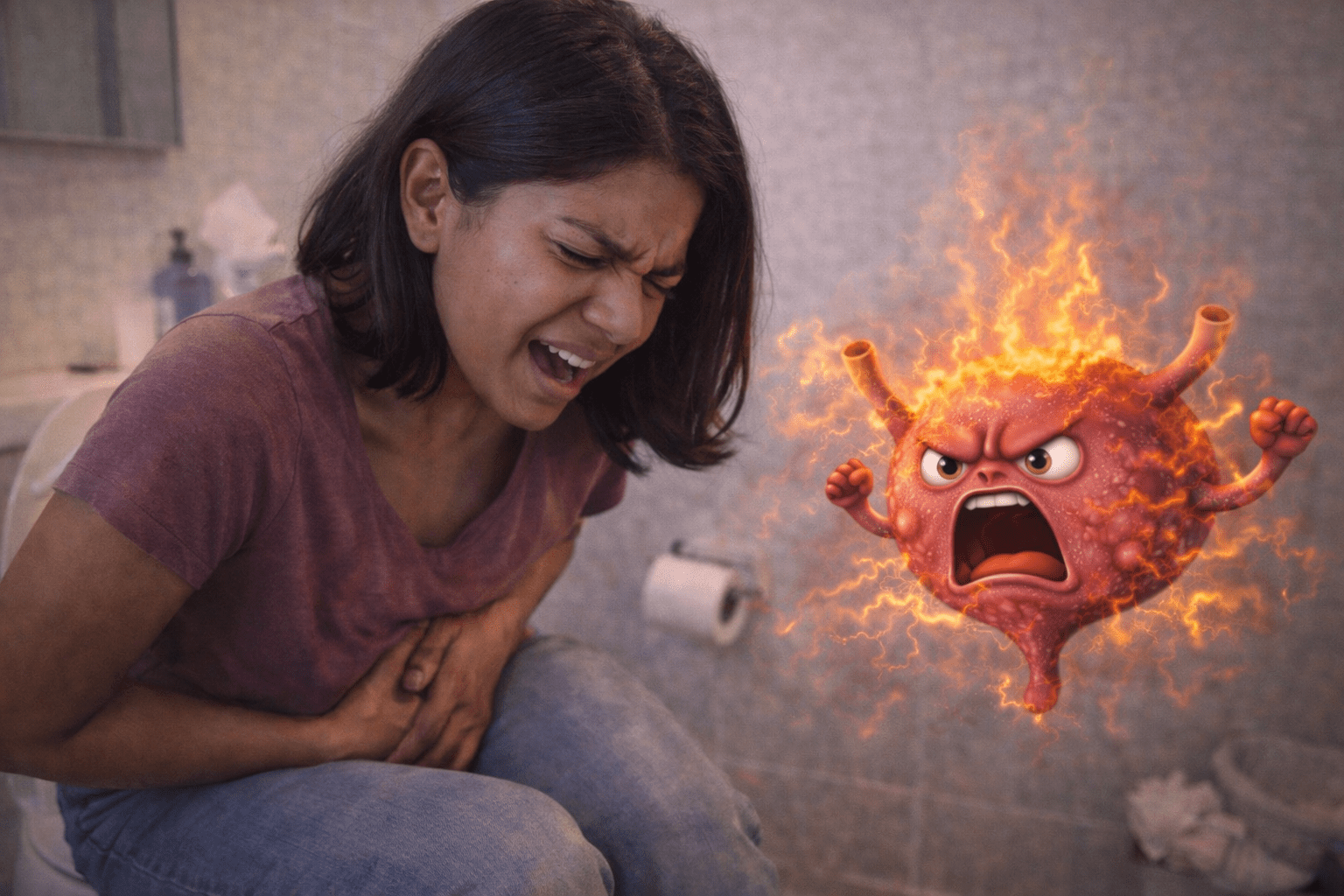
If you have Interstitial Cystitis (IC), your bladder can feel unpredictable and overly sensitive. Symptoms may include bladder pressure, pelvic pain, frequent urination, and discomfort that flares without warning.
Many people describe IC as a constant negotiation with their bladder—trying to manage triggers while maintaining daily routines.
Although IC requires medical evaluation and treatment, certain supportive habits may help reduce flare intensity and improve comfort.
3 Practical Tips That May Help Manage IC Symptoms
🍽 Identify and Avoid Trigger Foods
Acidic foods, caffeine, alcohol, and artificial sweeteners may worsen bladder irritation for some people. Keeping a simple food and symptom log can help identify personal triggers.
🧘 Relax the Pelvic Floor
Tight pelvic muscles may increase urgency and discomfort. Gentle breathing exercises, heat therapy on the lower abdomen, and pelvic floor physical therapy may help reduce tension.
🧰 Prepare a Flare-Day Toolkit
Planning ahead for symptom flare-ups may make them easier to manage. Heat packs, hydration, gentle movement, and guidance from healthcare providers can support symptom relief.
Living with IC can be frustrating and isolating, but support from healthcare professionals and communities can help people better navigate the condition.
If it Hurts we can help.
If pain has taken over your sleep, your mood, or your search history, come find your people.
Join the ItHurts Community
Disclaimer: Enjoy the "Ouch Files" for the laughs and the lessons, but treat us like a witty friend rather than a diagnostic tool. We aren't doctors, and this content is not medical advice. Interstitial cystitis is a complex condition that may require evaluation and treatment from qualified healthcare professionals.
