
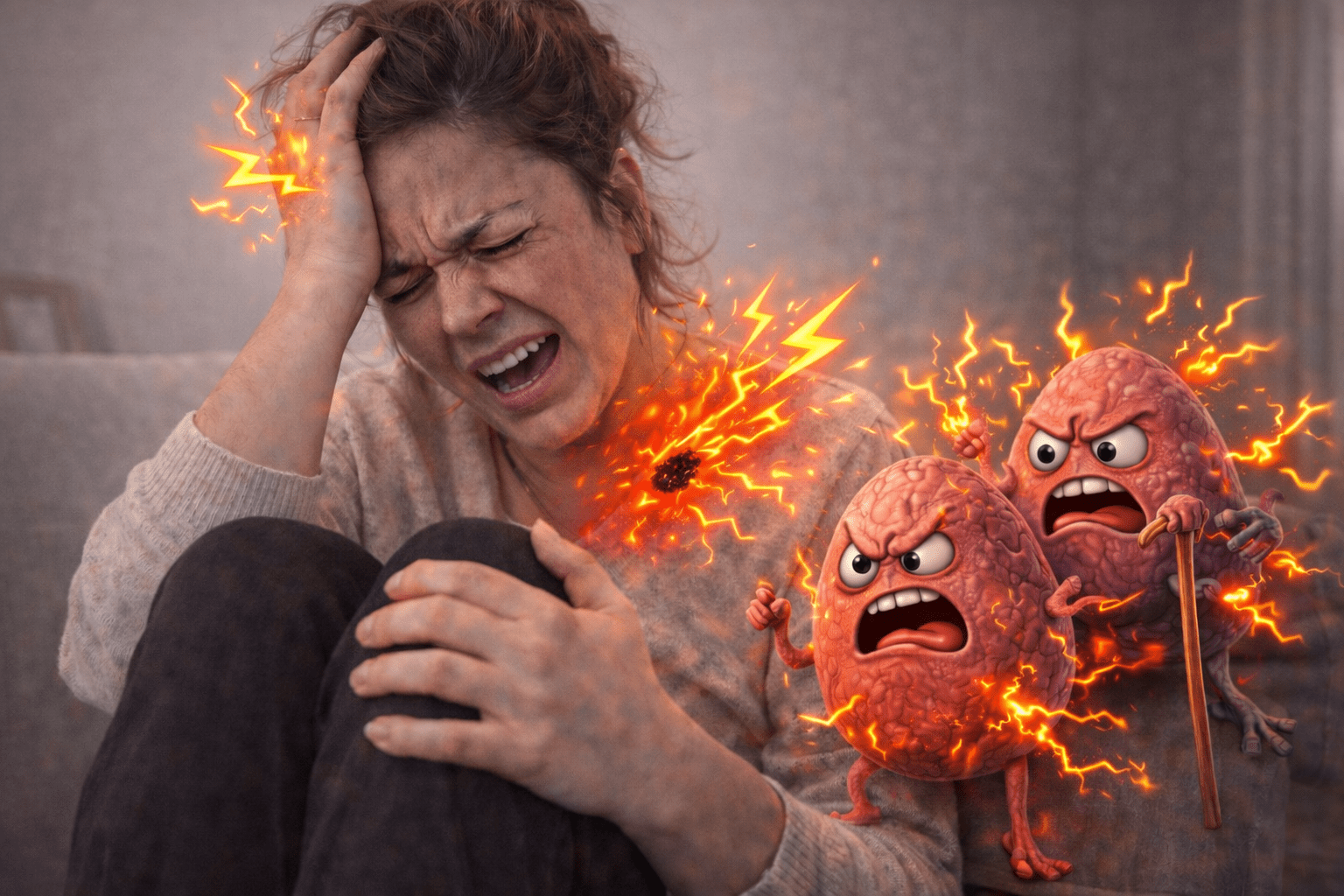
Multiple Sclerosis (MS) is a chronic neurological condition that affects the central nervous system. It can interfere with how signals travel between the brain, spinal cord, and the rest of the body.
People living with MS may experience symptoms such as nerve pain, muscle stiffness, fatigue, tingling sensations, or weakness. These symptoms can vary from day to day and may affect mobility, comfort, and daily activities.
While medical treatment is essential, certain lifestyle strategies may help reduce symptom intensity and support overall wellbeing.
3 Practical Strategies That May Help Manage MS Pain
🧊 Keep Body Temperature Cool
Heat sensitivity is common in people with MS and may worsen fatigue, weakness, and nerve-related symptoms.
- Use cooling wraps, fans, or air conditioning in warm environments
- Choose lukewarm showers instead of hot ones
- Wear lightweight, breathable clothing
Maintaining a cooler body temperature may help reduce symptom flare-ups.
🧘 Gentle Movement and Stretching
Muscle stiffness and spasticity can contribute to MS-related pain.
- Practice gentle stretching or range-of-motion exercises
- Take short walks instead of intense workouts
- Consider physical therapy designed for neurological conditions
Regular, controlled movement may help reduce stiffness and improve circulation.
🧠 Support Nervous System Regulation
MS pain is influenced by how the nervous system processes signals.
- Use relaxation techniques such as breathing exercises or meditation
- Practice mindfulness or guided relaxation
- Maintain supportive sleep routines
Reducing stress and calming the nervous system may help lower pain sensitivity.
You Are Not Alone
Living with Multiple Sclerosis can feel unpredictable and challenging. Support from healthcare providers, caregivers, and communities can help individuals manage symptoms while maintaining independence and quality of life.
⚠️ Disclaimer
I am not a doctor. This content is for informational purposes only and should not replace professional medical advice.
Multiple Sclerosis is a complex neurological condition that requires evaluation and treatment by qualified healthcare professionals. Always consult your healthcare provider for diagnosis, treatment options, and symptom management.
If it Hurts we can help.
Join ItHurts — the Social Network for Pain.
A place where people living with pain can learn, listen, and share experiences with others who truly understand.
Visit ItHurts