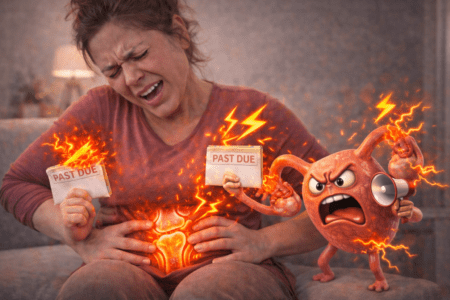
ItHurts Ouch Files: Ovarian Pain Edition Your Ovaries Are Not Being “Dramatic”—They’re Sending a Group Text You Shouldn’t Ignore Ovarian pain can present as pelvic discomfort, bloating, or pressure and may be linked to a range of conditions, including serious concerns like ovarian cancer. Persistent or unusual symptoms should always be evaluated by a medical professional. Ovarian pain doesn’t always show up loudly. It can feel subtle at first—like bloating that lingers, pressure that doesn’t go away, or discomfort that feels easy to dismiss. If something feels “off,” that matters. Listening to your body is not overreacting—it’s awareness. This is about understanding symptoms, taking them seriously, and responding with clarity instead of doubt. 3 Practical Ways to Respond to Ovarian Pain 🧠 Track Symptoms Clearly Keep a record of pain patterns, intensity, timing, and triggers. Clear information helps healthcare providers assess your condition more accurately. 🧘 Reduce Physical Tension Use gentle breathing, relaxation techniques, and heat therapy to reduce muscle tension and ease discomfort. 🍽️ Support Digestive Comfort Eat smaller meals, stay hydrated, and avoid foods that increase bloating to reduce pressure in the abdominal area. Why This Matters Persistent pelvic pain, bloating, or changes in appetite are not symptoms to ignore. Early attention can make a significant difference in identifying and managing underlying conditions. The Recovery Reality You’re not being dramatic—you’re responding to signals your body is sending. Paying attention to those signals is a form of self-care and self-respect. Support, information, and timely care can help you move forward with more confidence and control. If it Hurts we can help. Join a supportive community where people share experiences, knowledge, and encouragement—without judgment. Join the ItHurts Community Disclaimer: Enjoy the “Ouch Files” for the laughs and the lessons, but treat us like a supportive friend rather than a diagnostic tool. We aren’t doctors, and this content is not medical advice. Always consult a qualified healthcare professional for diagnosis and treatment of persistent symptoms.
 Written by Karrie