

ItHurts Ouch Files: Pelvic Inflammatory Disease Edition
PID: When Your Pelvis Starts a Riot and Doesn’t Invite You
Pelvic Inflammatory Disease (PID) is an infection affecting the female reproductive organs. It can cause pelvic pain, abdominal discomfort, fatigue, and other symptoms that may worsen if left untreated.
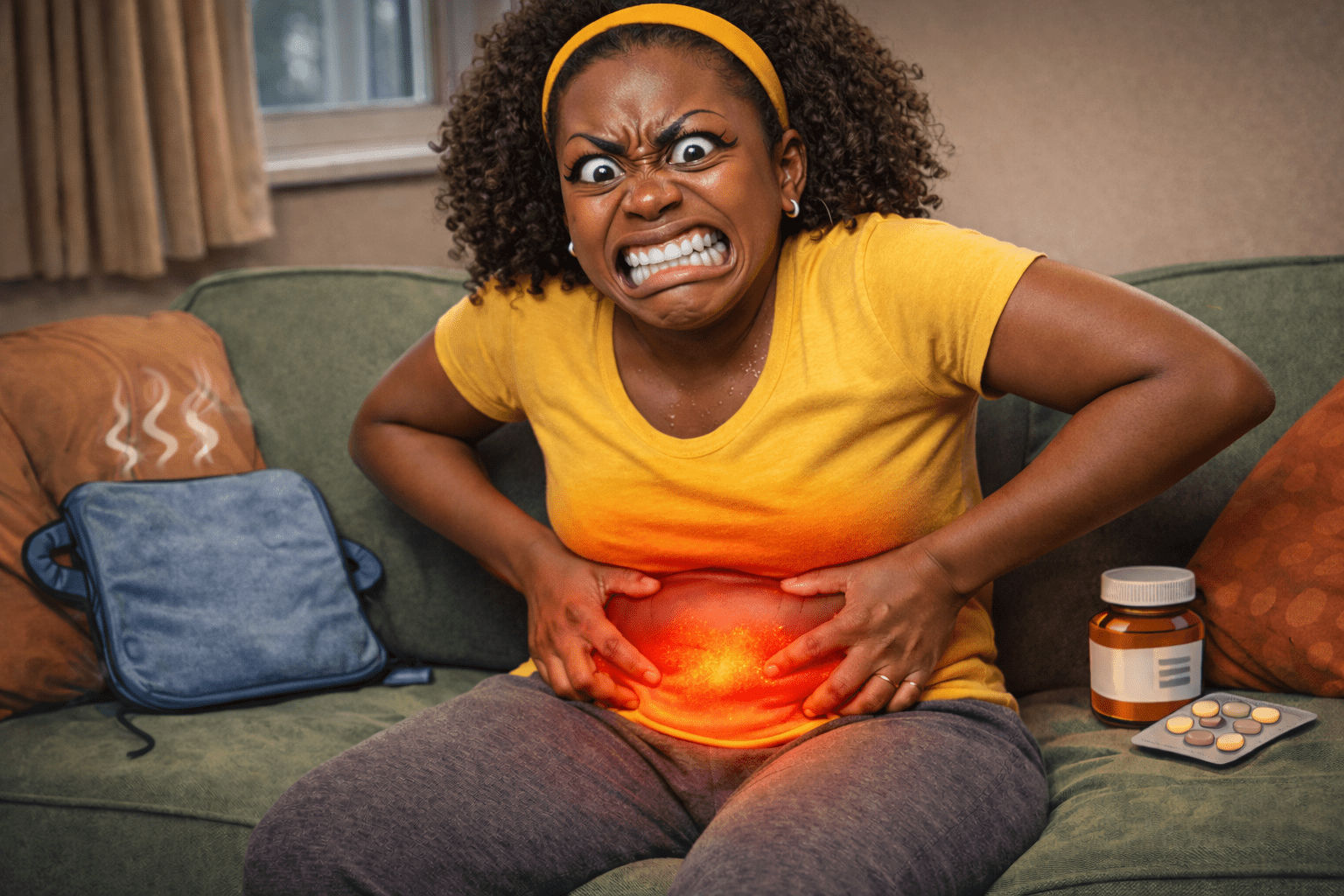
PID often develops when bacteria spread from the vagina or cervix into the uterus, fallopian tubes, or ovaries. Symptoms may include pelvic pain, unusual discharge, fever, or discomfort during movement.
Early medical treatment is important to prevent complications. While antibiotics are typically required to treat the infection, certain supportive strategies may help reduce discomfort during recovery.
3 Practical Strategies That May Help Reduce Discomfort
🔥 Use Gentle Heat
Applying a warm heating pad or compress to the lower abdomen may help relax pelvic muscles and reduce tension-related pain. Limit sessions to about 15–20 minutes with breaks between uses.
🛌 Prioritize Rest
Reducing physical strain can help the body focus energy on healing. Resting with pillows supporting the hips or lower back may help relieve pressure in the pelvic area.
💊 Follow Medical Treatment Carefully
PID usually requires antibiotics prescribed by a healthcare professional. Taking medication exactly as directed and completing the full course of treatment is important to fully address the infection.
If symptoms worsen or include fever, severe pain, or unusual discharge, seek medical care promptly.
If it Hurts we can help.
If pain has taken over your sleep, your mood, or your search history, come find your people.
Join the ItHurts Community
Disclaimer: Enjoy the "Ouch Files" for the laughs and the lessons, but treat us like a witty friend rather than a diagnostic tool. We aren't doctors, and this content is not medical advice. Pelvic Inflammatory Disease requires professional medical care and should always be evaluated by a qualified healthcare provider.
