

ItHurts Ouch Files: TENS Therapy Edition
Your Nerves Are Being Dramatic: How TENS Therapy Politely Tells Them to Shut Up
TENS (Transcutaneous Electrical Nerve Stimulation) therapy uses small electrical pulses delivered through the skin to help reduce pain signals traveling to the brain. This non-invasive technique is often used to manage muscle, joint, and nerve-related pain.
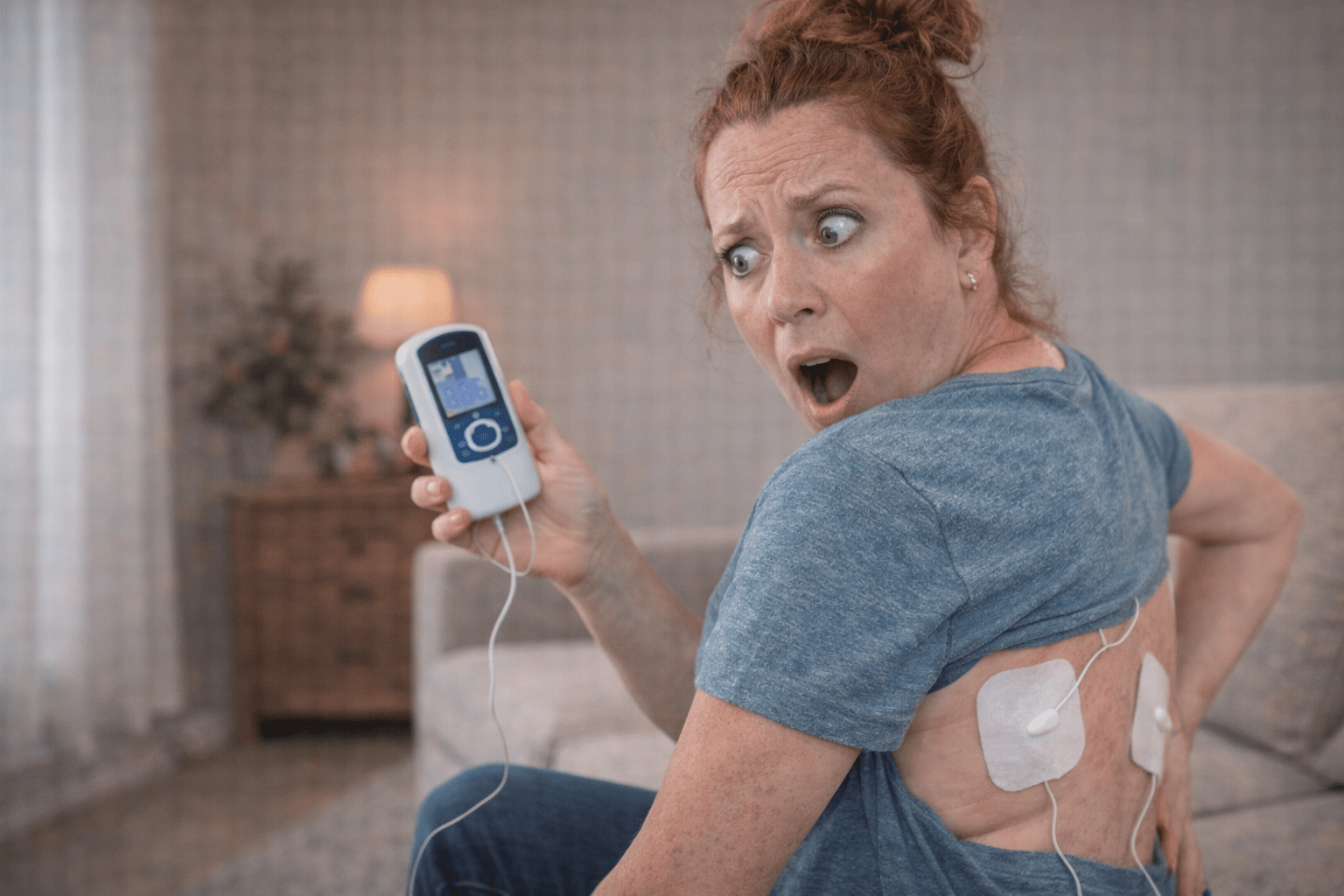
TENS devices send mild electrical signals through adhesive pads placed on the skin near painful areas. These signals can interfere with pain messages traveling along nerves and may stimulate the release of endorphins — the body’s natural pain-relieving chemicals.
TENS therapy is commonly used for back pain, neck pain, arthritis, muscle soreness, and nerve-related discomfort.
3 Practical Tips for Using TENS Therapy Effectively
⚡ Position Pads Carefully
Place electrodes around the painful area rather than directly on joints or bones. Proper placement helps target the nerves involved in the pain signal.
Place electrodes around the painful area rather than directly on joints or bones. Proper placement helps target the nerves involved in the pain signal.
🔌 Adjust Intensity Gradually
Start with a low intensity and slowly increase until you feel a strong but comfortable tingling sensation. The goal is stimulation, not discomfort.
Start with a low intensity and slowly increase until you feel a strong but comfortable tingling sensation. The goal is stimulation, not discomfort.
⏱️ Use Short, Consistent Sessions
Sessions typically last 20–30 minutes and may be used several times a day. Taking breaks between sessions helps prevent nerves from adapting to the stimulation.
Sessions typically last 20–30 minutes and may be used several times a day. Taking breaks between sessions helps prevent nerves from adapting to the stimulation.
The Honest Reality
TENS therapy does not cure the underlying cause of pain, but it can help manage symptoms and make daily activities more comfortable when used alongside other treatment approaches.
If it Hurts we can help.
Join a supportive community where people share real experiences and strategies for managing pain and improving everyday life.
Join the ItHurts Community
Disclaimer: Enjoy the "Ouch Files" for the laughs and the lessons, but treat us like a supportive friend rather than a diagnostic tool. We aren't doctors, and this content is not medical advice. Always consult a qualified healthcare professional for diagnosis and treatment of persistent symptoms.
