

ItHurts Ouch Files: Hamstring Injury Edition
Your Hamstring Didn’t Betray You — You Betrayed It
A hamstring strain occurs when the muscles at the back of the thigh are overstretched or torn. This can lead to pain, tightness, and difficulty walking, bending, or sitting comfortably.
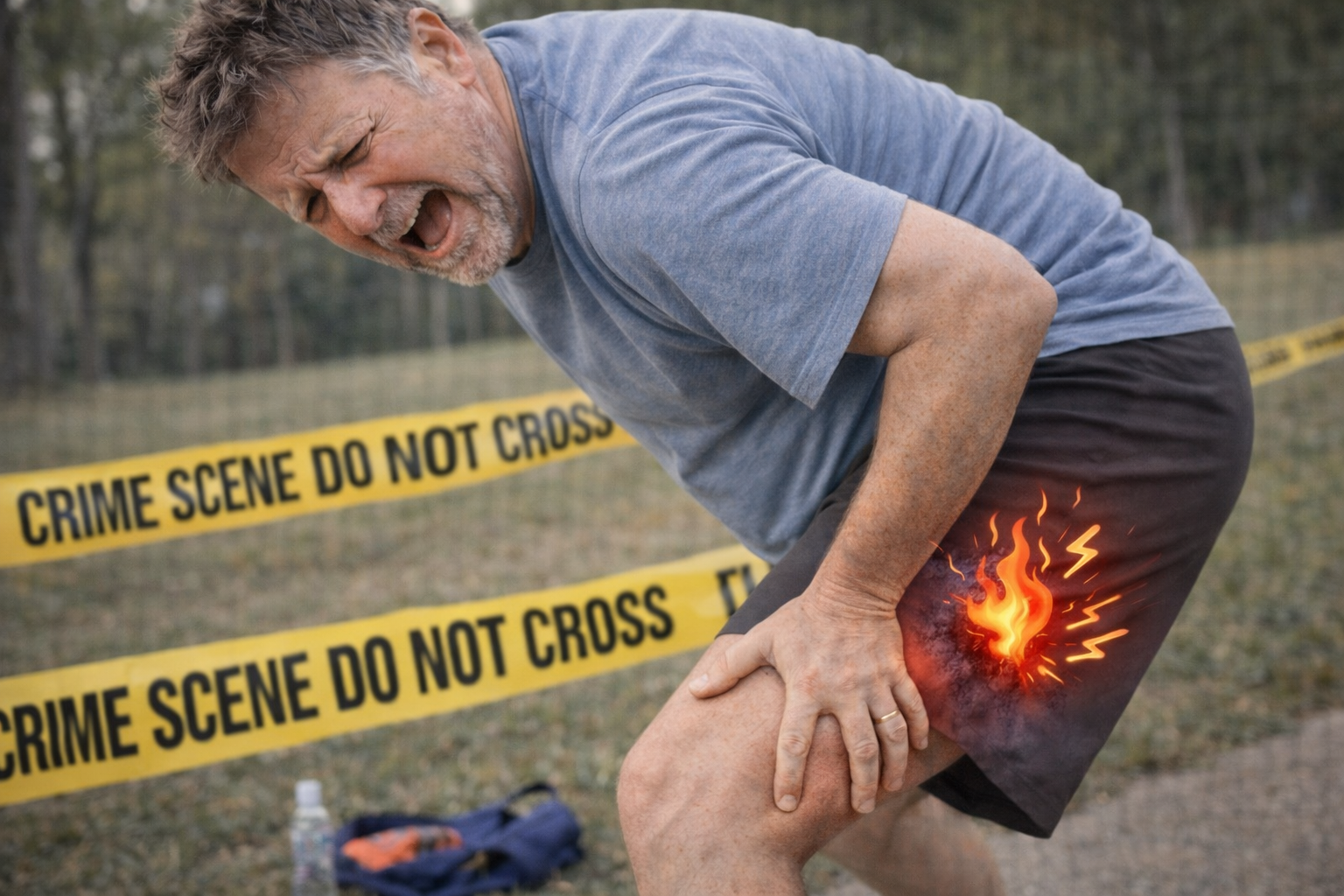
The hamstring muscles help control hip movement and knee bending during walking, running, and lifting. Sudden movements, overstretching, or muscle weakness can cause these muscles to strain.
Most hamstring strains improve with rest, controlled movement, and gradual strengthening as the tissue heals.
3 Practical Tips to Support Hamstring Strain Recovery
🧊 Manage Early Inflammation
During the first few days after injury, rest and ice therapy may help reduce swelling and discomfort. Apply ice for 15–20 minutes several times a day while avoiding activities that aggravate pain.
During the first few days after injury, rest and ice therapy may help reduce swelling and discomfort. Apply ice for 15–20 minutes several times a day while avoiding activities that aggravate pain.
🏋️ Gradually Restore Strength
As pain decreases, gentle strengthening exercises such as glute bridges and controlled hamstring activation can help rebuild muscle stability and prevent reinjury.
As pain decreases, gentle strengthening exercises such as glute bridges and controlled hamstring activation can help rebuild muscle stability and prevent reinjury.
🪑 Improve Movement and Posture
Long periods of sitting can tighten hamstrings and weaken supporting muscles. Taking regular standing breaks and maintaining healthy posture may help reduce strain on the back of the legs.
Long periods of sitting can tighten hamstrings and weaken supporting muscles. Taking regular standing breaks and maintaining healthy posture may help reduce strain on the back of the legs.
The Recovery Reality
Hamstring strains often improve within several weeks when treated with proper care and progressive rehabilitation. Returning to activity gradually helps prevent repeated injury and supports long-term muscle health.
If it Hurts we can help.
Join a supportive community where people share real experiences, recovery strategies, and encouragement while managing pain.
Join the ItHurts Community
Disclaimer: Enjoy the "Ouch Files" for the laughs and the lessons, but treat us like a supportive friend rather than a diagnostic tool. We aren't doctors, and this content is not medical advice. Always consult a qualified healthcare professional for diagnosis and treatment of persistent symptoms.
