

When Your Chest Picks a Fight: Breast Cancer, Pain, and the Audacity of the Human Body
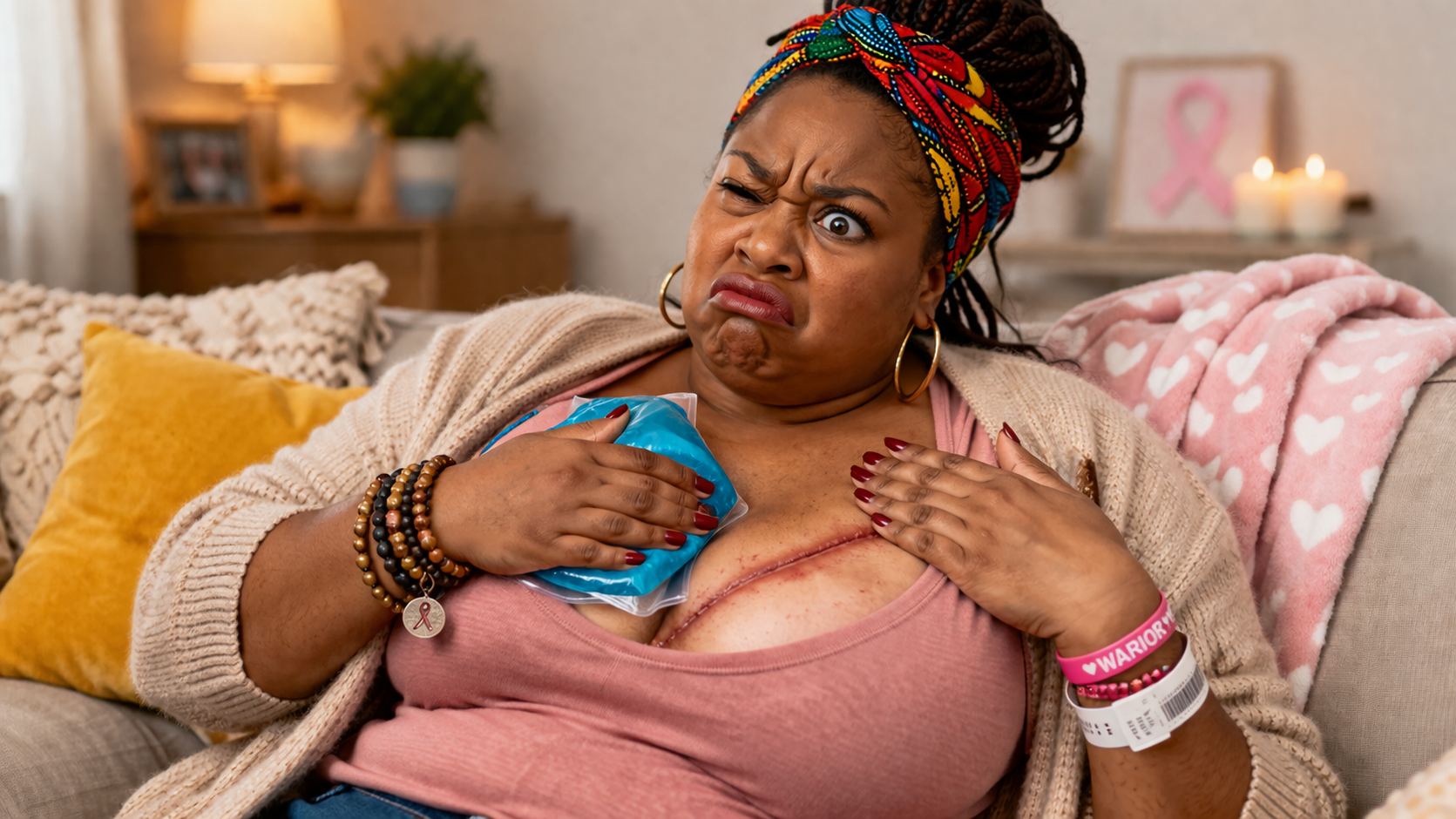
Breast cancer doesn’t arrive quietly. It disrupts everything—your body, your routine, your emotions—and then expects you to carry on like nothing changed.
The pain isn’t just physical. It’s layered—tenderness, nerve sensations, stiffness, and the emotional weight that comes with it. And yes, it can be frustrating, overwhelming, and exhausting.
But pain isn’t something you simply endure. It’s something you learn to manage—with strategy, support, and the right tools.
3 Practical Ways to Manage the Pain
Wear soft, supportive bras or post-treatment garments and avoid underwires. Use cold packs (with a barrier) to help reduce inflammation and discomfort.
Incorporate light movements like arm circles, shoulder rolls, and short walks. Gentle activity helps prevent stiffness and supports recovery.
If you experience burning or sharp sensations, consult a professional for nerve-specific care. Proper management can prevent long-term discomfort.
The Recovery Reality
Pain doesn’t always disappear when treatment ends—and that doesn’t mean you’re failing. It means your body has been through something significant and needs time and care.
You’re not complaining. You’re advocating for your quality of life—and that matters.
If it Hurts we can help.
Join a supportive community where people share real experiences, coping strategies, and encouragement while navigating pain and recovery.
Join the ItHurts Community